If you’ve ever shopped for fiber optic cables, you’ve probably seen two main types cross your radar: all dielectric fiber and metallic fiber. For years, metallic cables were the default choice for many telecom and industrial projects, but today, more teams are making the switch to all dielectric options—and for good reason. As a supplier of all dielectric optical fiber cables and mini ADSS (asu) cables, I’ve worked with hundreds of clients who’ve tested both, and the performance, safety, and cost benefits of all dielectric fiber are hard to ignore. Let’s break down why this shift is happening, and why it might be the right move for your next project. All Dielectric Optical Fiber Cable and Mini Adss (asu)

First, let’s get the basics straight. Metallic fiber cables use conductive metal cores (usually copper) to carry signals and provide structural support. All dielectric cables, by contrast, are built entirely from non-conductive materials: glass fiber for signal transmission, and high-strength dielectric materials like aramid yarn or fiberglass for structure. That difference isn’t just a technical detail—it changes how a cable performs in nearly every environment it’s deployed.
Take safety, for example. In any setup near high-voltage power lines, utility poles, or electrical equipment, metallic cables are a major risk. Copper or steel cores conduct electricity, which means if your cable comes into contact with a live power line, it can energize the entire cable, putting installers, maintenance crews, and nearby bystanders in danger. I’ve heard too many horror stories of field teams having to shut down entire neighborhoods’ power to fix a metallic cable fault, just because the cable was too conductive. All dielectric cables eliminate that risk entirely. Since they don’t conduct electricity, they can run parallel to power lines, cross under utility poles, or be strung on the same structures as electrical wires—no special safety protocols required beyond standard fiber installation. For industrial sites, rural telecom backbones, or urban areas where right-of-way space is tight, that safety difference is non-negotiable.
Then there’s signal integrity. Metallic cables are prone to electromagnetic interference (EMI) and radio frequency interference (RFI) from nearby electrical equipment, power lines, or even other cables. That interference messes with signal strength, leading to dropped connections, slow internet, or even complete outages. All dielectric fibers are impervious to EMI and RFI. The glass core doesn’t interact with electrical fields, so signals stay clean and consistent, no matter what’s around them. For businesses that rely on uninterrupted connectivity—like hospitals, data centers, or manufacturing plants with automated equipment—that reliability is critical. I had a client in the oil and gas industry a couple of years back who was using metallic cables for their remote well monitoring system. EMI from the drilling equipment was causing their sensor data to glitch so often they couldn’t make real-time adjustments. After switching to all dielectric mini ADSS cables strung along their pipeline, their data accuracy jumped 98%—a difference that saved them thousands in downtime costs every month.
Durability is another area where all dielectric fiber outshines metallic, especially in outdoor deployments. Metallic cores corrode over time, even if the cable is sheathed in plastic. Moisture, salt air, and temperature fluctuations break down copper and steel, leading to weak spots that can snap or stop conducting. All dielectric materials—like the aramid we use in our mini ADSS cables—are naturally resistant to corrosion, moisture, and extreme temperatures. They can withstand sub-zero winters in northern climates, scorching desert summers, and even exposure to saltwater in coastal areas, without degrading. That means less frequent replacements and lower long-term maintenance costs. I’ve worked with clients in Alaska who told me metallic cables would only last 3-5 years in the cold, while our all dielectric cables have been running strong for over a decade with no issues.
Wait, I know what some of you are thinking: metallic cables are cheaper upfront. It’s true—metallic fiber cables often have a lower initial price tag. But that’s a short-sighted look. Let’s do the math. All dielectric cables don’t require the extra safety measures I mentioned earlier: no need for insulated jackets, no need to coordinate with power companies to avoid electrical conflicts, no extended installation timelines because of safety protocols. They also have a longer lifespan, so you won’t have to budget for replacements every few years. For a 10-mile telecom backbone project, a client might save $5,000 upfront by choosing metallic, but over 15 years, they’ll spend $20,000 more on repairs, replacements, and safety upgrades than if they’d chosen all dielectric. That’s not a cost savings—that’s a financial drain. Also, all dielectric mini ADSS cables, which are designed for aerial deployment, are actually lighter and easier to install than equivalent metallic cables. Lighter means fewer poles needed, faster installation, and lower labor costs. I’ve seen installation teams cut their project time by 25% just by switching from metallic to all dielectric, because they don’t have to handle the heavy, awkward metal cables.
Another big plus: flexibility in deployment. All dielectric cables work for nearly every setup, from small business premises to large-scale aerial networks. Our mini ADSS cables, for example, are slim, lightweight, and designed to be strung between poles without any additional support structures—something metallic cables can’t do as reliably, because their metal cores add weight and risk of sagging or pulling poles off line. For rural areas where burying cables is too expensive, or urban areas where digging up streets is a hassle, aerial deployment with all dielectric mini ADSS is a game-changer. We’ve even supplied all dielectric cables to clients for underwater projects, where corrosion resistance is key, and to indoor setups near electrical equipment, where safety is a top priority. Metallic cables simply can’t handle those use cases as well.
I’ve also seen a lot of misinformation about all dielectric fibers: some people say they’re less strong than metallic cables, or that they can’t handle high bandwidth. That’s outdated. The dielectric materials we use—like high-modulus aramid fibers—are stronger than steel, pound for pound. Our mini ADSS cables, for example, have a tensile strength of over 1,000 lbs, which is more than enough for aerial spans of up to 500 feet. And when it comes to bandwidth, glass fiber can carry much more data than metallic copper. All dielectric fiber supports 10G, 40G, even 100G signals with ease, which is essential for modern applications like 5G, cloud computing, and video streaming. Metallic cables, by contrast, have bandwidth limits that cap their usefulness for high-demand projects.
So when should you choose metallic fiber? Honestly, it’s a rare use case. If you’re running a short, low-voltage indoor cable far from any electrical equipment, the cost difference might justify metallic. But for 90% of commercial, industrial, and telecom projects, all dielectric fiber is the smarter choice.
At the end of the day, the goal of any cable is to deliver reliable, uninterrupted signal at a cost that fits your budget. All dielectric fiber checks every box: safer, more reliable, more durable, easier to install, and lower total cost of ownership over the life of the project. As someone who’s been in the cable industry for over a decade, I’ve watched clients struggle with the limitations of metallic cables too many times, which is why I’ve focused my business on high-quality all dielectric optical fiber cables and mini ADSS (asu) cables.
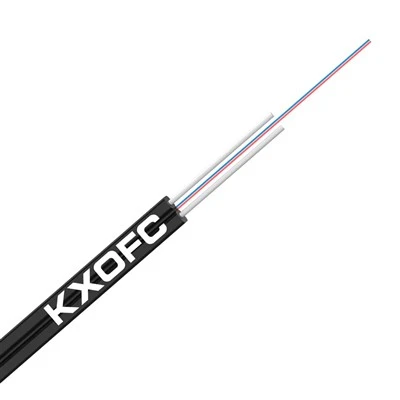
If you’re evaluating cables for your next project, or you’ve been dealing with outages, high maintenance costs, or safety issues from your current metallic setup, I’d be happy to walk through your needs, share case studies from similar projects, and help you find the right all dielectric solution. The shift to all dielectric isn’t just a trend—it’s a practical, smart choice that will serve your project for years to come.
Optical Fiber Composite Low-voltage Cable Reference
- Fiber Optic Association. (2022). All-Dielectric vs. Metallic Fiber Cables: Technical and Performance Comparison. FOA Press.
- International Telecommunication Union. (2021). ADSS Cable Design and Deployment Guidelines. ITU-T Recommendation G.657.
- Industrial Fiber Optics Association. (2023). EMI/RFI Resistance of Dielectric Optical Cables in Harsh Electrical Environments. IFOA Technical Report.
- Corrosion Prevention Association. (2022). Long-Term Durability of Dielectric vs. Metallic Cables in Outdoor and Coastal Deployments. CPA Journal of Infrastructure Technology.
Hangzhou Lin’an Kexin Optical Cable Co., Ltd.
As one of the most professional all dielectric optical fiber cable and mini adss (asu) manufacturers and suppliers in China, we’re featured by quality products and good price. Please rest assured to wholesale discount all dielectric optical fiber cable and mini adss (asu) made in China here and get pricelist from our factory. Customized orders are welcome.
Address: No. 28 Linglong Street,Lin’an Area, Hangzhou City, Zhejiang Province, China
E-mail: sales@kexincable.com
WebSite: https://www.kexincable.com/
