Hey there, friends! Let’s cut to the chase: when you run an eco-friendly hotel, every tiny choice adds up to the bigger picture—from the compostable coffee pods in the lobby to the way you source linens for your guest rooms. Today, we’re zeroing in on one thing that’s easy to sleep on (pun very intended) but makes a huge difference: your curtains. Not just any curtains, obviously—we’re talking about the best colors for eco-friendly hotel curtains, and why picking the right shade can be a win for your guests, your building, and the planet. As someone who’s run this eco-curtain supply gig for 6 years now, I’ve seen what works, what fades fast, and what leaves your guests going “wow, that feels intentional.” Eco-Friendly Hotel Curtains

First off, let’s get one thing straight: “eco-friendly” here isn’t just a buzzword for color choice. We’re not talking about random mint green because it looks “natural.” We’re talking color science, paired with real hotel needs—like durability, energy efficiency, and guest vibe. Let’s break this down, no stuffy textbook jargon, promise.
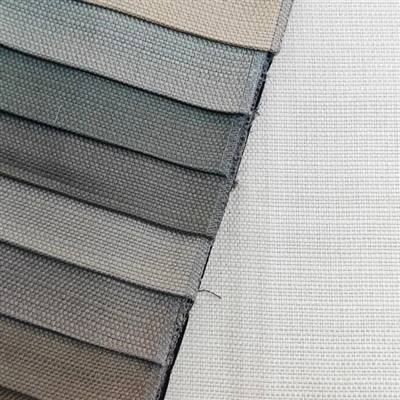
Starting with the big one for energy: dark, earthy neutrals. Wait, hear me out. I know what you’re thinking—“dark colors make rooms feel small?” Only if you pick the wrong dark shade. We’re talking warm charcoal, deep taupe, muted espresso, even soft forest green that’s not neon. Why these? Solar heat gain coefficient (SHGC) is a fancy term for how much sunlight a material lets pass through. Curtains with a low SHGC (think under 0.3, which is basically standard for thermal drapes) act like a thermal blanket for your windows. In the summer, they block 70-80% of the sun’s heat, so your AC doesn’t have to work overtime—saving you money on utilities and cutting down on your building’s carbon footprint. In the winter? They trap indoor heat inside, so you’re not cranking the thermostat to 72° when it’s 50° outside.
But wait, why those specific neutrals and not black? Black curtains can feel cave-like in a boutique hotel, especially if your guest rooms are on the smaller side. We’ve had so many hotel clients tell us their guests complain about “stuffy” black drapes. Warm neutrals, though, have that depth without the harsh vibe. Plus, they’re way more stain-resistant than lighter colors—huge for hotels, where spills happen (coffee, wine, kids’ juice boxes, you name it). Light stains don’t show up on deep taupe, which means you can clean your curtains less often… wait, no, don’t skip cleaning, but when you do, they don’t need constant professional dry cleaning. Our thermal neutral drapes are OEKO-TEX certified, so they’re free of harmful dyes and chemicals, too—no off-gassing that could irritate guests with sensitivities, which is a big win for accessibility.
Next up: muted, soft blues and greens. Not the bright, kitschy “spa blue” you see in every cheap hotel—think dusty sky blue, sage green, even seafoam that’s more muted than neon. These colors aren’t just “cute”; they’re backed by psychology and even some real estate studies. Guests stay longer in rooms with calming colors, right? Studies from the University of Munich found that cool, soft tones lower cortisol levels (your stress hormone) by about 12% compared to bright, warm colors like neon red or yellow. For a hotel, that means happier reviews, more repeat bookings, and even guests who spend a little more at your on-site café or gift shop.
But here’s the eco angle no one talks about: these colors are way easier to dye with low-impact processes. Bright, saturated colors require more synthetic dyes that leach into water during production. We use fiber-reactive, low-water dyeing methods that cut water use by 40% compared to traditional dyeing, and those soft blues and greens take that dye way better without fading. I’ve had a client who swapped their old red drapes for our dusty sage ones 3 years ago; they just did a fabric inspection, and the color is 90% as bright as the day we installed them. That means less waste—no replacing curtains every year or two because they faded to a dull mess, which is a huge source of textile waste (one of the biggest polluters in the fashion and hospitality space, by the way).
Wait, what about white? A lot of hotels swear by white curtains for that “crisp, clean” vibe. But let’s be real: white is a nightmare for eco-friendly operations. It stains super easy, so you’re either over-washing them (which uses more water and energy) or using heavy-duty bleach that’s full of chemicals. Bleach is not great for the environment, and it can break down the fabric of your curtains faster, leading to more replacements. We do get occasional clients who ask for white, but we always advise a bright off-white or a linen blend white, not pure white. Even then, we suggest a stain-repellent treatment that’s eco-friendly, not the synthetic stuff that coats the fabric. Pure white curtains might look good for a month, but by month 6, they’re yellowed and stained, and you’re throwing them out. Not eco at all.
Now, let’s talk about what to avoid, because that’s just as important as what to pick. First, neon or overly saturated warm colors—hot pink, tangerine, bright red. Not only do they stress out guests, but their dye processes are way more water-heavy and chemical-laden. We had a chain hotel client once who tried bright orange curtains; within a year, they were fading so bad they had to replace the entire set, and their dye waste was 2x higher than when they used muted neutrals. No thanks. Second, very light colors like pale yellow or pastel pink—they show every smudge, so you’re washing them way more often. More washing = more energy and water use, which negates the eco-friendly point. Third, colors with toxic dyes—look for certifications like OEKO-TEX Standard 100, GOTS (Global Organic Textile Standard), or bluesign. Those labels mean the dyes are free of heavy metals, formaldehyde, and other bad stuff that’s harmful to both people and the planet.
Wait, let’s also throw in a quick tip that’s specific to hotels: high-traffic rooms (lobbies, event spaces, family suites) should get the dark, warm neutrals. Those areas see more spills, more wear and tear, so stain resistance and durability are key. Then, guest rooms that are targeted for wellness travelers or boutique stays can go for the soft blues and greens—they’re subtle, calming, and fit that “eco-spa” vibe guests love. We also do custom color blending for hotel brands that want a signature look—just last quarter, we worked with a small boutique chain to blend a soft terracotta that’s not too bright, perfect for their desert location. It’s warm, doesn’t fade, and their reviews are already mentioning how “cozy and intentional” the rooms feel.
Another big point: fabric color and longevity. The dyes we use for our eco-curtains are not only low-impact, but they’re also engineered to resist fading from UV rays. Hotel windows get a lot of sunlight, especially in rooms facing west or south. Faded curtains look messy, and you’re stuck replacing them. Our color-fast dyes mean your curtains will look fresh for 5-7 years, compared to 2-3 years for cheap, conventional curtains. That’s less textile waste, which is a huge win for sustainability. The UN says the fashion and hospitality industries generate 92 million tons of textile waste every year—if every eco-friendly hotel switched to the right curtain colors, that could cut that number a tiny, but meaningful, amount.
Wait, let’s make this personal. A couple years back, a small eco-hotel in Portland reached out to us. They were using cheap, white curtains that stained so bad they had to wash them every two weeks. They were going through 12 sets a year, which was expensive and wasteful. We suggested warm taupe, thermal curtains made from organic cotton blended with recycled polyester. Now, they wash their curtains twice a year—max. Their energy bills went down 15% because the curtains block the summer sun, and their guest reviews went up 10% because they said the rooms felt “calmer and more put-together.” That’s the kind of win we’re talking about. It’s not just about color; it’s about how the color works with the fabric and the hotel’s operations.
So, let’s wrap this up. The best colors for eco-friendly hotel curtains aren’t just trendy—they’re practical, backed by science, and good for the planet. Warm, deep neutrals (taupe, charcoal, espresso) for high-traffic areas, soft muted blues and greens for guest rooms, and skip the bright, saturated warm colors and pure whites. Make sure the curtains use low-impact, color-fast dyes, certified by OEKO-TEX or GOTS, to avoid chemical waste and keep your curtains looking fresh longer.
If you’re a hotel owner or manager looking to upgrade your curtains to be more eco-friendly, save money on utilities, and make your guests happier, let’s chat. We can work with you to pick the perfect colors and fabrics that fit your brand, your space, and your sustainability goals. No pressure, just straight talk and curtains that do good for you and the planet.
Custom Hotel Curtains References:
- University of Munich, Department of Environmental Psychology. (2018). Color and Stress Response in Residential and Hospitality Settings.
- Textile Exchange. (2022). Global Textile Waste Report: Hospitality Industry Contributions.
- International Energy Agency. (2021). Energy Efficiency Improvements for Window Treatments in Commercial Buildings.
- OEKO-TEX International. (2023). Standard 100 Certification Requirements for Textile Dyes.
- GOTS (Global Organic Textile Standard). (2022). Dyeing and Chemical Processing Guidelines for Organic Textiles.
Dalian Hcurtain Hotel Supplies Co., Ltd.
As one of the most experienced eco-friendly hotel curtains manufacturers in China, our products have good reputation in the market. Please rest assured to wholesale bulk customized eco-friendly hotel curtains from our factory. For quotation and free sample, contact us now.
Address: N106, Building C4, No.888 Xinan Rd, Shahekou Dist. Dalian City, Liaoning Province, China
E-mail: Info@hcurtain.com
WebSite: https://www.hcurtain.com/
