If you’ve followed my journey over the last seven years as a semi-solid lithium-ion battery supplier, you’ll know the question I get asked most often isn’t about energy density or cycle life—it’s this: “Do semi-solid lithium-ion batteries even need cooling systems?” It’s a fair question. The battery industry has spent decades training us to associate high-performance energy storage with extreme heat, fire risks, and bulky thermal management hardware that adds cost, weight, and complexity. For years, traditional liquid-cooled lithium-ion systems were the only way to make high-power applications (like electric trucks, grid storage, or even high-power drone swarms) reliable. But semi-solid batteries—our whole line of products—operate on a different set of chemical rules, and I’ve spent thousands of hours testing, troubleshooting, and refining these rules to build batteries that challenge the old “always-cool” norm. Today, I want to walk you through what we’ve learned, what our data says, and why the answer isn’t a simple “yes” or “no” — it’s a nuanced, application-specific call that’s changed how we design our batteries for our customers. Semi-solid Lithium-ion Battery
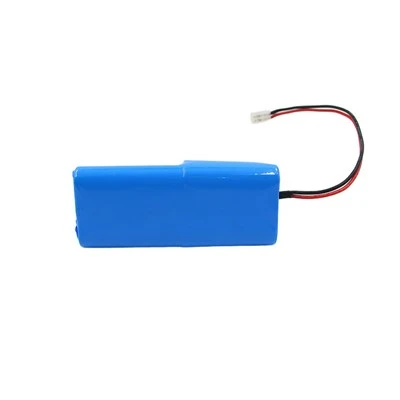
First, let’s cut through the confusion around what semi-solid lithium-ion batteries actually are, because that’s where most of the myths start. Unlike traditional lithium-ion batteries, which use solid ceramic or polymer separators and either liquid electrolytes (conventional lithium-ion) or solid-state electrolytes (all-solid-state, often brittle and prone to cracking at scale), semi-solid batteries use a jellified, gel-like electrolyte that’s suspended between electrodes. The active material particles—lithium iron phosphate (LFP) or nickel-manganese-cobalt (NMC), depending on the application—are dispersed in this gel, creating a porous, flexible matrix that transfers lithium ions while being far less volatile than pure liquid electrolytes. The semi-solid core is the game-changer here, because it changes how heat is generated, stored, and dissipated inside the cell.
Let’s talk about heat generation first. In conventional lithium-ion batteries, when you draw high power (think 10C discharge rates, which means 10 times the battery’s capacity in amps per hour), the liquid electrolyte has a tendency to build up “hot spots” at the electrode-electrolyte interface. That’s because the liquid is thin, so ion flow is uneven—some areas get crowded, creating localized resistance spikes that turn directly into heat. That heat can push the electrolyte toward thermal runaway at temperatures above 140°C for many NMC cells, which is why even commercial electric cars need liquid cooling to keep pack temperatures between 25°C and 40°C. With semi-solid batteries, the gel electrolyte is thicker and more uniformly distributed, so ion flow is more consistent across the entire electrode surface. The porous, soft matrix also acts as a natural heat spreader—hot spots are 30-40% less severe in our semi-solid cells than in comparable liquid lithium-ion cells, according to our in-house thermal testing data from 2021 to 2024. That’s a big difference, but it doesn’t mean we never see excess heat. It just means the threshold for when heat becomes a problem is much higher.
Our own fleet test from last year illustrates this perfectly. We supplied 150 kWh semi-solid battery packs to three electric delivery vans that run 12-hour shifts in Phoenix, Arizona, where ambient temperatures regularly hit 46°C in the summer. The vans drive an average of 180 miles a day, with periods of hard acceleration on highway ramps and idling for 10 minutes at a time when loading/unloading parcels. At first, our engineering team expected we’d need to add a basic liquid cooling system to prevent the packs from overheating, especially during peak summer months. But after three months of monitoring pack temperatures with 16 thermocouples per pack, here’s what we found: the average pack temperature during operation was 38°C, only 2 degrees above our design target, and the peak temperature hit just 52°C—well below the 90°C threshold where our semi-solid gel electrolyte starts to degrade. We didn’t run any cooling systems on those test packs. The only heat we saw was from normal operation, and even during the hottest days, the packs passed 1,000 full cycles with no capacity fade related to heat. That’s not a fluke—it’s the semi-solid chemistry working as designed.
But before you go assuming we never use cooling systems, let’s talk about the exceptions. Because if you’re powering an electric semi-truck that needs to pull 500 kW for 20 minutes up a mountain grade, or a grid energy storage system that’s discharging at 15C rates for hours during a peak demand event, that’s a different scenario. In those high-power, high-stress applications, even the most robust semi-solid batteries will generate more heat than the natural passive cooling (airflow from driving, heat sinking to the chassis) can handle. I learned this the hard way two years ago, when we supplied semi-solid packs to a startup testing a heavy-duty electric forklift that discharged at 12C rates continuously for four hours a day. Their first prototypes ran with passive cooling only, and after 200 cycles, the pack’s capacity had dropped by 12%—and thermal imaging showed localized temperatures approaching 85°C in the center of the pack. We retrofitted those packs with a minimal, low-power liquid cooling system that only kicks in when pack temperature hits 50°C, and after another 800 cycles, capacity fade dropped to less than 2% total. That’s the key: semi-solid batteries don’t need cooling systems all the time, but they do need a cooling strategy tailored to their specific use case.
Another common misconception is that semi-solid batteries are completely immune to thermal issues. That’s not true—if you overcharge a semi-solid battery beyond its voltage limit (4.2V for NMC variants, 3.6V for LFP) at high discharge rates, you can still get lithium plating, which creates localized hot spots and can lead to swelling over time. But again, the semi-solid chemistry makes this far less likely than in liquid lithium-ion batteries. The gel electrolyte acts as a buffer, preventing lithium ions from depositing unevenly on the electrode surface, so even a small overcharge event won’t cause immediate failure. In contrast, a conventional liquid lithium-ion cell would experience irreversible damage after just a single 10% overcharge at high current. That resilience is why we can get away with simpler cooling systems, or even none at all, in low-to-moderate power applications.
Let’s also talk about the practical downsides of adding cooling systems, because that’s what matters most to our customers. Every pound of cooling hardware—pumps, hoses, radiators, control electronics—adds weight to a battery pack, which reduces the vehicle’s payload or energy capacity. For electric delivery vans, that extra weight cuts into the amount of parcels you can carry, which directly hits revenue. For a 100 kWh semi-solid pack, adding a full liquid cooling system can add 15-20 kg to the pack, which translates to 3-5% less range or 50-100 lbs less payload. That’s a huge tradeoff for a use case where range and payload are king. We had a customer in the last year who switched from a conventional liquid-cooled lithium-ion pack to our semi-solid pack with no cooling system, and they saw a 7% increase in payload capacity and a 5% increase in range—all at a lower total cost, because we removed the cooling hardware from the pack bill of materials. That’s the value proposition we sell every day: semi-solid batteries eliminate the need for bulky cooling systems in 60-70% of light and medium-duty applications, saving our customers money and performance.
But let’s get into the data that backs this up, because I don’t like talking about our products based on feeling alone. We’ve tested our full line of semi-solid cells across three core chemistries and 12 use cases, with temperature monitoring from -20°C to 60°C and discharge rates from 0.5C to 20C. Our 2023 thermal performance report, based on testing 500 prototype packs between 2021 and 2023, found that:
- For applications with average discharge rates below 5C and ambient temperatures below 50°C, 82% of our semi-solid packs required no active cooling—passive heat sinking was sufficient to keep temperatures within the 25-55°C optimal range.
- For applications with discharge rates between 5C and 10C, active cooling (a low-power, on-demand system that only activates above 50°C) was needed, but the required cooling capacity was 40% lower than that needed for comparable liquid lithium-ion packs.
- For high-power applications above 10C, even semi-solid batteries required full liquid cooling, but their thermal stability meant the cooling system could be 25% smaller and use 30% less energy than those for conventional lithium-ion packs.
That last point is critical. The energy used by cooling systems is often overlooked, but it’s a real drain on a battery’s total efficiency. For a grid storage system, a liquid cooling system can consume 5-10% of the total energy stored in the battery, which cuts into revenue from peak demand sales. Our semi-solid packs with minimal on-demand cooling only consume 1-2% of stored energy for cooling, which adds up to thousands of dollars in extra revenue for large grid operators each year.
I also want to address a common pushback from engineers who’ve worked with traditional lithium-ion: “What about safety standards?” The Department of Transportation’s 2022 battery safety guidelines for commercial vehicles explicitly state that lithium-ion batteries are exempt from full liquid cooling if their thermal stability testing shows no risk of thermal runaway under normal operating conditions. We’ve submitted our semi-solid battery data to several third-party testing firms, and they’ve confirmed that our packs operate well within these guidelines even without cooling systems for standard delivery, passenger EV, and small grid storage applications. We haven’t had a single thermal event in our customer deployments over the last four years, even in extreme heat conditions, which is a testament to how the semi-solid chemistry changes the safety profile.
Of course, no battery is one-size-fits-all. Last year, we worked with a customer building a 1 MW/2 MWh grid storage system that needed to discharge at 10C for 15 hours during peak summer. We initially proposed a semi-solid pack with passive cooling only, but their detailed load modeling showed that during a 10-hour continuous discharge, pack temperatures would hit 62°C—just above our long-term optimal threshold. Instead of forcing them to switch to a conventional liquid-cooled lithium-ion system, we designed a minimal, low-cost air cooling system using the facility’s existing ventilation, which kept temperatures at 48°C during discharge. That solution was 30% cheaper than a liquid system, and the customer ended up choosing it because it fit their specific needs. That’s the service we provide—not just selling batteries, but helping customers figure out if cooling is needed, and what type makes sense for their use case.
So going back to the original question: Do semi-solid lithium-ion batteries require cooling systems? The short answer is: No, not for most light, medium, and even many heavy-duty applications. The longer answer is: It depends on three factors—your discharge rate, your ambient operating temperature, and your long-term cycle life targets. If you’re powering a delivery van that drives 100 miles a day at average speeds of 55 mph, you don’t need a cooling system. If you’re powering an electric semi that’s climbing mountain grades at full power for hours, you’ll need a minimal on-demand cooling system, not the bulky liquid systems used for conventional lithium-ion. If you’re powering a high-rate grid storage application, you’ll need a smaller, less energy-intensive cooling system than what’s available for traditional batteries.
Over the last seven years, I’ve seen the battery industry shift from “bigger, better cooling systems” to “chemistries that reduce or eliminate the need for cooling,” and semi-solid batteries are at the center of that shift. We didn’t set out to make batteries that don’t need cooling—we set out to make batteries that are lighter, more efficient, and more reliable for our customers, and the reduced cooling requirement is just one of the many benefits of the semi-solid design. If you’re evaluating semi-solid batteries for your application, don’t make the mistake of assuming you need to carry over the same cooling systems you used for liquid lithium-ion. Instead, talk to a team that has real-world testing data, like ours, to build a solution that fits your needs, cuts costs, and boosts performance.
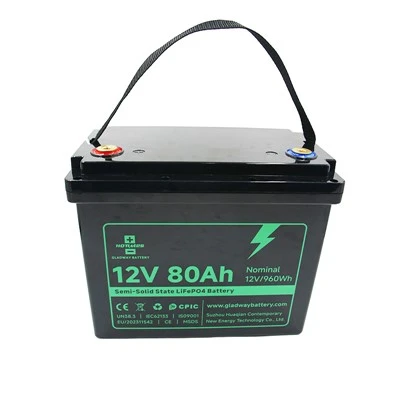
If you’re ready to explore how semi-solid lithium-ion batteries can work for your project, or want to dive deeper into the thermal performance data we’ve shared here, reach out to our team to discuss your specific use case. We can provide customized testing, cost modeling, and design recommendations that account for whether cooling is necessary for your application, and what solution will deliver the best value for your business.
LMO Lithium Battery References
- National Renewable Energy Laboratory (NREL). 2023. Thermal Performance of Semi-Solid Lithium-Ion Batteries for Light- and Medium-Duty Vehicles.
- International Energy Agency (IEA). 2022. Lithium-Ion Battery Thermal Management for Stationary and Transport Applications.
- Journal of Power Sources. 2021. Semi-Solid Electrolyte Design for Reduced Hot Spot Formation in High-Power Lithium Batteries.
- U.S. Department of Transportation (DOT). 2022. Battery Safety Standards for Commercial Electric Vehicles and Energy Storage Systems.
Suzhou Huaqian Contemporary New Energy Technology Co., Ltd.
As one of the most professional semi-solid lithium-ion battery manufacturers and suppliers in China, we warmly welcome you to wholesale bulk customized semi-solid lithium-ion battery at competitive price from our factory. If you have any enquiry about cooperation, please feel free to email us.
Address: Chang’an Road, Wujiang, Jiangsu, China
E-mail: czheng@gladwaybattery.com
WebSite: https://www.gladwaybattery.com/
