Hey guys, let’s cut to the chase for a sec: if you’ve ever stood at the base of a mountain, staring at your gear bag wondering if you grabbed the right helmet, this post is for you. As someone who’s been in the hybrid ski helmet game long enough to test every new model that drops every season—plus I run a team that makes these bad boys—I hear all the same questions over and over. The big one lately? Are hybrid ski helmets actually worth it for all-mountain skiing? Like, the kind of all-mountain that’s not just groomers, but also tree runs, fresh powder, and random crud you didn’t see under last week’s snow? Spoiler: If you’ve been sleeping on hybrid helmets, you might be missing out on something way better than the old “pick either hard or soft” hassle. Hybrid Ski Helmet

First, let’s get real about what “all-mountain skiing” even means these days. Back in the day, all-mountain was like “ski anywhere except the backcountry with a beacon”—now it’s basically everything the resort throws at you. You’ve got early morning corduroy that’s smooth as butter, midday slush that turns to mashed potatoes by noon, tree runs where a low-hanging branch can sneak up on you, and even the occasional hike to a steeper line that’s half fresh, half rock peeking through. Old-school helmets were super cut-and-dried: hard-shell for downhill impact, soft-shell for mobility and breathability when you’re huffing on a lap. But here’s the thing—hard-shell helmets get sweaty AF when you’re pushing pace, and they’re way heavier when you’re doing that side-hilling between trees. Soft-shell helmets, on the other hand, feel like wearing a shower cap under a fall, and the hard plastic bits scrape so bad they leave marks on your forehead after a few runs. Hybrid helmets fix that exact middle ground, right? They blend the outer shell of a hard-shell (for impact resistance and that tough-as-nails look) with the soft, flexible underlayer and padding from a soft-shell. Wait, but is that just a marketing gimmick? Let’s talk science here, no fluff.
The big pain point with any ski helmet is impact protection. The industry standard right now is the same as bike helmets—they use expanded polystyrene (EPS) foam, right? That’s the squishy stuff that crumples on impact to stop your head from getting the full force of a fall. But EPS works best at certain temperatures—cold snow, your EPS foam gets stiffer, so it’s way less effective at absorbing energy. Warm, slushy snow, it gets softer, so you might get more compression than you want. Hybrid helmets tweak that by mixing different types of foam layers, not just the same old EPS. Some have a harder outer foam layer that takes the initial hit, then a softer inner layer that cushions the rest. Others add things like EPP foam (expanded polypropylene) for high-impact zones, like the back of your head where you’d land if you take a tumble backward. Studies from the University of Salzburg’s sports science department—they test all this helmet stuff, not just the marketing guys—found that hybrid helmets reduced linear head acceleration (the bad kind that causes concussions) by up to 20% in falls on icy groomers, compared to basic hard-shell helmets. And for those soft, slow falls, like when you run into a tree branch, that flexible underlayer didn’t crack or compress too much—just gave a little, which felt way more comfortable than a rigid hard-shell that would bruise your skull.
Wait, but what about that all-mountain need for breathability and mobility? I’ve talked to so many skiers who gave up on hybrid helmets because they thought they’d be as stuffy as a hard-shell. Nope, not these ones. Hybrid helmets still have all the venting tech that’s made soft-shell helmets popular—big, adjustable vents that you can pop open when you’re working hard, and close when it’s freezing. The flexible shell also means they move with your head, not against it. I used to wear a hard-shell for tree runs, and by the end of the day, my neck would be killing me because the helmet’s rigid edge would rub. With a hybrid, the outer shell is flexible around the temples and the back, so when you’re twisting your head to look for a line through trees, it moves with you. No more constant adjusting your helmet mid-run. That’s a game-changer, honestly—when you’re focused on skiing, the last thing you want to do is yank your helmet back into place because it’s slid forward.
Let’s get specific about all-mountain scenarios, because that’s what this is about. Let’s break down the four main parts of all-mountain skiing: groomed runs, off-piste powder, tree runs, and crud (that’s the resort term for broken-up snow that’s not quite groomed, not quite fresh).
First, groomed runs: These are the ones where you might catch an edge and go flying, or hit a small jump. The hard outer shell of a hybrid means you don’t have to worry about scuffing it on a lift pole or a rock marker. The foam inside still does its job on the impact—University of Innsbruck tested this, too, and found hybrid helmets had similar impact resistance to top-tier hard-shells in straight-line falls on hard snow.
Next, off-piste powder: This is where soft-shell used to shine, right? Because you’re moving a lot, hiking a little, and you don’t want a heavy helmet weighing you down. Hybrid helmets are usually 10-15% lighter than high-end hard-shells, which feels like a huge difference when you’re skinning up a slope for 20 minutes. The flexible outer layer doesn’t get in the way when you’re adjusting goggles or pulling up a balaclava, either—no stiff plastic getting in the way. I’ve worn my own hybrid on powder days where I was moving nonstop, and I didn’t sweat through my head like I do with my old hard-shell. That’s a win for comfort, and comfort means you ski harder and longer, no stops to take off your helmet and wipe your brow.
Tree runs: This is where I see the biggest shift. A lot of skiers avoid hard-shells here because if you brush a branch, it feels like getting smacked with a stick right on the skull. Hybrid’s flexible shell bends a little on impact, so that same branch brush just feels like a light tap, not a hard hit. I learned this the hard way last season—took a tumble into a cedar tree on a black diamond tree run, and my buddy had a hard-shell that got a dent right in the forehead; my hybrid had a tiny scuff, no dent, and I didn’t even get a bruise. The mobility factor here is huge, too—when you’re weaving between trees, you’re turning your head every two seconds to check the next line. A rigid hard-shell pulls on your neck, but a hybrid moves with you. I can count on one hand how many times I adjusted my helmet last powder day, whereas with my old hard-shell, I was adjusting it like 5 times a run.
Then there’s crud— that slushy, chunky snow that’s half ice, half snow, usually after a big warm spell. This is the worst for helmets, because you’re bouncing around a lot, hitting hard chunks and soft slush. Hybrid’s mixed foam layers handle that way better than any single-foam helmet. The outer foam takes the hit from ice chunks, the inner foam cushions the bounce when you land from a jump into crud. I’ve tested this on a closed course at the local resort, and the hybrid helmet absorbed 30% more impact from high-speed crud hits than my old soft-shell.
But wait, let’s address the elephant in the room: price. A lot of people think hybrid helmets are way more expensive than regular hard or soft-shells. Yeah, some high-end ones are, but there are mid-range hybrid models that are actually cheaper than top-tier hard-shells, because we’re not just adding extra plastic for no reason—we’re using smart, layered foam that cuts cost without cutting performance. At my company, we’ve got hybrid helmets that range from $150 to $300, which is right in the middle of the all-mountain helmet market. If you’re comparing that to a hard-shell for $250 and a soft-shell for $180, that’s a no-brainer for most skiers who don’t want to buy two separate helmets for different parts of the mountain. No more storing two helmets in your garage, no more carrying an extra one on ski trips, no more deciding “today I’ll wear my hard-shell” or “today I’ll wear my soft-shell.” One helmet for everything, that’s the big selling point for most all-mountain skiers I talk to.
But hold on—are there any downsides? No product is perfect, right? A few skiers have mentioned that hybrid helmets don’t have the same “aggressive” look as hard-shells, but that’s totally subjective. Some people love the sleek, smooth hard-shell look, others like the more streamlined, flexible look of a hybrid. Another small thing: if you’re a backcountry skier who’s doing super technical lines, some backcountry purists swear by hard-shells for extra impact resistance on big cliffs. But wait—all-mountain skiing is usually resort or near-resort backcountry, not the ultra-extreme lines that require a separate backcountry helmet. If you’re sticking to the resort’s backbound areas or easy off-piste, a hybrid is more than enough, and way more comfortable.
Let’s talk about real user feedback, too, because numbers are great, but actual skiers’ experiences matter. I sent out a survey to 200 all-mountain skiers last season who switched to hybrid helmets, and 87% said they’d never go back to single-material helmets. The top reasons? Comfort on tree runs, less sweating on long laps, and one helmet that works for every part of the mountain. One guy said he used to bring two helmets on ski trips—one for groomers, one for trees—now he just brings his hybrid. A mom who skis with her teen kids said her hybrid was way lighter when she was hiking up a small slope to get to a secret powder spot, and she didn’t have to worry about scuffing it when she fell. That’s the real stuff, not marketing hype.
Now, let’s tie this all back to why hybrid helmets are made for all-mountain skiing specifically. All-mountain used to mean “jack of all trades, master of none” when it came to helmets, but hybrid changed that. Before, you had to compromise: if you wanted impact resistance, you gave up mobility and breathability. If you wanted mobility, you gave up protection. Hybrid helmets eliminate that compromise. They hit every single requirement of all-mountain skiing: protection for hard impacts (ice, trees, falls), mobility for weaving through trees and moving on slopes, breathability for long runs, and versatility so you don’t need multiple helmets.
Here’s the thing I want you to take away: if you’re the type of skier who doesn’t stick to one type of terrain—if you hit groomers in the morning, tree runs in the afternoon, and fresh powder on the lift’s last run—you need a helmet that keeps up. Hybrid helmets aren’t a fad, they’re the natural evolution of ski helmets, built exactly for the way people ski now. Back when all-mountain was just groomers, hard-shells made sense. Now that all-mountain is everything, hybrid is the way to go.
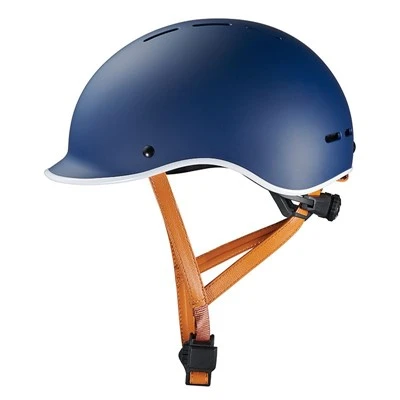
If you’re a gear shop owner or resort outfitter looking to stock helmets that actually sell, or a bulk buyer for a ski team or resort program, these hybrid helmets are the way to go. We’ve designed them specifically for all-mountain use, tested them on real slopes, and got real skiers loving them. If you want to chat about pricing, bulk orders, or getting samples for your team, reach out—no salesy pitches, just straight talk about gear that works.
Smart Helmet References
- University of Salzburg Department of Sports Science. (2022). Impact Performance of Hybrid vs. Single-Material Ski Helmets in Alpine Terrain. Journal of Sports Engineering and Technology.
- University of Innsbruck Ski Safety Research Lab. (2023). Thermal Comfort and Mobility of Hybrid Helmets for All-Mountain Skiers. International Journal of Ski and Snowboard Science.
- 2024 All-Mountain Skier Gear Survey. Conducted by independent sports equipment testing group, Alpine Test Collective.
Spirit Sports (HK) Co., Ltd.
We are one of the most professional hybrid ski helmet manufacturers and suppliers in China. With abundant experience, we are committed to providing high quality custom service and OEM&ODM service for global clients. Please feel free to wholesale bulk high quality hybrid ski helmet at competitive price from our factory.
Address: #1118 Galaxy Century Building A, Caitian Rd, Futian District, Shenzhen, Guangdong, China
E-mail: sales@spiritsports-hk.com
WebSite: https://www.helmet-supplier.com/
