If you’ve ever wondered why some propane detectors work in your home while others are designed for a warehouse or restaurant, you’re not alone. As a propane detector supplier, I talk to customers every day who mix these two types up—and that’s a problem. Propane is a safe, affordable energy source for everything from home grills to commercial forklifts, but it’s also heavier than air, flammable, and can cause dangerous leaks if not detected early. The gap between residential and commercial detectors isn’t just in price or size—it’s in how they’re built, calibrated, and tested to fit very different environments. Let’s break down the real differences, why they matter, and what to look for when you’re choosing the right one for your space. Propane Detector
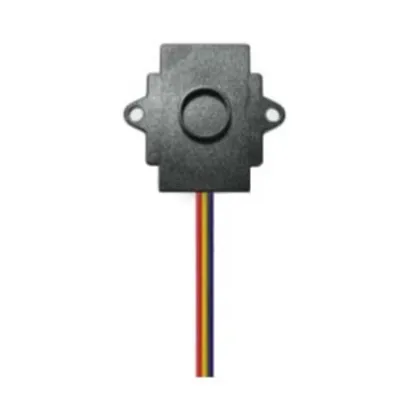
First, let’s start with the basics: what do all propane detectors have in common? At their core, they’re gas sensors that detect the concentration of propane in the air, usually measured in parts per million (ppm). Propane’s lower explosive limit (LEL)—the minimum concentration needed to ignite—is 2.1% by volume in air, and the upper explosive limit (UEL) is 9.5%. A good detector will alarm long before you hit that threshold, usually between 10% and 25% LEL, so you have time to ventilate, shut off gas lines, and evacuate if needed. The key divergence comes from where these detectors are installed, and the conditions they have to handle on a daily basis.
Residential propane detectors are built for homes, cabins, and small outbuildings like backyard grilling stations. The average residential space is smaller, has mild, consistent conditions (usually 60–75°F, low humidity, minimal dust), and has a single gas source—usually a furnace, water heater, or grill. Because of this, residential detectors prioritize ease of use and simplicity. Most are plug-and-play, with easy-to-read LED lights and a loud alarm (usually 85 decibels, about as loud as a busy street corner) that’s designed to cut through the noise of a home, but not so loud that it’s disruptive when no leak is present. They’re also compact, designed to mount on a wall near gas appliances, no bigger than a small smoke detector.
That simplicity comes with tradeoffs, though. Residential sensors are typically calibrated for low, steady propane concentrations. They use two main sensor types for home use: catalytic bead sensors or semiconductor sensors, both of which are fine for indoor home environments, but not built to handle heavy use or harsh conditions. A catalytic bead sensor works by heating a small bead coated with a catalyst; when propane hits it, the bead heats up more, and the detector measures that temperature change to calculate concentration. For homes, that works great because there’s not a lot of contaminants like dust, oil fumes, or harsh chemicals in the air. But in a commercial setting, those contaminants will clog the bead, throw off calibration, and make the sensor fail prematurely. Semiconductor sensors work differently: they have a metal oxide layer that changes conductivity when propane binds to it. They’re cheaper, which is why most residential detectors cost $20–$50, but they’re less precise over time, and can give false alarms if exposed to things like cooking grease, aerosol sprays, or cleaning products—common in commercial kitchens.
Now commercial propane detectors are a whole different animal. They’re built for spaces with more variable conditions, larger areas, higher volumes of propane (think a restaurant with a 500-gallon tank, a fleet of delivery trucks with propane engines, or a warehouse storing 20 forklifts), and more harsh environments. A commercial kitchen, for example, has high humidity, constant grease vapors, temperature swings (from 40°F in a walk-in fridge to 90°F by a grill), and frequent cleaning with harsh chemicals. A warehouse might have dust, vibrations from forklifts, and fluctuating air flow from loading docks. All of these will break a residential detector in a matter of months—hence why commercial detectors are engineered to withstand them.
First, commercial sensors are calibrated for higher LEL ranges and longer lifespans. Most commercial detectors use infrared (IR) sensors, which are far more durable than home sensors. IR sensors work by emitting a beam of infrared light that’s absorbed by propane molecules; the amount of light absorbed tells the detector the concentration of gas. They don’t use catalysts or metal oxides, so they don’t clog from dust or grease, and they’re accurate even after 5–10 years of use, compared to 2–3 years for most residential sensors. Some commercial units also have additional features: like remote monitoring, so a facility manager gets an alert on their phone when a leak starts, or multiple alarm levels—low alarm at 10% LEL for a warning, high alarm at 20% LEL for immediate action. That’s critical for commercial spaces where a leak might go undetected for hours if you’re not checking every room.
Another big difference is alarm requirements. Residential detectors just need to meet basic safety standards, but commercial detectors have to comply with stricter codes from organizations like the National Fire Protection Association (NFPA), Underwriters Laboratories (UL), and the Occupational Safety and Health Administration (OSHA). For example, OSHA requires commercial propane detectors to have an alarm that’s loud enough to be heard in all areas of a worksite, even noisy ones—so commercial alarms are usually 90–100 decibels, loud enough to cut through forklift engines and kitchen exhaust fans. They also have to be mounted higher or lower depending on the space: since propane is heavier than air, it sinks to the floor, so in commercial spaces with high ceilings, you mount detectors near the ground (6–12 inches above the floor), while in home basements or crawl spaces, you do the same. But in a commercial garage where forklifts might be running, you might add multiple detectors to cover the entire space, not just one like you would in a small home.
False alarms are another area where the two types differ. A false alarm in a home is an annoyance, but a false alarm in a commercial space can shut down a restaurant, delay deliveries, or even cause a panic. Residential detectors are often more sensitive to things that aren’t propane—like hairspray, cleaning sprays, or even cigarette smoke—so they might go off if you accidentally spray a can of air freshener near them. Commercial IR sensors, on the other hand, are calibrated specifically to detect propane molecules, so they ignore those other chemicals. That’s a huge reason why you can’t use a residential detector in a commercial kitchen: even if it’s cheaper, it’ll trigger false alarms every few weeks, costing you time and money.
Cost is a obvious difference too, but it’s worth explaining why. A residential detector is $20–$70, while a commercial unit can run $200–$500, and some with remote monitoring go higher. But that’s not just markup: it’s the difference in materials, sensor type, durability, and compliance testing. A residential detector is tested to last 3–5 years under ideal conditions, while a commercial one is tested to last 10+ years in harsh environments. If you try to cut corners and use a $30 residential detector in a commercial setting, it might fail in 6 months, costing you more in replacements, missed work, and potential safety risks than buying a commercial one upfront.
Let me give you a real example of this. A few months ago, a local pizza place came to me because their old residential propane detector kept going off every time they turned on their commercial ovens. They were in a small commercial kitchen, and they’d bought a home model thinking it would work. The sensor was a semiconductor type, and the grease and heat from the ovens were making it misread propane levels—so every time they turned on a dozen burners, the detector would alarm, forcing them to shut off the ovens mid-shift, losing sales. We swapped it for a commercial IR detector that’s rated for high humidity and grease, and they haven’t had a false alarm since. That’s exactly the kind of mistake people make when they don’t know the difference between the two types.
Another common question I get: can you use a commercial detector in a residential space? Technically, yes, but it’s overkill. A commercial detector is bulkier, more expensive, and has features you don’t need in a home—like remote monitoring that would send alerts to a commercial manager, not a homeowner. It’s also usually louder, which would be disruptive in a small home. So it’s not a bad choice, but it’s not necessary, and you’re paying for features you’ll never use.
Now, what should you look for when choosing? First, assess your space. If it’s a single-family home, small cabin, or outdoor grill setup, go for a residential detector. Make sure it’s UL-listed, mounted near your gas appliances (within 10 feet for furnaces, water heaters, etc.), and replace it every 3–5 years, even if it seems to be working—sensors degrade over time, even when not in use. If it’s a commercial kitchen, warehouse, fleet garage, or multi-unit space, go for a commercial detector. Look for one that uses IR sensors, is NFPA and OSHA compliant, has alarm levels tailored to your space, and if you need remote monitoring, make sure that’s an option.
Also, don’t forget installation and maintenance. A detector is only as good as its installation. For residential, plug it into a power outlet (don’t use an extension cord that’s frayed, and make sure it’s not behind furniture) and test it monthly—most have a test button that sprays a small amount of propane or a test gas to make sure the alarm works. For commercial detectors, you should have a technician calibrate it annually, test it weekly, and replace sensors every 10 years, even if the unit itself is still working. Skipping maintenance is a common cause of detector failures, whether residential or commercial.
As someone who’s been in the propane detector business for over a decade, I’ve seen firsthand how the right detector can prevent disasters, and the wrong one can cause unnecessary stress and risk. Propane is an amazing energy source, but it demands respect—and that means matching the detector to where you’re using it. A residential detector can handle the gentle, predictable environment of a home, but a commercial space has harsh conditions that will break it. A commercial detector is built to stand up to those conditions, keep you compliant, and give you the peace of mind that your space is safe.
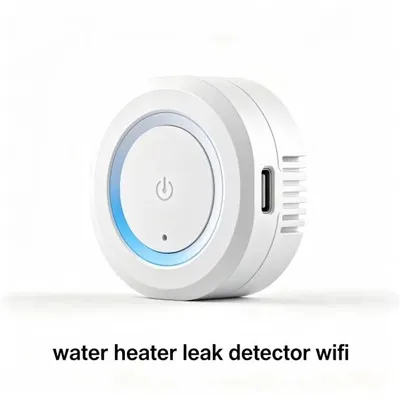
If you’re not sure which detector is right for your home or business, or you have questions about installation, calibration, or maintenance, don’t hesitate to reach out. We work with homeowners, small business owners, and large facilities to find the right propane detection solution that fits your needs and budget.
Flow Meter References
- National Fire Protection Association. (2021). Standard for the Installation of Gas Detection Systems. NFPA 704.
- Occupational Safety and Health Administration. (2022). Hazard Communication Standard: Propane Gas Safety. OSHA 1910.110.
- Underwriters Laboratories. (2020). Standard for Gas Detectors for Combustible Gases. UL 2075.
- American Gas Association. (2019). Residential Gas Detector Performance Guidelines. AGA Report No. 8.
- International Code Council. (2021). International Mechanical Code, Chapter 7: Gas Piping and Equipment.
Shenzhen Fineherc Technology Co., Ltd.
Address: 5th Floor, Building D, No. 39, Keji East Road, Torch Development Zone, Zhongshan City,China
E-mail: fineherc@hotmail.com
WebSite: https://www.fineherc.com/
