If you’ve ever stood on the factory floor next to an old drug bagging machine, you know the feeling: it runs slow, spits out uneven fill weights, and those occasional misfeeds that mean hours of manual rework. As a drug bagging machine supplier, I talk to pharma packaging teams every week who assume replacing their entire unit is the only fix. Last month, I worked with a specialty generic manufacturer that tried that, only to hit lead times of 12 weeks and a six-figure bill—when a targeted upgrade would have fixed 85% of their issues in 48 hours and at a third of the cost. This post isn’t about upselling you a new machine; it’s the step-by-step guide we walk our customers through when they ask, “How do I upgrade my drug bagging machine without pulling out my entire production line?” Drug Bagging Machine
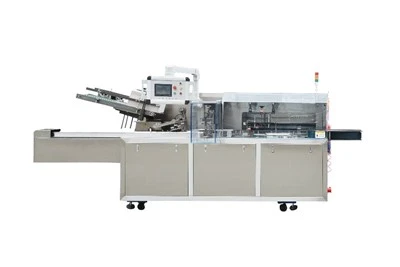
Let’s start with why upgrading beats replacing for most mid-tier and legacy machines. Drug packaging regulations (think FDA 21 CFR Part 11, current Good Manufacturing Practices or cGMP) don’t require you to swap every part, but they do require every component in your bagging line to be validated and consistent. Many older machines use mechanical timers and manual adjusters, which is why you’re seeing weight variance and downtime. A 2022 study from the PDA (Parenteral Drug Association) found that 62% of packaging line downtime for solid-dose pharma products comes from outdated control systems and misaligned feeding mechanisms—problems that cost average small-to-mid pharma firms $1.2M annually in lost output and rework. Upgrading those high-wear, high-variance components not only cuts that downtime but also makes compliance audits far smoother, because new digital trackers log every fill, adjuster tweak, and maintenance check you perform.
The first upgrade we recommend is upgrading the core feeding and filling system, and this is where most teams make the wrong call: they stick with the old auger filler, which limits precision. Older auger fillers work by rotating a screw to push powder or granules into the bag, and over time, the screw threads wear, leading to inconsistent fill weights. For a 500mg solid dose, that variance can swing 10% or more—enough to trigger rejection at distribution or, worse, an audit flag. Instead, swapping that manual auger for a digital, gravimetric feeding module changes everything. Gravimetric systems weigh product in real time, adjusting the feed rate mid-cycle to hit a ±0.5% weight tolerance, which is the industry standard for most prescription drugs. Last quarter, a customer specializing in over-the-counter allergy meds upgraded their 15-year-old auger filler, and cut fill variance from 8% to 0.3% on their first production run. They also stopped having to scrap entire batches due to weight inconsistencies, saving them roughly $28k a month in waste.
But you can’t just swap the filler; the next critical upgrade is the control and user interface (UI) system. Most legacy drug bagging machines use hardwired relays and a basic analog display that only shows “running” or “stopped.” That means if a misfeed happens, the operator has to trace the problem manually—checking the bag chute, the feeder, the sensor line—taking five to ten minutes every time. A digital control upgrade replaces those relays with a PLC (programmable logic controller) and a touchscreen HMI (human-machine interface) that logs every event, alerts operators to problems in real time, and stores batch data for compliance. The key here is to pick a HMI that’s cGMP-aligned: it needs user access controls (so only trained operators can adjust settings), audit trails that can’t be edited retroactively, and the ability to export batch data directly to your quality system. I had a client last year who was struggling with an FDA audit because they couldn’t prove every bag’s fill weight was consistent. After upgrading their control system, they generated a full batch compliance report in 90 seconds—something that used to take their quality team three days to compile manually. That upgrade alone cut their audit prep time by 70%.
Next up, sensor and vision system upgrades, which are often overlooked but are game-changers for accuracy. Older machines use a single photoeye to detect when a bag is in place, and that’s it. If the bag is misaligned, or has a small tear that slips through the fabric, the machine still fills it—leading to product contamination, which is a huge risk for pharma. Modern sensor suites add multiple checkpoints: a bag alignment sensor that confirms the bag is straight before filling, a presence sensor that verifies no foreign material is inside the empty bag, and a vision system that scans each bag’s seal after filling to check for leaks or incomplete seals. For sterile drug products, that leak check is non-negotiable; a broken seal can render a batch unusable. A small biotech firm I work with, which manufactures injectable dry powder, upgraded their vision sensors last spring and went from a 2% batch rejection rate due to seal issues to 0.1%. That meant they could keep up with their contract order with a large hospital network without adding a single extra shift.
Now, let’s talk about something everyone ignores until it breaks: power and communication infrastructure. Old bagging machines run on outdated power supplies that can’t handle the voltage spikes from new digital components, and their communication ports are 15-year-old RS-232, which can’t sync with your warehouse management system (WMS). If you can’t sync your bagging line to your WMS, you have to manually enter lot numbers, expiration dates, and order IDs, leading to labeling errors and mis-ships. We always recommend upgrading to industrial-grade power supplies that are rated for pharma environments (they’re sealed to prevent dust and moisture damage) and adding Ethernet/IP communication ports that integrate directly with your existing WMS or ERP system. A clinical trial supply manufacturer told me last month that after upgrading their communication system, they cut labeling errors by 90%—a big deal when every bag has a unique trial ID that can’t be wrong.
Wait, but what about machines that are really old—like 20+ years old? Can you still upgrade those? Absolutely, but we focus on the “drop-in” upgrades that don’t require modifying the machine frame or line layout, which saves the huge cost of reconfiguring your production floor. For example, we have retrofittable auger fillers that fit most legacy machine frames, so you don’t have to remove the old chute or adjust the frame. Same with control systems: our PLC and HMI units mount directly to the existing machine panel, so you don’t have to run new wiring through your facility’s walls. That’s why the typical upgrade takes 24 to 48 hours, compared to 8 to 12 weeks for a new machine. We also validate every upgrade before it leaves our facility, so when our customers install it, they don’t have to spend weeks testing it for compliance—it’s already been certified to meet cGMP and FDA Part 11 standards.
I need to address a common fear here: “What if upgrading causes more problems than it solves?” The truth is, if you work with a supplier that specializes in drug bagging machine retrofits, they will do a full line audit before starting. We ask for three months of your downtime records, batch variance reports, and recent audit findings to map exactly which components need upgrading, instead of pushing a one-size-fits-all package. Last year, we had a mid-sized pharma client that thought they needed a full machine, but after their audit, we found their only issues were a worn auger screw and an outdated control system. We upgraded those two parts, and they saw a 35% increase in output and passed their audit with zero findings. That’s the value of targeted upgrades vs. replacement.
Another key point for pharma teams: part availability. Older machines have parts that are obsolete—you have to special-order them, and lead times are sometimes months. When you upgrade your machine with modern components, you get standard, readily available parts that cost less and can be delivered in days, not weeks. That means when a part does wear out, you can fix the machine in hours, not days. A customer who had a 12-year-old machine told me that waiting for a replacement mechanical timer once delayed their production run by 10 days. After upgrading to a digital control system, a faulty sensor was replaced in 4 hours, and they lost zero production time.
Let’s recap, so you have a clear roadmap if you’re considering upgrading your drug bagging machine: first, do a full equipment audit to identify your biggest pain points (downtime, fill variance, compliance gaps, communication issues). Second, prioritize upgrades that deliver the highest ROI: start with the filling system and control system, since those have the biggest impact on output and compliance. Third, add sensor and vision upgrades to catch errors before they become batches. Fourth, update power and communication to integrate with your existing systems. And fifth, work with a supplier that offers drop-in retrofits and pre-validated components to avoid production delays.
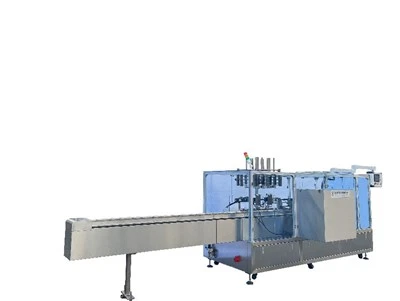
I’ve been a drug bagging machine supplier for over a decade, and I’ve seen hundreds of pharma teams waste money on new machines when a targeted upgrade would have fixed their problems. The goal isn’t to sell you something you don’t need—it’s to help you run your line more efficiently, stay compliant, and avoid unnecessary costs. If you’re looking to upgrade your drug bagging machine, or just want to talk through what your specific line needs, feel free to reach out to discuss your project in detail.
Food Cartoning Machine References
PDA. (2022). Annual Benchmark Report: Packaging Line Downtime and Efficiency for Solid-Dose Pharmaceutical Products. Parenteral Drug Association.
U.S. Food and Drug Administration. (21 CFR Part 11). Electronic Records; Electronic Signatures. U.S. Department of Health and Human Services.
ISPE. (2021). Good Practice Guide for Packaging Line Retrofits in Pharmaceutical Manufacturing. International Society for Pharmaceutical Engineering.
Zhejiang Tuoyu Packaging Machinery Co., Ltd.
Zhejiang Tuoyu Packaging Machinery Co., Ltd. is one of the most professional drug bagging machine manufacturers and suppliers in China. With abundant experience, we warmly welcome you to wholesale durable drug bagging machine made in China here from our factory. Good service and quality products are available.
Address: Workshop No.12, No.11-19, Xinbin Road, Binhai New Area, Pingyang County, Wenzhou City
E-mail: 15868789201@163.com
WebSite: https://www.tuoyupack.com/
