If you’ve ever stood on a construction site watching a wheel excavator glide over uneven terrain, dig precise trenches, or load material into a dump truck, you know it’s not just a big metal machine—it’s a tool that only works well when the person behind the controls knows how to respect its limits, master its movements, and prioritize safety above all else. As a wheel excavator supplier, we talk to job site foremen, new operators, and business owners all the time who tell us they’ve rushed training, only to deal with avoidable breakdowns, slow project timelines, or worse, injuries. That’s why we’ve put together this practical, experience-backed guide to training someone to use a wheel excavator the right way—no shortcuts, just the steps that keep crews safe and jobs running smoothly. Wheel Excavator
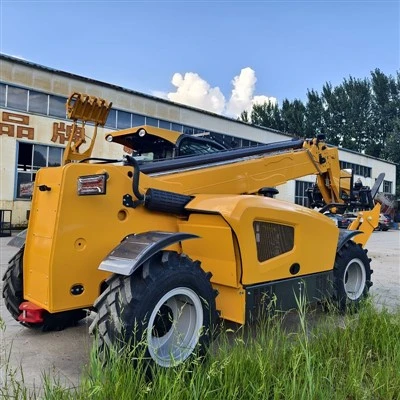
First, let’s start with the basics: what makes a wheel excavator different from its tracked cousin? Tracks give traction and stability on soft ground, but wheel excavators are built for speed on paved surfaces, tighter job sites, and quick moves between locations. That speed is a huge benefit, but it also means new operators have to unlearn habits they might have picked up with tracked equipment. Too many new folks grab the controls and mash the accelerator on paved ground, only to spin the wheels, damage the tires, or tip the machine if they hit a sudden dip. That’s why the first phase of training should never be behind the controls—it’s about classroom learning and familiarizing yourself with the machine before you ever turn a key.
We usually structure that first phase over two full days, and it’s non-negotiable for every new operator, even if they’ve used other heavy equipment before. Day one is all about machine identification and safety protocols. Let’s break that down: first, we walk them around the entire excavator, pointing out every critical part they’ll need to know. That means marking the tire pressure gauges, the hydraulic fluid levels, the emergency stop button, the swing area (that’s the 360-degree circle around the upper structure where if anything gets in, it will get crushed), and the load capacity decal on the boom. A lot of new operators skip checking that load capacity, which leads to overloading the bucket, straining the hydraulics, or even tipping the machine—something that can happen faster than you’d think if you’re hauling wet concrete or large rocks.
Next on day one: safety certifications and site-specific rules. Wheel excavators aren’t just heavy equipment—they’re regulated by OSHA in the U.S., WorkSafe in Canada, and similar bodies around the world. We go through the key OSHA standards for excavator operation, like never leaving the cab while the engine is running, always setting the parking brake before exiting, and never having anyone stand in the swing area. We also make sure they understand site-specific hazards: if you’re working near power lines, the minimum clearance distance (usually 10 feet for lines under 50,000 volts, more for higher lines), how to avoid underground utilities by calling 811 (or your local locate service) before any dig, and how to communicate with spotters if they’re working in a tight area. A spotter isn’t just a helper—they’re someone who can see blind spots the operator can’t, like a kid wandering onto the site or a dump truck driver backing up. We emphasize that clear, simple hand signals are non-negotiable here, no yelling over loud engine noise. On top of that, day one includes a session on pre-operation checks—we teach them the exact routine to follow every single time before starting the engine: walk the whole machine to check for flat tires, cracked hoses, loose parts, and debris around the tracks (even though it’s wheeled, some models have small rear tracks for stability on soft ground); check the mirrors, adjust the seat so the controls are within easy reach, and fasten the seatbelt. We’ve had too many operators skip that walkaround only to discover a flat tire mid-project, delaying a job for hours.
Day two of the first phase moves to cab familiarization, and this is where a lot of new operators get overwhelmed. Wheel excavators have two sets of controls: one for moving the machine on wheels, and one for the excavator’s boom, arm, and bucket. Unlike cars, there’s no steering wheel—instead, you use two levers for travel (one for forward, one for reverse, and each wheel has its own control for turning, which lets you pivot in place, a huge advantage on narrow streets) and two joysticks for the upper structure. We spend hours breaking down those controls, one at a time. The left joystick controls swing (left and right) and the arm (in and out), while the right joystick controls the boom (up and down) and the bucket (curl and dump). A common mistake for new operators is mixing up the joystick movements: pulling the right joystick back makes the boom go up, but if you don’t practice that, you might accidentally curl the bucket instead, dumping material you were trying to hold. We use a mock control pad (we make these for our training sessions, so operators can practice without an actual machine) to get them comfortable moving each lever slowly, no rush. We also teach them how the pedals work: there’s a foot pedal for the auxiliary hydraulic function, which is for attachments like augers or grapples, so they don’t mix that up with the travel pedals. Throughout this cab familiarization, we stress smooth movements. Every operator wants to go fast, but jerky joystick moves cause the machine to lurch, spill material, or strain the hydraulics. Even in practice, we have operators move the boom half an inch at a time until it feels natural, not fast.
Once they’ve nailed the cab controls and pre-operation checks, the next phase is supervised hands-on training, which usually takes three to five days, depending on their experience level. We start in a controlled, empty lot—no dump trucks, no power lines, just flat, paved ground and a small pile of loose dirt to dig. The first hands-on exercise is just moving the machine: forward, reverse, turning, pivoting. New operators usually drive too fast at first, so we have them practice stopping within a foot of a marked line, like a cone, every time. Then comes the first dig exercise: digging a small, 2-foot-deep trench, just to get used to how the bucket moves. We walk them through positioning the excavator so the trench is within the swing radius, setting the machine on level ground (never dig on a slope—if you have to, we teach them to stabilize the excavator with the outriggers, a feature most wheel excavators have), and how to lower the bucket into the dirt slowly, curl it to grab material, swing it over to the pile, and dump it. We correct common mistakes here: digging too deep too fast, which causes the bucket to get stuck; swinging too far, which makes the load spill; and not leveling the machine, which makes the trench uneven. A big part of this phase is teaching them to “read” the machine: how it feels when it’s overloaded, when a tire is slipping, or when the boom is being pushed too hard. We tell them if the engine revving drops suddenly, that means they’re straining the hydraulics, so they need to lighten up on the joystick. For operators who’ve never used a wheel excavator before, we also practice moving between job sites: driving on paved roads at the correct speed (most wheel excavators top out around 20 mph, which is fast for heavy equipment, so they need to stay in their lane, use turn signals, and never carry a load with the boom raised on public roads—this is a common violation that leads to tickets and accidents). We even simulate tight turns on narrow streets, just like you’d find in a downtown construction zone, to get them comfortable with the machine’s size.
After the basic hands-on exercises, we move to more advanced tasks, tailored to the work the operator will actually be doing. If they’ll be doing utility work, we teach them how to dig a precise trench with smooth sides, no overdigging—overdigging means extra backfill time, which costs money. If they’ll be loading trucks, we practice positioning the excavator so the dump truck is centered under the bucket, how to dump material without spilling over the truck’s sides, and how to avoid hitting the truck with the boom. We also train them on attachments, since wheel excavators are versatile—grapples for demolition work, augers for fence posts, hydraulic breakers for concrete. Each attachment has its own control adjustments, so we walk them through changing the auxiliary hydraulic settings, checking the attachment’s load capacity, and how to safely connect and disconnect it without pinching hoses or damaging parts.
Throughout all of this, we emphasize safety every step of the way, and we never let an operator move on to the next phase until they’ve mastered the current one. We’ve seen job sites rush training, and the results are never good: a new operator at a residential construction site once tried to move a wheel excavator across a soft lawn without extending the outriggers, tipping the machine into the neighbor’s pool, causing $150,000 in damage and a weeks-long delay. Another operator, in a hurry to finish a dig, didn’t call the utility locate number, hitting a gas line and causing an evacuation of a block of houses. Those aren’t just mistakes—they’re preventable, and good training is the only way to avoid them.
Once the supervised training is done, we recommend a 30-day on-the-job probation period with a mentor, an experienced operator who can answer questions, correct small mistakes, and give feedback. A lot of new operators think they’re ready after a week, but there’s always something that comes up on a real job site: a sudden rainstorm making the ground soft, a dump truck driver who’s in a hurry, a tight spot between two buildings. That mentor can help them adjust their skills to real-world conditions, not just the controlled practice lot. We also recommend refresher training every year, to update operators on new machine features, safety rules, and best practices—technology changes fast, and even experienced operators can pick up bad habits that lead to accidents over time.
As a wheel excavator supplier, we don’t just sell machines—we want to make sure those machines are used correctly, safely, and profitably for our customers. Bad training doesn’t just put operators at risk; it increases maintenance costs, delays projects, and can lead to expensive repairs or legal issues. A well-trained operator can double the productivity of a wheel excavator, finish jobs on time, and keep their crew safe.
If you’re a business owner, a foreman, or someone looking to train your team on wheel excavators, we’re here to help. Whether you need custom training sessions on your job site, access to our training materials, or advice on the right machine for your crew’s needs, we can work with you to create a training plan that fits your project. Don’t take shortcuts when it comes to training—your crew’s safety and your project’s success depend on it. Get in touch with us to discuss your excavator training and equipment needs today.
Backhon Loader References
OSHA. (2023). Heavy Equipment Safety Standards for Excavators. Occupational Safety and Health Administration.
WorkSafeBC. (2022). Wheel Excavator Operation Guidelines for Construction Sites. WorkSafe British Columbia.
Construction Safety Association of Ontario. (2021). Training Manual for Heavy Equipment Operators: Wheel Excavators. CSA Ontario.
National Association of Heavy Equipment Training Schools. (2023). Best Practices for Excavator Operator Training Programs. NAHTS.
Shandong Feisite Machinery Co., Ltd.
As one of the most professional wheel excavator manufacturers and suppliers in China, we’re featured by quality products and good service. Please rest assured to buy cheap wheel excavator made in China here and get quotation from our factory. Customized orders are welcome.
Address: 100 meters south of Zengfusi Village, Mihe Town, Qingzhou City, Shandong Province
E-mail: Wpeng19911103@qq.com
WebSite: https://www.shandongfeisite.com/
