Hey everyone, quick question I get asked like a hundred times a week from folks looking to upgrade their glasses: Can I actually get high-index lenses in titanium frames? And let’s be real—when you’re sick of those bulky, heavy thick lenses that make your glasses look like soda bottles, this question hits different. As someone who’s been running my titanium glasses supply game for a minute now, I’ve dealt with every angle of this, so let’s break it down without all the boring jargon. Titanium Glasses
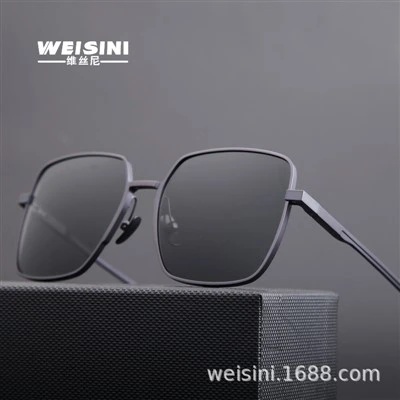
First off, let’s make sure we’re on the same page about what high-index lenses are and why titanium matters here, ’cause a lot of people mix this up. High-index lenses are the thin, lightweight alternative to regular plastic or glass lenses—they bend light more efficiently, right? So if you have a strong prescription (think over +2.00 for farsighted, or over -4.00 for nearsighted), regular lenses get super thick around the edges—like, thick enough to make your glasses stick out or even hurt the bridge of your nose after a few hours. That’s where high-index saves the day; they cut lens thickness by 30-50% compared to standard 1.50 index lenses.
Now titanium frames—what’s the deal with those? Titanium is basically the holy grail for eyewear frames. It’s light (way lighter than stainless steel or even acetate), super strong, hypoallergenic (perfect for anyone who gets rashes from cheap metal), and it doesn’t flex out of shape easy. But I used to hear people say, “Wait, titanium is flimsy? How’s that work with high-index lenses which might be a bit heavier than standard ones?” Let’s debunk that myth right now: Titanium’s strength to weight ratio is insane. A pair of titanium frames that can hold a heavy high-index lens (even 1.74 index, the thinnest you can get) is way lighter than a steel frame with standard lenses. So the short answer first—YES, you absolutely can get high-index lenses in titanium glasses. It’s not just possible, it’s one of the most popular combo requests we get from our clients, whether they’re individual customers or small optical shops stocking up.
But let’s get into the nitty gritty, ’cause it’s not just slapping a high-index lens into any random titanium frame—there’s a few things that actually make this combo work, and a couple of pro tips that’ll save you from headaches later. First, lens index matching. High-index lenses come in different grades: 1.60, 1.67, and 1.74. The higher the number, the thinner the lens. But here’s the thing: your prescription strength dictates which index you need, and that ties directly to the frame. For example, if you have a mild prescription (under -3.00 or so), a 1.60 index lens is more than enough—you don’t need to drop extra cash on 1.74, and it’ll fit perfectly in any standard titanium frame. If your prescription is super strong (over -5.00), 1.67 or 1.74 is where it’s at, and you need to make sure the titanium frame has enough inner diameter space. We test all our frames to fit up to 58mm lenses, which covers almost every prescription out there, so that’s not a problem for our supply.
Another big one: lens material compatibility. High-index lenses are usually made from polycarbonate? No, wait, no—wait, polycarbonate is a separate high-impact material, high-index is usually from something like MR-8 or MR-174, which are liquid plastics. These are scratch resistant, impact resistant, and they bond well with the edge beveling that opticians do to fit them into frames. Titanium frames have a smooth inner groove for lenses, right? Unlike acetate frames which can be a bit rougher—so high-index lenses slide in way easier into titanium, no risk of chipping during fitting. I’ve had so many clients tell us horror stories where their acetate frame chipped the lens edge when they were putting it in, but with titanium? That almost never happens. That’s a huge win for anyone who’s ever had a lens crack mid-adjustment.
Wait, what about weight? Let’s do a quick real-world example, not just numbers. A pair of titanium Wayfarer-style frames with a 1.74 high-index lens for a -6.00 prescription? Total weight is around 22 grams. A steel frame with the same 1.74 lens? That’s 35 grams. A regular plastic frame with a 1.50 lens for the same prescription? That’s 30 grams, and thicker to boot. So not only is the titanium + high-index combo thinner, it’s way more comfortable for all-day wear. I get customers all the time who say “I used to get headaches from old heavy glasses, now I forget I’m wearing them” when they go with this combo. That’s the kind of feedback that makes the late nights worth it, man.
But hold up—are there any caveats here? I’m not gonna sugarcoat it, so let’s be honest. First, higher index lenses cost more, obviously. 1.74 index lenses are way pricier than 1.50, so if you’re on a budget, you might want to check if a lower index works for your prescription. Second, not all titanium frames are created equal. Some super thin, ultra-light “memory titanium” frames (the kind that bend all the way back and pop into place) might have a smaller lens opening, so you can’t fit a 1.74 lens if your prescription needs it. That’s why at my supply, we sort our titanium frames into two categories: “high-prescription ready” for folks needing 1.67/1.74, and “standard” for mild prescriptions. We make that clear on every product page, so no one gets blindsided when they order. Third, lens coatings—high-index lenses can be more prone to reflections, so you definitely want an anti-reflective (AR) coating, and maybe blue light coating if you’re on your computer a lot. Titanium frames don’t affect coatings at all, so that’s totally up to you, but it’s a cheap upgrade that makes a huge difference.
Now, let’s talk from a supply perspective, since that’s what I know best. A lot of small optical shops reach out to us asking if they can stock titanium frames that work with high-index lenses, and the answer is a resounding yes. We manufacture all our frames with 100% pure titanium, no alloys that can cause issues with lens fitting, and we work directly with lens suppliers to make sure our frames are compatible with all major lens brands. We also do custom sizing for optical shops—if a shop has a specific frame style that they want to fit high-index lenses in, we can adjust the inner lens groove to make it happen. That’s the kind of service you don’t get from big box suppliers, y’know? Big companies just send you frames and say “good luck,” but we test every batch to make sure they fit 1.67 and 1.74 lenses without any issues.
I also get a lot of individual customers asking if they can order a pair of high-index lenses from their optician and just buy a titanium frame from me to put them in. Short answer: absolutely, that’s a super common request. We sell individual frames (not just in bulk to shops) for anyone who wants to swap out their old lenses for thin high-index ones. Just make sure when you order your titanium frame, you give us the exact lens size your optician provides—like the diameter and the lens shape—so we can bezel it to fit perfectly. We’ve had people send us their prescription lens specs and walk away with a pair that’s way lighter and thinner than what they had before.
Wait, let’s address a common mix-up: some people think “high-index” means the lens is automatically heavier, but that’s not true at all for titanium frames. The heavy part of the glasses is the lens, right? So if you use a high-index lens that’s thinner and lighter, the frame just needs to hold it without being heavy itself. Titanium is the perfect balance here because it’s strong enough for the heavy high-index lens, but light enough that you don’t feel the weight. Acetate frames, by contrast, can be heavy, so even a light high-index lens might feel weighed down by the frame after a few hours. Stainless steel is too heavy period, so even a standard lens feels cumbersome. That’s why this combo is such a game-changer.
Let’s also talk about durability, because titanium is known for lasting forever, and high-index lenses are pretty durable too, as long as you take care of them. I’ve had customers come back with pairs of our titanium frames that are 5 years old, and the high-index lenses still look great—no scratches, no cracks, even if they accidentally dropped them. The key is handling high-index lenses with a soft cloth, not putting them face down on hard surfaces, same as any lens. Titanium frames are also easy to adjust—if your glasses feel a little loose, you can bend the titanium temples back into shape without worrying about breaking them, which is way better than acetate frames that crack if you adjust them too much.
Now, let’s wrap this up with actionable stuff, since that’s what my readers care about. If you’re considering high-index lenses with titanium glasses, here’s your quick checklist:
- Get your exact prescription from your optometrist—don’t guess, especially if it’s strong.
- Pick the right lens index: 1.60 for mild (-3.00 or lower), 1.67 for medium (-3.00 to -5.00), 1.74 for strong (-5.00+) prescriptions.
- Make sure the titanium frame you’re buying is “high-prescription ready” (check the lens diameter—at least 52mm, ideally 55+).
- Add anti-reflective and scratch coatings to your lenses—it’s worth the extra $20-30.
- If you’re ordering from a supply like mine, just confirm the lens specs with us before finalizing your order, so we can make sure it fits.
And for all the small optical shop owners out there reading this: if you’re looking to stock titanium frames that work with high-index lenses, I can hook you up with bulk pricing, custom logo options, and fast shipping. We test every frame for lens compatibility, so you don’t have to worry about returns because a lens didn’t fit.
At the end of the day, the biggest question isn’t “can I get high-index lenses in titanium glasses”—it’s “why wouldn’t you?” This combo solves almost every problem people have with glasses: thick lenses, heavy frames, frequent rashes, chipped lenses. It’s comfortable, durable, and looks way more stylish than those bulky plastic frames you’ve had for years.
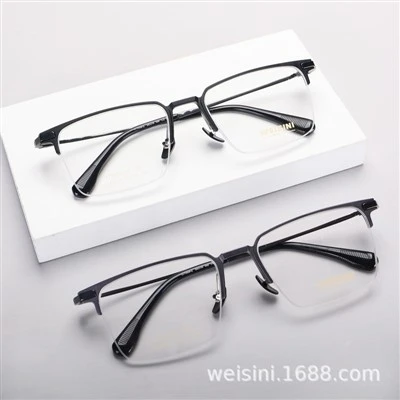
If you’re ready to place an order, whether you’re an individual customer looking for a single pair or a shop needing bulk stock, just reach out to us. No weird hoops to jump through, no hidden fees, just straight up good titanium frames that work perfectly with high-index lenses. We’re here to make your glasses experience way less of a hassle and way more comfortable.
Sunglasses References:
- American Academy of Ophthalmology. (2022). High-Index Lenses: What You Need to Know.
- International Organization for Standardization. (2019). Titanium Eyewear Frame Standards (ISO 12870:2019).
- Vision Council. (2021). Global Eyewear Materials Trends Report: Titanium and High-Index Lens Demand.
Yuhuan Longsen Glasses Co., Ltd.
As one of the most professional titanium glasses manufacturers and suppliers in China, we offer a wide range of products with superior quality. Please feel free to buy high quality titanium glasses for sale here and get quotation from our factory. We also accept customized orders.
Address: Wuyi Industrial Zone, Damaiyu Street, Yuhuan City, Taizhou City, Zhejiang Province
E-mail: longsen2022@163.com
WebSite: https://www.longsenglasses.com/
