Hey everyone! I’m Jake, and I’ve been working in the hydraulic compactor game for almost a decade now—so when people ask me if a hydraulic compactor is good for driveways, I get it: it’s a big investment, and you don’t wanna drop cash on something that either overkill for your 2-car pad or flops when you actually need it. Let’s break this down straight, no corporate jargon, just real talk from the guy who sells these bad boys and sees what works (and what doesn’t) every single week. Hydraulic Compactor

First, let’s get one thing outta the way: most homeowners don’t realize that “driveway compaction” isn’t just tamping dirt with a hand tamper and calling it a day. If you’ve ever had a driveway that cracks in the first year, or sinks when you park a heavy truck, that’s because the base wasn’t compacted right. Now, I know what you’re thinking—“Can’t I just rent a plate compactor? Way cheaper.” Yeah, you can, but here’s the tea: plate compactors are great for small jobs, but they’re garbage for full driveway prep. Hydraulic compactors? They’re a different beast, and that’s why they’re worth talking about for driveways, no matter if you’re doing a tiny single-car or a full 3-car pad with a turnaround.
Let’s start with the science (I’ll keep it simple, promise) so you understand why this matters. Soil isn’t just loose dirt and rocks—there’s air pockets, right? If you lay asphalt or concrete over loose soil, those air pockets get squished out over time, which makes the whole driveway sink. Hydraulic compactors use hydraulic force (that’s just pressure from fluid, fyi) to vibrate and apply consistent, deep force to the base, not just the top layer. Unlike a plate compactor, which only gets like 6-8 inches deep, a hydraulic compactor can go 12-18 inches down—more than enough for a standard driveway base of gravel, crushed stone, or compacted fill. That consistency is key. I’ve seen so many renters cut corners, use a plate compactor, and end up with a driveway that has a soft spot in the middle within 18 months. Hydraulic compactors eliminate that because every inch of the base gets the same pressure, no skimping.
Wait, but hold on—are there cases where a hydraulic compactor is overkill? Yeah, if you’re just doing a small patch job, like fixing a 2×2 foot crack on an existing driveway. You don’t need a full-size hydraulic compactor for that. But if you’re starting from scratch—pouring a new driveway, replacing an old one that’s sinking, or even doing a heavy-duty gravel driveway for RVs or farm trucks? This is exactly what you need. I had a customer last month who runs a small landscaping business, he was building a driveway for a guy who stores heavy construction equipment on the side. He rented a plate compactor once, spent 2 days on the base, and the first time the client parked his skid-steer, the front of the driveway sank an inch. He came to us, used a medium-size hydraulic compactor, did the base in 3 hours, and that driveway’s holding up like a tank 6 months later. That’s the kind of result we’re talking about.
Another big win for hydraulic compactors on driveways: they work with every base material. Let’s say you’re doing a gravel driveway—everyone knows gravel gets rutted if it’s not compacted right. A hydraulic compactor will flatten that gravel evenly, so it doesn’t shift when you drive on it. If you’re laying asphalt? Same thing—properly compacted base means your asphalt won’t crack from shifting soil. Concrete? Wait, some people don’t know this, but even concrete driveways need a compacted base to prevent cracking. Hydraulic compactors work for that too, not just for dirt and gravel. I’ve had residential contractors come to me for mini hydraulic compactors specifically for small residential concrete prep jobs—they’re not too big to maneuver around a backyard, but they pack way harder than any rental plate.
Now, let’s be real—this isn’t for everyone. Let’s talk about the downsides, because I don’t wanna sell you something you don’t need. First, upfront cost. If you’re a homeowner doing a one-off driveway, a hydraulic compactor will cost more than renting a plate compactor or hiring a guy with a small compaction crew. But here’s the tradeoff: the lifespan of your driveway goes way up. A driveway with a properly compacted base from a hydraulic compactor can last 20+ years, whereas a driveway with insufficient compaction might need major repairs (or a full replacement) in 5-7 years. That math adds up. Second, size. If you have a tiny, narrow driveway or a super tight backyard, a full-size hydraulic compactor might be too big to maneuver. But we make mini ones for residential use, and even some skid-steer mountable ones that fit right in a standard driveway space—no more wrestling with a giant machine in your garage.
Wait, let’s address a common misconception: hydraulic compactors are just for commercial jobs. Nah. I’ve sold compactors to single homeowners in the last year who are doing their own custom driveway—one guy even built a massive cobblestone driveway, and he used a hydraulic compactor to make sure the base was so solid, the cobblestones don’t shift at all. He told me he saved $10k by doing the prep himself, and the compactor paid for itself in that one job. That’s the kind of value I see every week.
Another thing I love about hydraulic compactors: they’re way more efficient than manual labor or small tools. Let’s say you have a 10×20 foot driveway—using a hand tamper would take you all day, and you’d probably not get consistent compaction. A small hydraulic compactor would knock out that same space in 1-2 hours, and the compaction is way more uniform. No more tired arms, no more uneven spots, no more rushing to get the base done before it rains. Time is money, right? For contractors, that means faster jobs, happier clients, more work. For homeowners, that means less time working on your driveway and more time using it.
Now, let’s talk about something specific to driveways that you might not think about: drainage. Wait, how does compaction affect drainage? If your driveway base is compacted unevenly, you might have low spots where water pools. Pooled water leads to cracks, ice in winter, and all kinds of problems. A hydraulic compactor creates a smooth, even base, so when you lay the top layer (asphalt, concrete, gravel), it’s level, and water runs off properly, not sitting in low spots. I had a customer last winter call me panicking because his new asphalt driveway cracked so bad the ice was getting into the base. Turns out, the contractor used a plate compactor, didn’t get the base compacted evenly, so there was a low spot that held water, froze, and cracked the asphalt. We went out with a mini hydraulic compactor, fixed the base, and he hasn’t had a problem since. That’s the kind of preventative maintenance that makes a hydraulic compactor worth it, even if you have to spend a bit more upfront.
Wait, should you hire a pro or buy your own? That’s another question I get all the time. If you’re a homeowner who only needs a driveway once, hiring a contractor with a hydraulic compactor is probably the move. But if you’re a handy person who does side projects (or you have multiple properties that need driveways), buying a compact hydraulic compactor makes sense. For contractors? It’s almost a no-brainer. The efficiency and quality of work you get with a hydraulic compactor will set you apart from other guys who still use plate compactors. Clients will pay more for a driveway that doesn’t sink or crack, and that’s all thanks to proper compaction.
Let me wrap this up with a real-life example that stuck with me. A few years back, I sold a compact hydraulic compactor to a guy named Mike in Ohio. He runs a small farm, and he needed a new driveway for his trucks and equipment. Before that, he had a gravel driveway that got rutted every year in the mud, and he spent thousands fixing it annually. He used our compactor to prep the base, lay new gravel, compact it, and now that driveway’s been holding up for 5 years with zero ruts. He told me he’s saved over $8k in repairs since he bought the compactor. That’s the value right there.
So, is a hydraulic compactor good for driveways? Let’s answer that clearly: if you’re doing a full driveway (from scratch, replacing an old one that’s failing, or need heavy-duty compaction), absolutely. It’s not cheap, but it saves you money in the long run, gives you a way better, longer-lasting driveway, and makes the job way faster and easier. If you’re just doing a small patch or a tiny gravel spot, it might not be necessary, but for most driveway jobs that matter, it’s the right call.
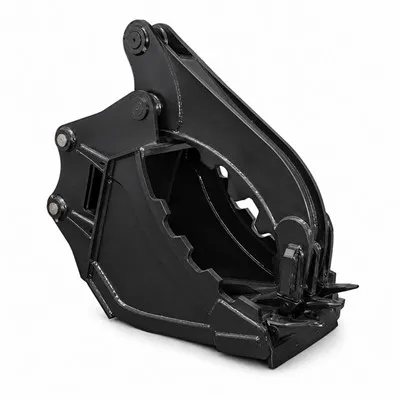
If you’re thinking about upgrading your compaction game for your next driveway project—whether you’re a homeowner, contractor, or farm owner—hit us up to talk through what size and model makes sense for your job. We don’t push the biggest, most expensive compactor just because we sell ’em; we listen to what you need and point you to the one that’ll get your driveway done right. No pressure, just real advice from a guy who’s been in this long enough to know what works.
Excavator Bucket References:
- National Asphalt Pavement Association. Driveway Compaction Best Practices. 2022.
- Soil Science Society of America. Effects of Compaction Depth on Pavement Longevity. 2021.
- Concrete Construction Magazine. Proper Base Preparation for Residential Driveways. 2023.
Hope Precision Machinery Co., Ltd.
As one of the most professional hydraulic compactor manufacturers and suppliers in China, we also support customized service. Please feel free to buy high quality hydraulic compactor for sale here from our factory. For more information, contact us now.
Address: No.8 Shenzhen Street, Development Zone, Yantai,Shandong ,China
E-mail: lulu@hope-breaker.com
WebSite: https://www.hopeequip.com/
