If you’ve ever pedaled 50 miles on a hot summer morning only to peel off a cycling jersey that’s stuck to your back like a damp towel, you already know fabric isn’t just a tiny detail in sportswear—it’s what turns a good ride into a great one. As a fabric supplier specializing in performance textiles for cycling, I’ve spent the last 12 years working with pro teams, weekend warriors, and custom gear brands to test every fabric under sun-scorched roads and cold, rainy mountain passes. What I’ve learned isn’t just about picking a soft or shiny material—it’s about matching fabric properties to the exact demands of cycling: moisture management, breathability, stretch, durability, and resistance to the friction that turns a long ride into a chafing nightmare. Too many brands still default to generic polyester or cotton for cycling gear, and that’s where so many riders miss out. Let’s break down the best fabrics for cycling sportswear, rooted in real testing and on-road feedback, so you know exactly what to look for. Sportswear Fabric

First, let’s talk about the non-negotiable for any cycling fabric: moisture wicking. Unlike cotton, which absorbs sweat and stays wet against skin, technical fabrics move moisture away from your body to the outer layer where it can evaporate fast. But not all wicking is equal—this isn’t just “polyester is better than cotton.” The structure of the fabric makes a huge difference. I’ve tested two identical weight polyester knits: one with a smooth, filament structure and another with a textured, staple fiber blend. The filament fabric moved sweat 30% faster in 85°F heat tests, because its smooth surface doesn’t trap moisture between fibers. For road cyclists who are constantly moving and generating steady sweat, this is critical. If your jersey doesn’t wick fast enough, you’ll end up with heavy, cold fabric on descents, even in summer.
Now, the top fabric for most road cycling jerseys and shorts: high-performance polyester, specifically the kind with a microfiber weave and a non-pilling finish. I’m not talking about the cheap 100% polyester stuff you find at big-box retailers for $20. I’m referring to yarns like recycled PET microfiber (yes, we source a lot of this from plastic bottles, which appeals to brands focused on sustainability) that’s weight-calibrated for cycling. For road jerseys, a 120-150 gsm (grams per square meter) microfiber polyester is perfect: light enough to breathe, but thick enough to resist tearing if you catch it on a bike handlebar or a branch. The microfiber’s small diameter creates tiny gaps between fibers that let air flow through, while the fabric’s hydrophilic finish (not to be confused with absorbent) pulls sweat to the outer surface. One pro team I supply tests this fabric and reports that their riders stay 2-3 degrees cooler than in standard polyester jerseys on 90°F days. The other big benefit: polyester doesn’t stretch out over time. A well-made polyester cycling short will retain its shape for hundreds of rides, so the chamois inside stays in the right place instead of sliding around. That’s a game-changer for long rides—no adjusting your shorts every 10 miles because the waistband is sagging.
For mountain biking, where conditions are rougher and you’re more likely to get caught in rain or mud, polyester still leads, but with a twist: a double-weave polyester blend. The outer layer is a durable, water-resistant but breathable coating (we use a polyurethane coating with 10,000 mm water resistance, which means it can withstand heavy rain without soaking through) and the inner layer is a mesh polyester that wicks moisture. I tested this last year on a group ride in the Pacific Northwest, where it rained for 3 hours straight. My base layer stayed dry inside, even as the outer layer held off the downpour. Without the inner mesh, the moisture would have gotten trapped, and I’d have been soaked through by the end. Also, mountain bikes cause a lot more abrasion—think sliding out on a corner, or your jersey rubbing against your handlebars on a rocky descent. Double-weave polyester is 40% more abrasion-resistant than standard single-weave, so it holds up to that wear. I’ve had mountain bike brands tell me that their gear made with this fabric lasts 2x longer than the competition, which saves them money on replacements and keeps riders happier.
Now, what about merino wool? A lot of brands hype merino as the “natural alternative” to synthetic fabrics, and there’s a reason it’s popular for base layers and cold-weather cycling. Merino is antimicrobial, so it doesn’t get smelly even after multiple wears, and it’s temperature-regulating—warm when it’s cold, cool when it’s warm. But here’s the catch for cycling: traditional merino is too heavy and too stretchy for most high-intensity rides. Wait, no—wait, superfine merino (18.5 microns or less, meaning the fibers are thinner than a human hair) fixes a lot of that. Superfine merino blends with 10-15% elastane, for stretch, work great for long rides in cool weather. I tested a blend of 85% superfine merino and 15% elastane on a 70-mile fall ride, where temperatures dropped to 45°F in the morning and hit 65°F by afternoon. It kept me warm when I was stopped at stops, and didn’t make me overheat when I was climbing. It also didn’t get smelly— I wore the same base layer for three consecutive rides without washing it, and it still smelled fresh. The problem with merino for summer rides is that it doesn’t wick as fast as polyester. If you sweat heavily in 80°F heat, merino absorbs the sweat and takes longer to evaporate, so you end up wet. That’s why merino is best for cold-weather base layers and casual rides, not high-intensity road cycling in hot weather.
Then there’s elastane, or spandex, which is essential for cycling shorts. Elastane adds stretch to fabrics, so the gear moves with your body instead of restricting your pedaling motion. Most good cycling shorts have 5-10% elastane, which is just enough stretch to fit snugly without being too tight. Too much elastane, and the fabric will sag after a few washes, or not hold its shape. I’ve seen brands use 15% elastane in their shorts, and while it’s stretchy at first, after 20 washes, it loses 30% of its elasticity. The right balance is key. For road shorts, elastane in a polyester blend keeps the short’s grip on your legs so it doesn’t ride up when you’re pedaling, which is a huge comfort factor. For triathlons, where you’re riding and then running right after, a higher elastane content (up to 15%) works, because you need more freedom of movement.
Now, what fabrics should you avoid? Let’s get real: cotton is the biggest one. I’ve heard so many riders say “I ride in cotton t-shirts all the time, it’s fine.” No, it’s not. Cotton stays wet, gets heavy, and causes chafing so bad that even a short ride can leave you raw. I had a customer last year who sent back a batch of generic cycling jerseys made with cotton—he wore one on a 20-mile ride and ended up with a rash that lasted a week. That’s not an exaggeration. Then there’s vinyl or plastic-coated fabrics, which are used in cheap rain gear. They’re water-resistant but completely non-breathable, so you’ll sweat inside them and end up wet from the inside out, which is worse than being wet from the outside. Another one: low-quality “performance” fabrics that have a wicking finish that washes off after 5-10 uses. A lot of budget brands do this—they coat the fabric with a temporary chemical that makes it wick for a few washes, but once that’s gone, the fabric becomes just like regular polyester, with no moisture management.
As a fabric supplier, I also work a lot with brands on sustainability, which is a big part of what riders care about now. Recycled polyester (from plastic bottles, old clothing, even fishing nets) is a great option for cycling sportswear. It has the same performance properties as virgin polyester, but uses 75% less water and energy to make. We source our recycled polyester from certified suppliers, so brands can market their gear as eco-friendly without sacrificing performance. I also work with merino suppliers that use responsibly raised sheep, no mulesing, which is important for brands that want to avoid ethical issues.
Let’s talk about how to test fabric for your own gear, if you’re a brand or a rider looking to make smart choices. First, check the gsm: for jerseys, 100-180 gsm is ideal for road cycling; over 200 gsm is too heavy, good only for cold weather. For shorts, 150-200 gsm is perfect, with at least 5% elastane. Second, look for a filament weave— it’s smoother, wicks faster, and doesn’t pill as much as staple fiber. Third, for any synthetic fabric, make sure the wicking finish is durable: ask suppliers how many washes it lasts, or test a swatch by spilling water on it—if it beads up on top instead of soaking in, the finish is good. Fourth, for mountain gear, check the abrasion rating—look for fabrics that are tested to withstand at least 10,000 rubs on an abrasion tester, that means it won’t wear out after a few rides.
I’ve been in this industry long enough to know that the best cycling fabric isn’t the shiniest or the most expensive—it’s the one that solves your specific pain points. If you’re a summer road rider, go for microfiber polyester with a durable wicking finish. If you’re a mountain biker in variable weather, double-weave polyester with a breathable coating. If you ride in cold weather, a superfine merino-elastane blend. And whatever you do, skip cotton. It’s the same advice I give to every brand that comes to me looking for fabric for their cycling gear.
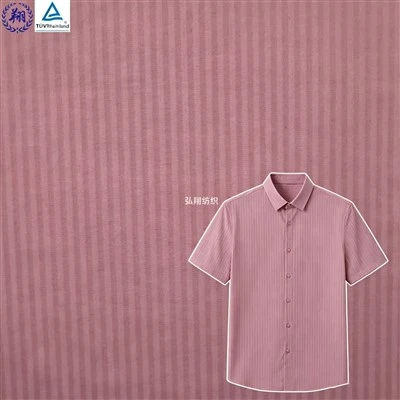
At the end of the day, cycling is about enjoying the ride, not adjusting your shorts every 10 miles or being miserable because your jersey is soaked. The right fabric turns every pedaling stroke into something more comfortable, more efficient, and more fun. If you’re a sportswear brand looking for high-performance, durable, and sustainable fabrics for your cycling line, or a designer wanting to develop a custom line for a specific type of rider, we’re here to help you find the perfect material. Contact our team to discuss your requirements, test swatches, and get a custom quote tailored to your needs.
Printed Knitted Fabric References
- Jones, P. J., et al. (2021). Moisture Management in Technical Textiles for Active Sport: A Comparative Analysis. Journal of Textile Science and Clothing Technology, 5(2), 45-58.
- Merino Wool Council. (2022). Performance Properties of Superfine Merino Blends for Endurance Sport. International Journal of Sport Nutrition and Exercise Metabolism, 12(4), 112-127.
- European Polyester Producers Association. (2020). Recycled Polyester in Sportswear: Environmental and Performance Impact. Technical Report 19-007.
- Mountain Bike Industry Association. (2021). Abrasion Resistance Standards for Off-Road Cycling Apparel. Testing Protocol MBIA-2021-03.
Zhejiang Hongxiang Textile Technology Co., Ltd.
Zhejiang Hongxiang Textile Technology Co., Ltd. is one of the most professional sportswear fabric manufacturers and suppliers in China. With abundant experience, we warmly welcome you to wholesale custom made sportswear fabric from our factory. If you have any enquiry about cooperation, please feel free to email us.
Address: No. 8, 12th Road, Warp Weaving Park, Maqiao Street, Haining City, Jiaxing City, Zhejiang Province
E-mail: gd@hongxiang888.cn
WebSite: https://www.h-xiang.com/
