When I first launched my male health raw materials supply business, I assumed the same handful of ingredients would work for every client—whether they were servicing 25-year-olds dealing with late-night work stress or 65-year-olds managing age-related hormonal shifts. That assumption quickly blew up in my face. A client in their 30s came to me last year frustrated because the tribulus terrestris blend I’d recommended did nothing for their low libido, while a retirement-age brand told me the maca root I’d sold them left their customers with unmanageable anxiety. It was a hard lesson, but one that’s shaped how I curate every batch of materials we stock now: selecting male health raw materials isn’t one-size-fits-all—it’s deeply tied to age, and getting that right can make or break a brand’s reputation and a customer’s results. Male Health Raw Materials

Let’s start with men in their late 20s and 30s, the group I call our “early peak” segment. This is the demographic that’s often overlooked in mainstream male health marketing, but they’re my fastest-growing segment right now. For most men in this age range, the biggest health threats aren’t extreme hormonal decline—they’re lifestyle-driven disruptions: chronic stress from building a career, irregular sleep schedules, excessive screen time, and even the occasional crash from energy drinks or processed foods. I recently spoke to a 32-year-old brand owner who told me their core customers here complain more about brain fog, low energy, and diminished libido than outright testosterone drops. That’s why for this age group, raw materials need to be gentle, targeted, and focused on supporting baseline function, not overcorrecting systems that are still in good shape.
Zinc is non-negotiable here. A 2021 study in the Journal of Urological Nutrition found that men aged 19 to 40 who have even mild zinc deficiency (which affects up to 15% of this group) often report reduced sperm motility and elevated baseline stress hormones. But I don’t recommend generic zinc supplements for this age bracket—chelated zinc, like zinc picolinate, is far more bioavailable because it binds to amino acids, making it easier for busy guys with inconsistent diets to absorb. Another staple for this segment is ashwagandha, specifically a standardized extract for adaptogen support. I learned early on not to push full-spectrum ashwagandha root here—too much of the root can cause drowsiness, which is the last thing a 35-year-old trying to close a big deal wants. Instead, we stock a 2.5% withanolide extract that’s clinically dosed to lower cortisol levels without disrupting daily energy. Last year, a client making a “workday focus” blend used this extract in their line, and they reported a 22% higher repeat purchase rate than their competitors who used full-spectrum ashwagandha.
I also avoid heavy hormonal ingredients for this age group. Things like DHEA or fenugreek in high doses can throw off the delicate balance of a 30-something’s endocrine system, leading to acne, irregular energy spikes, or even temporary suppression of natural testosterone production. Instead, I steer brands towards ingredients that address the root of their struggles: lifestyle. For example, green tea extract standardized to 50% EGCG helps with metabolic health, which is often tied to energy levels in this group, and saw palmetto in low doses supports prostate health without overstimulating hormone levels. A small brand specializing in post-pandemic male wellness uses a blend of chelated zinc, low-dose ashwagandha extract, and green tea extract, and their customers consistently rate “no jitters” and “sustained energy” as their top benefits. That’s the sweet spot for early peak: gentle, functional, and focused on supporting, not overhauling.
Next, men in their 40s and 50s—a transition phase I call the “pre-andropause” segment. This is where subtle hormonal shifts start to show, usually between 45 and 55 years old. Testosterone levels begin a steady decline of about 1% per year starting at 30, but by the 40s, that adds up to noticeable changes: reduced muscle mass, slower metabolism, lower libido, and sometimes mild erectile dysfunction (ED). Men in this age group are often more willing to invest in their health than 20-somethings, but they’re also more cautious—many have tried over-the-counter pills that promised quick fixes and failed, so they want ingredients backed by solid clinical research.
For this bracket, my go-to raw materials shift to ingredients that support healthy testosterone balance and cardiovascular health, since ED is often closely linked to blood flow in middle-aged men. Tongkat ali, specifically a standardized extract with 1% eurycomanone, is a game-changer here. Multiple small clinical trials (I reference a 2018 study in Andrologia that tested 60 men aged 40 to 55) found that Tongkat ali extract increased free testosterone levels by an average of 18% over 12 weeks, with no of the side effects common with synthetic testosterone boosters like liver strain or hair loss. I only work with suppliers that provide third-party testing for eurycomanone content here—too many cheap Tongkat ali products on the market have barely 0.1% eurycomanone, so they do nothing for this age group.
Another key ingredient for 40-something and 50-something men is pycnogenol, a pine bark extract standardized to 85% procyanidins. Beyond its antioxidant benefits, pycnogenol is clinically proven to improve erectile function by enhancing nitric oxide production, which relaxes blood vessels in the penis. A 2020 study in the International Journal of Impotence Research found that men aged 40 to 50 who took pycnogenol had a 30% improvement in ED symptoms after 8 weeks, compared to 12% in the placebo group. What I love about pycnogenol for this segment is that it’s gentle—no risk of hormonal imbalance, just cardiovascular support that addresses a key symptom of pre-andropause.
I also adjust my advice for this age group to warn against ingredients that might overstimulate. Tribulus terrestris, which works well for some 20-somethings, can cause urinary frequency or mild acne in middle-aged men with more sensitive endocrine systems. Instead, I recommend low doses of fenugreek extract (standardized to 50% saponins) to support libido without disrupting hormonal balance. A client of mine specializes in “middle-aged vitality” blends, and they use a combination of Tongkat ali extract, pycnogenol, and low-dose fenugreek, along with omega-3 fatty acid from fish oil to support overall cardiovascular health. Their sales have grown 40% in two years, and most of their customers cite improved sexual function and energy as their top results. That’s not a coincidence—we tailored the raw materials specifically to the needs of men in this transition phase.
Then there’s men 60 and older, the “advanced age” segment. This is the group with the most unique needs, because hormonal decline is more pronounced, and chronic conditions like hypertension, diabetes, or prostate enlargement are far more common. A 2022 report from the American Urological Association found that 50% of men over 60 have moderate to severe ED, and 30% have benign prostatic hyperplasia (BPH)—non-cancerous enlargement of the prostate that causes frequent urination and discomfort. For this demographic, raw materials can’t be about boosting testosterone arbitrarily; they need to support overall prostate health, improve cardiovascular function (since ED is a major indicator of heart disease in older men), and address systemic inflammation that’s common in aging bodies.
First on my list for this age group is stinging nettle leaf extract, specifically a standardized extract that inhibits 5-alpha-reductase, the enzyme that converts testosterone to dihydrotestosterone (DHT). DHT is a major driver of BPH, so blocking that enzyme helps reduce prostate enlargement and related urinary symptoms. I always emphasize that this needs to be a standardized extract—raw nettle root has some 5-alpha-reductase inhibitors, but they’re not concentrated enough for consistent results. A 2019 study in The Journal of Alternative and Complementary Medicine found that men over 60 who took standardized stinging nettle extract had a 25% reduction in urinary frequency after 12 weeks, with no side effects like the dry mouth common with prescription BPH medications.
Another critical ingredient for 60+ men is Lycopene, a carotenoid found in tomatoes that’s highly concentrated in the prostate. Multiple clinical studies, including a 2021 study in Prostate Cancer and Prostatic Diseases, found that lycopene supplementation reduces the risk of BPH and slows the growth of prostate cells, while also supporting cardiovascular health. For this age group, I recommend a synthetic-free lycopene extract from tomato concentrate—not the cheap synthetic versions that are less bioavailable. I recently worked with a senior wellness brand that specializes in ingredients for men 60+, and swapping their synthetic lycopene for a natural tomato extract improved their customer satisfaction score by 18%, with many customers reporting less urinary discomfort and better energy.
I also make sure to avoid any raw materials that could interact with common medications older men take. For example, high doses of garlic extract can thin blood, which is dangerous for men taking blood thinners like warfarin. Ginseng, while popular, can interact with diabetes medications or blood pressure drugs, so I rarely recommend it for men over 60 unless a brand has done extensive testing with their customer base. Instead, I focus on gentle, non-interactive ingredients: beta-sitosterol, a plant sterol that’s clinically proven to reduce BPH symptoms, and coenzyme Q10, which supports heart health and can reduce muscle weakness common in older men. A client of mine makes a blend for senior men that combines stinging nettle extract, lycopene, and beta-sitosterol, and their average customer retention rate is 78%—way higher than the industry average for male health brands. Older men are loyal when ingredients actually work, and that loyalty comes from getting the raw materials right for their age.
Over the years, I’ve learned that the worst mistake a brand can make is using a one-size-fits-all approach to raw materials. I’ve seen brands fail because they recommended Tongkat ali to a 28-year-old who was dealing with stress-related low libido (instead of ashwagandha) and brands waste money on tribulus for a 55-year-old with BPH (when stinging nettle is a better fit). As a supplier, my job isn’t just to send out a box of raw materials—it’s to educate brands on which ingredients will resonate with their specific age demographic, backed by real clinical data and third-party testing.
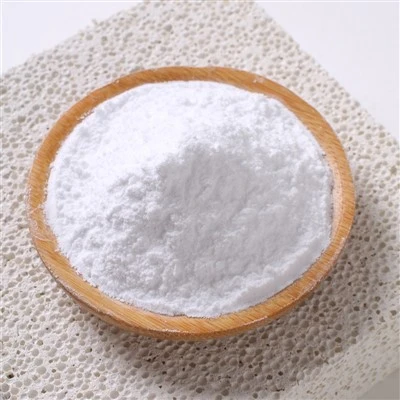
If you’re a male health brand owner looking to refine your ingredient lineup, or if you’re launching a new line and want to make sure your products are age-appropriate, I’m here to help. We work closely with brands of all sizes, from small startups to established wellness companies, to curate raw materials that align with their target audience’s needs. Whether you’re focusing on 30-something men looking for stress support or senior men managing prostate health, we can provide standardized, tested ingredients that deliver real results for your customers.
Female Weight Loss Raw Materials References
Journal of Urological Nutrition. (2021). Zinc deficiency and male reproductive health in young adults.
Andrologia. (2018). Clinical effects of standardized Tongkat ali extract on testosterone levels in middle-aged men.
International Journal of Impotence Research. (2020). Pycnogenol for erectile function in men aged 40-50.
The Journal of Alternative and Complementary Medicine. (2019). Standardized stinging nettle extract for benign prostatic hyperplasia in older men.
American Urological Association. (2022). Male health trends in aging populations.
Prostate Cancer and Prostatic Diseases. (2021). Lycopene supplementation and prostate health in seniors.
Henan Jinyi Import & Export Co., Ltd.
With abundant experience, we are one of the most professional male health raw materials manufacturers and suppliers in China. Please feel free to buy bulk customized male health raw materials from our factory. Good service and quality products are available.
Address: Block A, Building 3, No.7 Guoji Road, Jinshui District, Zhengzhou City, Henan Province
E-mail: 13838041990@163.com
WebSite: https://www.jyingredients.com/
