If you’ve ever grabbed a generic bottle of allergy meds or a budget pack of pain relievers from your local pharmacy, you already know the core value of generic drugs: they deliver the same active ingredients, strength, and efficacy as brand-name medications, but at a fraction of the cost. As a supplier focused exclusively on high-quality generics, I get daily inquiries from pharmacists, hospital procurement teams, and even individual customers asking one question that always stops me short: “Why can’t I find [X] generic? It’s been decades since the brand name came out.” It’s a question that doesn’t get enough attention outside our small corner of the pharmaceutical industry, and it’s one that I’ve spent years digging into to explain to my own clients. Generic Drug

Let’s start with the basics to set context: generics copy brand-name drugs only once the original’s patent protection expires. That system works for most medications, but for some of the most widely prescribed drugs around, that patent expiration has come and gone, and there’s still no generic alternative on the market. The gap isn’t for lack of demand or lack of desire on my end as a supplier. Our team spends hours every week researching which drugs would make the most sense to produce, weighing everything from production complexity to regulatory hurdles to the size of the patient population that relies on them. We’ve passed on opportunities to make generic versions of drugs that seemed like no-brainers on paper, simply because the real-world barriers to manufacturing and getting them approved are so steep.
One of the biggest hurdles I’ve encountered is what the FDA calls “complex generic manufacturing.” Not all drug ingredients are created equal, and some are far harder to replicate than others. For example, a simple oral tablet like ibuprofen has a straightforward formula, a clear manufacturing process, and a wealth of pre-existing data that regulators can use to approve a generic quickly. But take a drug like a long-acting injectable insulin or a biosimilar version of a monoclonal antibody. These aren’t just small molecules—they’re large, intricate proteins made in living cells, with manufacturing processes that are proprietary to the original brand. Replicating that process requires building entirely new facilities, sourcing specialized raw materials, and training a team of chemists and technicians who understand the unique nuances of biologic production. Last year, our team looked into a generic version of a commonly prescribed long-acting asthma inhaler, only to discover that the device’s active ingredient had a very specific particle size that had to be consistent down to the nanometer level. Sourcing the equipment needed to produce that particle size cost more than twice what we’d budgeted for a standard oral medication, and the time required to validate the process would have pushed our launch timeline past two years. For a small to mid-sized generic supplier like ours, that kind of investment is simply too risky. We can’t tie up millions in capital on a product that might not turn a profit for another three years, especially when there are other less complex drugs we can produce and bring to market faster.
Patent laws add another layer of confusion, because even when a drug’s main composition patent expires, there are often dozens of “secondary patents” that extend the brand’s exclusivity. These patents aren’t just about the active ingredient—they cover things like the drug’s delivery method, its dosage form, even the way it’s packaged or stored. For example, a brand might hold a patent on a slow-release coating that makes a drug last 12 hours instead of 4, and that patent won’t expire until a decade after the main ingredient patent. That means a generic manufacturer can’t legally produce a version of the drug with that same 12-hour coating, at least not without going through a lengthy legal fight to challenge the patent. I’ve seen that play out with a generic version of a popular blood pressure medication that our team wanted to launch two years ago. The main patent had expired, but the brand had a patent on a special filtration process used to purify the active ingredient. We spent six months working with intellectual property lawyers to assess the risk of challenging that patent, and ultimately decided it wasn’t worth the cost. The legal fees alone would have been more than our projected revenue from the generic for the first two years, and there was no guarantee we’d win. That’s not a choice we can make lightly—our business model relies on making drugs accessible, not betting the company on patent litigation.
Regulatory approvals are another major bottleneck, even when a drug’s patents are clear and manufacturing seems doable. The FDA (and equivalent agencies around the world, like the EMA in Europe) requires generic manufacturers to prove that their product is “bioequivalent” to the brand-name version. That means the generic has to be absorbed into the bloodstream at the same rate and to the same extent as the original, so patients get the same effect. For most oral tablets, that means a relatively simple clinical trial—usually a study with a small number of healthy volunteers, measuring blood levels of the drug over a few days. But for drugs that are taken by people with chronic conditions, or that have a narrow therapeutic index (meaning the difference between a safe dose and a dangerous dose is tiny), those trials get far more complicated. Take warfarin, a commonly prescribed blood thinner that has been around for decades. It’s a drug where a small change in absorption can mean the difference between preventing a stroke and causing dangerous bleeding. To prove bioequivalence for warfarin, a generic manufacturer can’t just test healthy volunteers—they have to test patients who are already taking the brand-name drug, monitoring their response closely to ensure the generic works the same way. Those trials cost more, take longer, and require coordination with clinics all over the country. For a drug like that, the FDA also requires more detailed safety data, because even small deviations in the generic could have life-threatening consequences. Our team looked into producing a generic version of warfarin a few years back, and the trial costs alone made the project unfeasible for our size. Big pharma giants with deep pockets can absorb those costs, but smaller generic suppliers like us can’t, which is why those drugs remain unavailable to most pharmacies and hospitals.
Supply chain complexity plays a role too, especially for drugs that rely on specialized raw materials. A few years ago, I tried to source a key raw material for a generic version of a popular diabetes drug, only to discover that there was only one supplier in the world that made it. That supplier had exclusive rights to the chemical formula, and they were only producing enough to fulfill the brand’s needs. Without that raw material, we couldn’t manufacture the generic, no matter how ready our facility was. In some cases, brand-name manufacturers have intentionally limited access to key raw materials to keep generic competitors out—something the FDA has started cracking down on, but it still happens. Last year, our team had to pause work on a generic antibiotic because the raw material supplier ran into a production delay, and it would have taken six months to secure an alternative source. For antibiotics, time is critical—delaying access to a generic could mean higher healthcare costs and more infections, which is why supply chain bottlenecks are so frustrating for us as suppliers and for patients waiting for the drug.
I also want to be honest about a less talked about factor: market demand. Not every drug has enough patients to make producing a generic profitable. We’re a business, just like any other, and we have to make choices that keep our operations running and our prices low. For a drug that’s prescribed to a small number of people—say, a rare cancer medication or a treatment for a very specific genetic condition—there might only be a few thousand patients in the U.S. who need it. The revenue from selling that generic would be nowhere near enough to cover the costs of manufacturing, regulatory approval, and marketing. That’s not because the drug is too complex or the patents are too strict—it’s because there aren’t enough buyers to make it worth our while. I’ve had pharmacists come to me asking for a generic version of a rare pediatric seizure medication, and I wish I could say yes. The demand is there, the patents are expired, and the manufacturing is manageable. But with only 10,000 patients nationwide, the numbers just don’t add up. It’s a hard truth, but it’s one that we can’t ignore if we want to keep producing the thousands of generics that are already accessible to most people.
None of this means that generics are less safe or less effective than brand-name drugs—far from it. The generics we do produce save the U.S. healthcare system more than $1 trillion every year, according to the FDA, and that’s a figure I’m proud to contribute to. The gap I’m talking about isn’t a failure of the generic drug system—it’s a result of the unique challenges of manufacturing, regulation, and business that come with replicating some medications. For a lot of people, that means paying more for brand-name drugs than they should, or struggling to find a generic alternative when their doctor prescribes a medication. As a supplier, that’s a gap we’re working to close, one drug at a time.
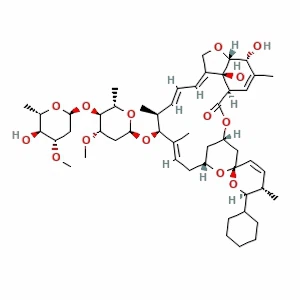
If you’re a pharmacist, hospital procurement manager, or healthcare provider looking to source generic medications for your patients, or if you have questions about our current product line, I encourage you to reach out to our team to discuss your needs. We’re always looking for ways to expand our offerings and make more generics accessible to more people, and we’re ready to partner with you to find solutions that work.
Anti-depression References:
- U.S. Food and Drug Administration. (2024). Generic Drugs: What They Are, How They Work, and Their Benefits.
- Food and Drug Administration. (2023). Complex Generic Manufacturing Challenges and Regulatory Pathways.
- American Medical Association. (2022). The Impact of Patent Extensions on Generic Drug Availability.
- Centers for Medicare & Medicaid Services. (2024). Generic Drug Savings in the U.S. Healthcare System.
- Pharmaceutical Research and Manufacturers of America. (2023). Secondary Patents and Generic Competition: Industry Analysis.
BrightGene Health
BrightGene Health is one of the leading generic drug manufacturers and suppliers in China. We warmly welcome you to wholesale bulk generic drug in stock here from our factory. All our products are with high quality and competitive price.
Address: T2-805, European and American Financial City, Cangqian Street, Yuhang District, Hangzhou
E-mail: sales@brightgenehealth.com
WebSite: https://www.brightgene-health.com/
