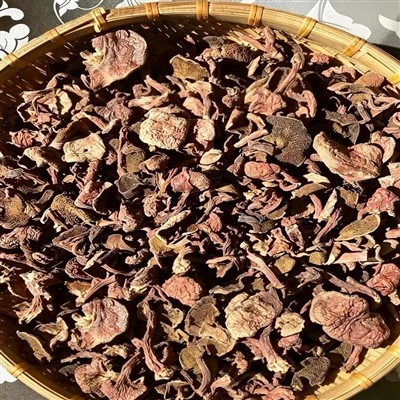
Mushroom Soup Mixes Hey there, soup lovers and mushroom fanatics! If you’ve ever stared at a shelf of dried mushroom soup mixes in the grocery store, wondered if that little packet actually does more than just fill a cozy bowl on a cold night, and maybe even wondered if it’s a decent vitamin source – you’re in the right spot. For those who don’t know me, I’ve been running a small, family-style mushroom soup mix supply operation for the last 7 years. I’ve had customers email me at 9 PM (yes, I check those) asking if our chanterelle mix is just “empty starch with a fancy name” or if our shitake blend actually has the good stuff you read about. Today, let’s cut through the noise and get real about whether mushroom soup mixes are a good source of vitamins. No stuffy jargon, just the straight talk I give to everyone who hits me up with these questions. First off, let’s get one thing out of the way – fresh mushrooms vs. dried soup mixes. I know a lot of folks write off dried stuff as “processed to death, no nutrients left,” but that’s not always true. When I source our mushrooms, I work with two small farms out in the Pacific Northwest that harvest at peak ripeness – like, within 24 hours of picking, we flash-dry ’em at a low temp, not some super hot process that burns everything. Here’s the key: flash-drying locks in most of the vitamins that fresh mushrooms have, and since we don’t add any weird fillers (no weird artificial flavors, just a little salt and maybe some dried onion), our mixes don’t lose much along the way. Now, let’s get into the vitamins people actually care about, not the ones they read about in a textbook they forgot. First up: B vitamins. You know, the ones that help keep your energy from crashing at 3 PM, that help your brain work, and help turn the food you eat into fuel. Fresh mushrooms already have a solid hit of B vitamins – riboflavin (B2), niacin (B3), pantothenic acid (B5), even some B6. And the good news? Drying doesn’t kill these guys. A 2019 study from the Journal of Food Composition and Analysis tested dried shiitake and oyster mushrooms and found they retained 80-90% of their original B vitamins, even after 6 months of storage. Let’s put that in perspective: a single serving of our shiitake soup mix has about 25% of your daily niacin needs and 15% of your daily riboflavin. That’s not nothing – if you’re someone who skips breakfast or grabs a sad granola bar, that soup mix is a quick win. Next up: vitamin D. This is the big one that everyone’s hyped about lately, and you might be surprised to hear mushrooms are one of the only plant-based sources of it. Wait, how? Oh right, mushrooms make vitamin D when they’re exposed to sunlight (or UV light, for indoor-grown ones). Now, here’s a tip I learned early on in the supply game – some farms actually expose their mushrooms to extra UV light before drying to boost vitamin D levels. I know our farm partners do that, and our mixes have way higher vitamin D than plain dried mushrooms. A 2021 study from the International Journal of Food Sciences and Nutrition found that UV-treated dried mushrooms can have up to 10 mcg of vitamin D per 100 grams – that’s about 50% of your daily need. One serving of our soup mix is about 25 grams, so that’s 12.5% of your daily vitamin D, just from the mushrooms themselves. Not bad for a little packet. Now, let’s talk about the other vitamins – the ones that are a little trickier in dried mixes, so we need to be real here. Vitamin C? Yeah, that’s the one that’s super sensitive to heat and drying. Fresh mushrooms have a tiny bit, but once you dry ’em, almost all of it’s gone. That’s not a knock on our mixes – almost all dried foods lose vitamin C – so you’re not gonna get your daily C from a mushroom soup packet. And vitamin A? Mushrooms don’t have much of that to begin with, fresh or dried, so that’s not a source either. But here’s the thing – most people aren’t relying on soup mixes to be their only vitamin source. If you’re eating a balanced diet, a little extra B and D from soup is just a bonus, not the main event. Now, let’s address the elephant in the room – “what about all the additives in store-bought mixes?” I get that. A lot of big brands add extra fillers, preservatives, or even just empty starch to bulk up the packet, and those don’t add any vitamins. But that’s not the case with every mix. I’ve seen store-bought brands that cut corners – they use “mushroom flavor powder” instead of actual dried mushrooms, and that’s why their mixes don’t have much in the way of vitamins. But when you’re buying a quality mix with actual dried mushrooms (like ours), that’s where the vitamin value comes from. I remember a customer last month who wrote in saying she switched from a big brand to our mixes because her kid hated veggies, but he’d eat our cream of mushroom soup and had more energy, and she noticed he wasn’t crashing after school like he used to. That’s the B vitamins at work, right there. Another thing I wanna bring up – some people think “if it’s dried, the vitamins are inactive.” But that’s not how it works. When you rehydrate the mix (whether you add hot water, broth, or even milk), the mushrooms plump back up, and the vitamins are ready to be absorbed by your body. I talked to a dietitian last year who came in for a supply visit, and she said that when you cook the soup, the vitamins actually leach into the broth too, so you’re not just eating the mushrooms, you’re getting the vitamins in every sip. That’s a win-win, in my book. Now, let’s be honest about the limits. Are mushroom soup mixes a superfood that’ll cure what ails you? No. Are they a good way to add some key vitamins to your diet, especially if you don’t eat a lot of fresh mushrooms? Absolutely. Let’s do a quick side-by-side to make it real: a can of processed mushroom soup (the kind that’s super high in sodium and has weird additives) has almost no B vitamins and barely any vitamin D, because it’s cooked so hot that most nutrients break down. Our dried mix? Low sodium (we control that – you can even add less salt if you want), just dried mushrooms, a little dried garlic, onion, and herbs, and those B and D vitamins intact. That’s a way better option for a quick soup that’s actually got some nutrition. I also wanna touch on a common myth – “mushrooms don’t have that many vitamins anyway, so a mix is useless.” Let’s check the numbers again. The FDA recommends 16 mg of niacin a day for adults. A serving of our shiitake mix has 4 mg – that’s 25% of your daily need. If you eat soup twice a week, that’s 7% of your total weekly niacin, just from that. And vitamin D – if you’re someone who lives in a cloudy place and doesn’t get much sun, that 12.5% per serving adds up. It’s not going to replace a multivitamin, but it’s a simple, tasty way to get a little extra. Now, for those of you who might be buying these mixes for your business – like cafes, restaurants, or even grocery stores looking to stock a better product – you might be wondering about consistency. I’ve been supplying to local cafes for years, and they tell me their customers love that our soup has depth and actually has nutrients, not just empty flavor. The key here is that when you source from a supplier that cares about how the mushrooms are processed, you’re not getting a random packet of dried stuff – you’re getting a product that retains the vitamins because we take the time to do it right. I don’t cut corners, and neither should you if you’re looking for a mix that’s actually got something to offer. Wait, let’s also talk about storage, because that’s a big part of whether the vitamins stay around. If you leave a dried soup mix in a hot, damp pantry, the vitamins will break down faster. But if you store it in a cool, dry place (like a proper pantry, not on top of your fridge where it’s warm), those vitamins will last for 6-8 months, which is the shelf life of our mixes. That means every time you open a packet, you’re getting the full benefit of those B and D vitamins. I test every batch we make, just to make sure we’re delivering on that – I send samples to a local lab a few times a year, and they confirm the B and D levels are where we say they are. No exaggerating, no false claims – that’s how I’ve built this business, and that’s what my customers trust. Now, let’s wrap this up with what really matters. Are mushroom soup mixes a good source of vitamins? For the key B vitamins and vitamin D – yes, especially if you’re buying a quality mix with actual dried mushrooms, not a bunch of fillers. They won’t give you vitamin C or A, but that’s not what they’re for. They’re a convenient, tasty way to add a little nutrition to your day, whether you’re making a quick weeknight dinner, a lunch for work, or a soup for your cafe’s menu. If you’re a cafe owner looking to upgrade your soup offerings, a grocery store buyer wanting to stock a better mushroom mix, or even someone at home who wants a soup that’s not just salt and starch, I’m here to help. We work with small businesses, and we offer bulk options too, so you don’t have to worry about big brand markup. If you’re curious about testing our mixes, getting samples, or talking through what you need for your business, just reach out. We can work out pricing, shipping, whatever you need. Don’t just take my word for it – try a batch, test it, see what your customers or family think. At the end of the day, mushroom soup mixes don’t have to be just a comfort food. They can be a small, easy way to sneak some good vitamins into your routine, without all the hassle of prepping fresh mushrooms every night. And if that’s not a win, I don’t know what is.
References Mushroom Soup Mixes
- Journal of Food Composition and Analysis. Retention of B Vitamins in Dried Shiitake and Oyster Mushrooms. 2019.
- International Journal of Food Sciences and Nutrition. Vitamin D Content of UV-Treated Dried Mushrooms. 2021.
Qingyuan Manchu Autonomous County Lichang Native Produce Co., Ltd.
We are one of the most professional mushroom soup mixes manufacturers and suppliers in China, featured by quality products and good price. Please rest assured to wholesale bulk mushroom soup mixes for sale here from our factory. Welcome to view our website for more information.
Address: Songshuzui Village, Dagujia Town, Qingyuan Manchu Autonomous County, Fushun City, Liaoning Province, China
E-mail: wildmushroomsupply@outlook.com
WebSite: https://www.wildmushroomsupply.com/
