Hey there, it’s Mia from the antistatic PVC supply team — if you’ve ever worked with electronic components, cleanrooms, or anything static-sensitive, you know how easy it is to mess up that stuff we sell. Antistatic PVC isn’t like regular plastic — it’s got that special additive that stops static from building up, but only if you maintain it right. A lot of folks hit us up saying their sheets or rolls stopped working after a few months, and 9 times out of 10, it’s just bad maintenance. So let’s break this down like we’re chatting over coffee, no fancy jargon, just real tips we’ve picked up from years of supplying this stuff. Antistatic PVC

First off, let’s get one thing straight: what even makes antistatic PVC different from the clear vinyl you use for desk mats? The core difference is conductive or dissipative additives we mix in during extrusion — usually carbon black, proprietary polymers, or sometimes metal fibers (but we stick to the non-toxic ones for cleanroom use). These additives create a low-resistance path for static to bleed off, instead of letting it build up and zap a microchip or mess with sensitive lab equipment. But here’s the catch: that path only works if the surface stays intact and free of gunk that blocks it. Skip maintenance, and the dirt, oils, or scratches will cover those pathways, turning your antistatic PVC into just regular plastic.
Let’s start with cleaning, because that’s the biggest mistake people make. A lot of folks grab whatever cleaner’s under their sink — window spray, all-purpose disinfectant, even hand sanitizer — and go to town. Bad move. Regular cleaners often have ammonia, alcohol, or harsh surfactants that strip the antistatic additives right off the surface, or break down the PVC matrix, leaving tiny cracks where dirt can get stuck. We get asked all the time, “Can I use Windex on your sheets?” Nope. Here’s the right way, per the testing we do in our lab: use a mild, pH-neutral soap (the same stuff you use to wash delicate glasses) mixed with lukewarm water, and a soft microfiber cloth — no scouring pads, no paper towels (they leave lint and scratch way too much). Gently wipe the surface in straight lines, not circular, to avoid swirling scratch marks that trap static. For really tough grime, like dry solder flux or adhesive residue, a tiny dab of isopropyl alcohol (90% or lower — 70% is actually better here, no need for super strong stuff) works, but blot it immediately with a clean cloth, don’t let it sit. Another pro tip: don’t clean your antistatic PVC more often than you have to. Every wipe is a tiny risk — if there’s no visible dirt or smudge, just a quick once-over with a dry microfiber cloth is enough.
Next up, handling and storage. This is where a lot of people overlook simple habits, and it messes up the antistatic properties before they even use the product. When we ship your antistatic PVC, it’s usually rolled on a cardboard core, sometimes wrapped in anti-static poly sheeting for extra protection. Don’t store it out in the open, leaning against a wall or crumpled in a corner of your warehouse. Static builds up when materials are pressed against ungrounded surfaces, and if you leave it in direct sunlight, the UV rays break down the antistatic additives over time. The best storage spot is a cool, dry area — 60-75°F (15-24°C) and 40-60% humidity, if you can swing it — laid flat on a shelf, or kept rolled if that’s easier (just don’t unroll it until you’re ready to use it, to avoid creases that act like static hotspots). When you’re cutting or moving the PVC, wear cotton gloves, not latex or nitrile — those can leave powder residue that blocks the conductive path. And never drag sheets across concrete or metal floors; lift them, or set them down on a clean, soft mat first. We’ve had clients who unrolled a 10ft sheet, dragged it across their workshop floor, and then complained it didn’t work — turns out all the metal dust from the floor coated the surface, and the scratches from dragging messed up the internal additives.
Scratches and cuts are another big one. Wait, why do small scratches matter? Those thin conductive pathways we mentioned are super thin — like, nanometers thick — so a deep scratch can slice right through them, creating a gap where static gets trapped. Minor surface scratches (like light scuffs from moving equipment) are no big deal, but if you have deep gouges, or edges that are frayed from cutting, that’s where the problem starts. A quick fix for small gouges: use a PVC repair adhesive that’s designed for antistatic materials, not regular PVC glue. Regular glue will create an insulating layer, which kills the antistatic properties. We stock these adhesives in small tubes for clients who need touch-ups, and we always recommend testing a tiny spot first — just dab a little glue on a hidden scuff, let it dry 24 hours, and check the surface resistance with a multimeter if you have one (more on that later). If you’re cutting your own sheets, use a sharp utility knife or a PVC-specific cutting tool, not a pair of scissors that’ll crush the edges. Crushed edges create micro-cracks that let dirt seep in, and those cracks are perfect for static to build up in.
Grounding is non-negotiable — and we’re not just talking about any grounding. A lot of folks hear “antistatic needs grounding” and just plug the mat’s grounding cord into a regular wall outlet. That’s wrong. Regular outlets don’t have a proper earth ground, so the static can’t bleed off. You need a proper grounding point — a dedicated ground rod, or a metal pipe that’s connected to your building’s electrical ground (not a gas pipe, by the way, that’s a huge fire risk). Also, don’t daisy-chain multiple antistatic PVC mats together without a proper bonding strap — each mat needs its own ground connection, or they’ll act as separate insulators. If you’re using PVC sheets for a workbench, make sure the entire surface is connected to the ground, no gaps. And check the grounding cord regularly — if it’s frayed, or the plug is loose, that’s a problem. We always send replacement grounding cords with bulk orders, and we tell clients to check them every month, especially in high-traffic workshops where cords get stepped on.
Wait, what about resistance testing? How do you know your antistatic PVC is still working? A lot of people don’t bother, and then they get surprised when a static discharge ruins a batch of parts. The test is super easy, no fancy lab gear needed (you can pick up a simple surface resistance multimeter for under $50). The right range for good antistatic PVC is between 10^6 and 10^12 ohms per square — that’s the sweet spot where static bleeds off fast, but doesn’t cause a shock to people. If your reading is below 10^6, it’s getting too conductive (usually from being exposed to too much moisture, or contaminated with metal dust) — if it’s above 10^12, it’s become an insulator (usually from being cleaned with harsh chemicals, or UV damage). Test a few spots every 3 months — especially if you use it in a high-dust area or cleanroom, because those environments wear down the surface faster.
Also, common mistakes to avoid that no one talks about: Don’t use vinyl wraps or stickers on top of your antistatic PVC. The adhesive on those wraps can block the conductive pathways, and the plastic wrap itself is an insulator. If you need to mark your mat, use a water-based marker — not a permanent marker, which has solvents that can damage the PVC. And don’t leave food or drinks on your antistatic PVC — soda spills, grease, or even water (too much of it) can seep into the surface and mess with the additives. A small spill is easy to clean, but a big grease stain will soak in and create an insulating layer that’s hard to remove.
Let’s talk about what we see when clients come back with “broken” antistatic PVC. Last quarter, a client in the electronics assembly space sent us a sheet that was no longer working — they’d been using it for 8 months, cleaning it with alcohol every night, and dragging their parts bins across it. We tested it, and the resistance was 10^14 ohms — way too high. When we looked at the surface under a microscope, the alcohol had stripped the top antistatic layer, and the drag marks had broken the internal pathways. We explained that all they needed to do was switch to a mild cleaner, stop dragging bins, and test the resistance. A lot of times, it’s not the product being bad — it’s the use being wrong.
Another example: a cleanroom client who was storing their PVC sheets in a humid area, and noticed static was building up more. Turns out, too much humidity can actually make antistatic PVC too conductive — water molecules cling to the surface, creating a path that’s too low-resistance, so it starts holding static instead of bleeding it off. We told them to add a small dehumidifier in their storage area, and within a week, it was back to normal. That’s why humidity control matters — not too dry, not too wet, right around 40-50%.
So to wrap this up, here’s your quick maintenance checklist:
- Clean with pH-neutral soap + lukewarm water, microfiber cloth — no harsh chemicals.
- Store flat, cool/dry, UV-protected — not out in the open or crumpled.
- Handle with cotton gloves, lift sheets, don’t drag.
- Repair small scratches with antistatic-specific adhesive, not regular glue.
- Ground properly, no random wall outlets — use a dedicated earth ground.
- Test surface resistance every 3 months, keep it between 10^6 and 10^12 ohms/sq.
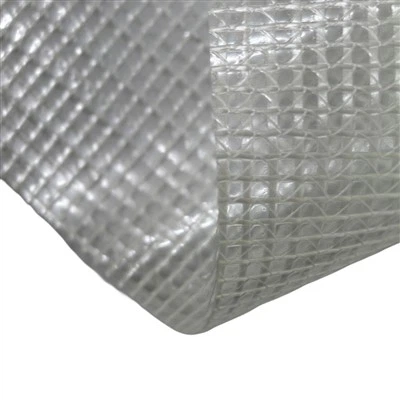
If you’re having issues with your current antistatic PVC, or you’re shopping for a reliable supply, we’ve been in this game for years — we supply tested, consistent antistatic PVC for all types of use cases, from workbenches to cleanrooms to packaging. Drop us a line, and we can walk you through your specific needs, or answer any questions you have about maintenance that didn’t cover here. We’re not the type to push a sale — we just want you to get the most out of your product, because we know how costly static issues can be.
Antistatic PVC References:
- Handbook of Antistatic Polymers and Composites, 3rd Edition, CRC Press, 2021
- ASTM Standard D257-19, Standard Test Methods for DC Resistance or Conductance of Insulating Materials
- Cleanroom Technology: Design, Testing, and Operation, 2nd Edition, Wiley, 2018
Nantong Dahe Composite New Material Technology Co., Ltd.
We’re well-known as one of the leading antistatic PVC manufacturers and suppliers in China, specialized in providing high quality customized products to global clients. Please feel free to wholesale cheap antistatic PVC in stock here from our factory. Contact us for quotation and free sample.
Address: South Side of Pinghai Highway, Pinghe Village, Dongshe Town, Tongzhou District, Nantong City, Jiangsu Province, China
E-mail: nantongdahe@outlook.com
WebSite: https://www.cndahetech.com/
