When you walk into a perfume shop, chances are the first scents that catch your nose are citrus. But if you’ve ever stopped to wonder why that is, you’re not alone. As someone who’s spent the last decade sourcing, blending, and selling citrus perfumes—first in my grandma’s small retail shop, now as a supplier for brands around the world—I’ve learned there’s way more to these fragrances than just a bright, fresh hit of orange or lemon. Their unique features aren’t just marketing fluff; they’re rooted in chemistry, history, and how our brains actually process scent. Let’s break down what makes citrus perfumes stand apart from every other category out there. Citrus Perfume

First, let’s talk about chemistry, because that’s where the uniqueness starts. Most perfume ingredients come from essential oils extracted from plant matter, and citrus is one of the only categories that uses a specific type of oil called “cold-pressed” oil. Unlike other oils, which are often steam-distilled, citrus peels—from lemons, limes, bergamot, mandarins—contain delicate volatile compounds that evaporate super quickly, and heat would destroy many of them. Cold-pressing (basically, squeezing the peel to release the oil) keeps those compounds intact: things like limonene, which gives citrus its zing, and terpenes, which add depth and that sharp, uplifting quality. That’s why a cold-pressed bergamot oil smells nothing like a synthetic bergamot note; it’s bright, almost juicy, with a subtle green edge from the peel’s inner layer. Most other perfume bases use steam distillation or solvent extraction, which can leave a heavier, more fixed scent. Citrus’s light, volatile nature is its first superpower.
But here’s where it gets even more interesting: our olfactory system is hardwired to respond to citrus. Humans have been using citrus for thousands of years for everything from food to medicine, and our brains associate that bright, fresh scent with safety and alertness. A 2017 study published in the Journal of Sensory Studies found that citrus scents reduce feelings of fatigue and improve cognitive performance in indoor spaces—think offices or homes—more than any other fragrance category. That’s why you’ll find citrus notes in everything from room sprays to laundry detergent, but in perfumery, it’s different. Citrus perfumes aren’t just “air freshener light”; they’re the top note of almost every fragrance ever made, but standalone citrus perfumes are a category of their own because they lean into that brain response to create a mood. I’ve had clients tell me their customers buy our citrus perfumes not just for the scent, but because they’re looking for a fragrance that doesn’t weigh them down on busy mornings—something that feels like a breath of fresh air without being overwhelming.
Another unique feature is their versatility, which comes from the variety of citrus ingredients we work with. Most people only think of lemon and orange, but there are dozens of citrus varieties used in perfumery, each with its own distinct character. Bergamot, for example, is famous for being in Earl Grey tea, but in perfumery, it’s slightly floral and a little bitter, with a hint of green that makes it perfect for unisex fragrances. Mandarin is sweeter than tangerine, with a softer, almost creamy edge, while grapefruit is sharper and more tart, with a dry, modern vibe. Then there are the rarer ones: yuzu from Japan, which has a unique tart-sweet balance; finger lime, which has a bright, almost effervescent quality; and citron, which is less common but adds a deep, earthy citrus layer. As a supplier, I source many of these from small family farms around the Mediterranean and East Asia, because the terroir (climate, soil, rainfall) changes their scent. A bergamot from Calabria, Italy, for example, has a brighter, more complex oil than bergamot grown elsewhere, because the warm, sunny days there help develop those volatile compounds. That terroir link is a big part of why citrus perfumes feel authentic—you’re not just smelling a synthetic copy of a fruit, you’re smelling the land it grew on.
Wait, but let’s address a common misconception: some people think citrus perfumes are “just” top notes, meaning they don’t last long. And it’s true that the pure cold-pressed oils do evaporate faster than, say, sandalwood or musk. But here’s the trick we’ve mastered as a supplier: we blend cold-pressed citrus oils with “fixatives” that slow down evaporation, but without hiding the citrus core. The key is using natural fixatives that complement, not compete, with the citrus. Things like jasmine absolute, white musk, or even a tiny bit of amber add depth so the perfume lasts for 4-6 hours, instead of 1-2 like a pure citrus top note. Some of our best-selling citrus perfumes are what we call “citrus heart” fragrances, where the citrus lingers as a soft base note after the initial zing fades. For example, our Yuzu Mandarin blend has a bright top of yuzu and lime, then a heart of mandarin and a hint of rose, and a base of white musk—so it feels fresh all day, not just the first hour. That’s a big difference from cheap synthetic citrus perfumes, which fade fast and smell artificial. Real citrus perfumes, when blended well, have layers that evolve on your skin, just like any other luxury fragrance.
Another unique trait is their gender neutrality. For decades, perfume marketing has split fragrances into “women’s” and “men’s” categories—floral, sweet for women; woody, spicy for men. But citrus perfumes have always broken that mold. Think of iconic fragrances like Acqua di Giò or Chanel No. 19, both loved by men and women, or our own unisex citrus blends that outsell gender-specific citrus lines. Why? Because citrus scents don’t carry the traditional “feminine” or “masculine” associations that florals or heavy woods do. They’re bright, clean, and versatile enough to work for any occasion—from a day at the office to a casual weekend out. I’ve had clients tell me that 70% of their citrus perfume sales go to customers looking for unisex options, which is a shift that started in the 2010s and has only grown. That inclusivity is part of citrus’s appeal; it’s a fragrance that feels approachable to everyone, not just a specific group.
Let’s also talk about how citrus perfumes interact with skin chemistry. Everyone’s skin is different—oily, dry, sensitive—and fragrances smell different on each person. Citrus is unique because it’s one of the few fragrance categories that tends to smell consistent across different skin types, instead of morphing into something unrecognizable. A musk perfume might smell sweet on someone with dry skin and sharp on someone with oily skin, but citrus stays true to its bright, zingy core. That’s because citrus compounds are lighter and don’t react as strongly with the oils in your skin. Of course, people with very sensitive skin might want to look for blends with natural, low-irritant ingredients (which is what we specialize in as a supplier), but even then, citrus is often a gentler option than heavy fragrances with synthetic chemicals.
Now, let’s get real about what sets citrus perfumes apart from the synthetic alternatives that flooded the market in the 2000s. A lot of cheap perfumes use synthetic limonene to mimic citrus, but that’s just the sharp, top note—no depth, no nuance. Real citrus perfumes use natural essential oils, which have hundreds of different compounds, so each one has a story. When a customer wears our bergamot perfume, they’re smelling the actual oil squeezed from Calabrian bergamot peels, harvested at the peak of ripeness. That’s why our perfumes smell richer, more complex, and more authentic than synthetic copies. As someone who’s worked with citrus oils for years, I can tell the difference instantly: synthetic citrus smells flat, like a cleaning product, while natural citrus has a warm, almost juicy undertone that feels alive.
So why does all this matter? Because citrus perfumes aren’t just a trend—they’re a category that’s stood the test of time. Citrus has been used in perfumery since ancient Egypt, where they burned citrus resins for religious ceremonies, and in medieval Europe, where people carried citrus peels to ward off bad smells and illness. Today, we’re seeing a revival of natural, ingredient-focused fragrances, and citrus is at the forefront of that. Customers are tired of synthetic fragrances that feel generic; they want something that smells real, that has a connection to the source, that makes them feel good. That’s exactly what citrus perfumes offer.
As a citrus perfume supplier, we’ve spent years refining our blends to highlight these unique features. We don’t cut corners on cold-pressed oils; we work directly with small farms to ensure fair practices and the highest quality ingredients. We create blends that are long-lasting, versatile, and inclusive, without losing that bright, uplifting citrus core. Whether you’re a brand looking to add a citrus line to your collection, or a buyer looking for unique, high-quality citrus fragrances, our focus is on delivering the authenticity that makes citrus perfumes stand out.
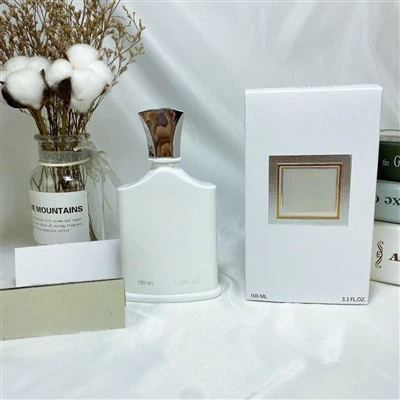
If you’re interested in exploring our citrus perfume offerings, testing our blends, or discussing custom formulations tailored to your brand, we’d love to connect. Reach out to us to start a conversation about how citrus perfumes can fit into your product line.
References
Perfume for Women Journal of Sensory Studies. 2017. Effects of citrus fragrance on cognitive performance and fatigue in indoor environments.
The Psychology of Scents and Smell. Alan R. Hirsch, MD. 2009.
Perfumery: The Psychology and Biology of Fragrance. Anne Simons. 2006.
Essential Oils in Perfumery: Chemistry and Technology. Robert Tisserand. 2015.
Chengdu Yiwan Commerce Co., Ltd.
We’re well-known as one of the leading citrus perfume manufacturers and suppliers in China. With abundant experience, we warmly welcome you to wholesale high quality citrus perfume in stock here from our factory. If you have any enquiry about custom service and OEM&ODM service, please feel free to email us.
Address: Room 2011, 20th Floor, Unit 1, Building 1, No. 18 Dongsi South 1st Road, High-Tech Zone, Chengdu, China
E-mail: wan@yiwan-store.com
WebSite: https://www.yiwan-store.com/
