Yo! I’m a supplier in the preservatives and biocides game, and I often get asked about the difference between synthetic and natural preservatives and biocides. So, I thought I’d share my thoughts on this hot topic. Preservatives & Biocides
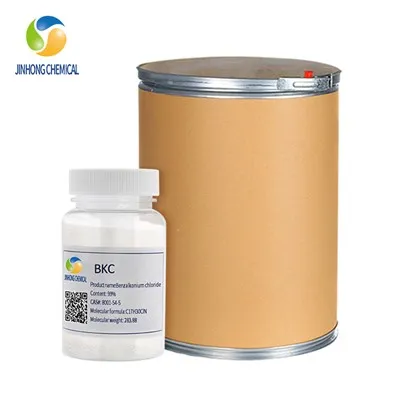
Let’s kick things off by understanding what preservatives and biocides are. In a nutshell, preservatives are substances that prevent the growth of microorganisms like bacteria, fungi, and yeasts in products. Biocides, on the other hand, are a broader category that includes substances that can kill, inactivate, or control the growth of harmful organisms. They’re used in a bunch of different industries, from cosmetics and food to pharmaceuticals and construction.
Synthetic Preservatives and Biocides
First up, synthetic preservatives and biocides. These are man – made chemicals developed in a lab. One of the biggest advantages of synthetic options is their effectiveness. They’re usually designed to target specific types of microorganisms. For example, parabens are a well – known type of synthetic preservative commonly used in cosmetics. They’re super good at preventing the growth of bacteria and fungi. They have a broad spectrum of activity, which means they can work against a wide range of different microorganisms.
Synthetic biocides like triclosan were once widely used in antibacterial products. Triclosan is effective at killing bacteria, and it was added to things like hand soaps, toothpaste, and kitchen utensils. Another synthetic biocide is formaldehyde – releasing agents. They’re used in many industrial products as well as some personal care items. Formaldehyde is a powerful antimicrobial agent, and these releasing agents slowly release small amounts of formaldehyde over time to keep the product free from contamination.
Cost – effectiveness is another plus for synthetic preservatives and biocides. They’re generally cheaper to produce compared to their natural counterparts. This is because the raw materials for synthetic substances are often readily available, and the manufacturing processes can be easily scaled up. For businesses that produce large quantities of products, using synthetic preservatives and biocides can help keep the production costs down.
But, there are some downsides too. There’s a growing concern about the potential health risks of synthetic preservatives and biocides. Some studies have linked parabens to hormone disruption. They can mimic the effects of estrogen in the body, which might have implications for things like breast cancer and fertility. Triclosan has also come under fire. There are worries that over – use of triclosan could lead to the development of antibiotic – resistant bacteria. And formaldehyde is a known carcinogen, so there are strict regulations on its use in many countries.
Natural Preservatives and Biocides
Now, let’s talk about natural preservatives and biocides. These come from natural sources like plants, animals, and minerals. One popular natural preservative is rosemary extract. It contains antioxidants like carnosic acid and rosmarinic acid, which have antimicrobial properties. Rosemary extract can prevent the oxidation of fats and oils in products, which helps to extend their shelf – life. It’s often used in food products and some natural cosmetics.
Grapefruit seed extract is another natural option. It’s believed to have antibacterial, antifungal, and antiviral properties. Some people use it as a natural preservative in food, beverages, and even in some cleaning products. Honey is also a natural biocide. It has a low water activity, which means it can draw water out of microorganisms, killing them. Plus, it contains hydrogen peroxide, which has antibacterial effects.
The big advantage of natural preservatives and biocides is that they’re often perceived as safer and more environmentally friendly. Consumers are becoming more conscious about what they put on their skin and in their bodies, and they prefer products with natural ingredients. Natural preservatives and biocides can also have additional benefits. For example, rosemary extract not only preserves the product but also has anti – inflammatory properties.
However, natural options aren’t without their problems. They can be less effective than synthetic ones. Their antimicrobial activity can be affected by factors like pH, temperature, and the presence of other ingredients in the product. This means that in some cases, higher concentrations of natural preservatives are needed to achieve the same level of protection as synthetic ones. And because they come from natural sources, the quality and availability can be more variable. The amount of active compounds in a plant extract can depend on the growing conditions, the time of harvest, and the extraction method.
Regulatory Differences
There are also differences in how synthetic and natural preservatives and biocides are regulated. Synthetic substances usually have stricter regulations. Governments around the world have set limits on the amount of synthetic preservatives that can be used in products, especially in food and cosmetics. For example, the European Union has a list of approved synthetic preservatives, and products must be labeled if they contain any of these substances.
Natural preservatives and biocides are often seen as more “natural” and therefore may have fewer regulatory hurdles in some cases. But that doesn’t mean they’re completely unregulated. If a natural preservative or biocide is being used in a new way or in a new type of product, it still has to go through a safety assessment.
Market Trends
In the market, there’s been a clear trend towards natural products in recent years. Consumers are willing to pay more for products that use natural preservatives and biocides. This has led to many companies trying to develop more natural options. However, it’s not always easy to completely replace synthetic preservatives with natural ones. In some cases, a combination of both synthetic and natural preservatives might be the best solution. For example, a small amount of a synthetic preservative can be used along with a natural antioxidant to achieve better preservation and still keep the product relatively “natural – friendly”.
The Bottom Line
So, as a supplier, I see both the pros and cons of synthetic and natural preservatives and biocides. Synthetic ones are reliable, cost – effective, and highly effective at preventing microbial growth, but there are health and environmental concerns. Natural ones are perceived as safer and more sustainable, but they can be less reliable and more expensive.
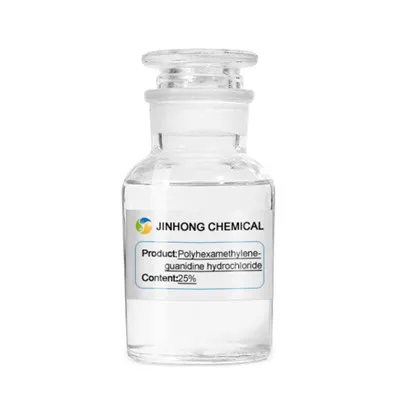
If you’re in the market for preservatives and biocides, whether it’s for a cosmetic line, a food product, or an industrial application, it’s important to understand your specific needs. You need to consider factors like the type of product, the expected shelf – life, and your target market. Are your customers looking for all – natural products? Or are they more concerned about the price and long – term preservation of the product?
Fabric Antimicrobial If you’re thinking about making a purchase, I’d love to have a chat with you. I’ve got a wide range of both synthetic and natural preservatives and biocides in my inventory. We can work together to find the best solution for your business. Just reach out, and let’s start the conversation about how we can meet your preservative and biocide needs.
References
- Cosmetics Europe: Safety Information on Preservatives.
- Journal of Food Science and Technology: Studies on Natural and Synthetic Food Preservatives.
- Environmental Health Perspectives: Research on the Health Effects of Synthetic Biocides.
Hebei Jinhong Chemical Co., Ltd.
Hebei Jinhong Chemical Co., Ltd. is one of the most professional preservatives & biocides manufacturers and suppliers in China. With abundant experience, we warmly welcome you to wholesale high quality preservatives & biocides made in China here and get pricelist from our factory. For price consultation, contact us.
Address: North of Fazhan Road, East of Qingyuan Road, Nanbao Development Zone, Tangshan City, Hebei Province
E-mail: kevin@hbjhchemical.com
WebSite: https://www.hbjhchemical.com/
