Proper installation of power towers is a critical process that directly impacts their performance, safety, and longevity. As a seasoned power tower supplier, I’ve witnessed firsthand the significance of adhering to specific installation requirements. In this blog post, I’ll delve into the key installation requirements for power towers, offering insights based on industry experience and best practices. Power Towers

Site Selection and Preparation
The first step in installing power towers is to choose an appropriate site. The site should be flat, stable, and free from any potential obstacles or hazards. It’s essential to conduct a thorough geotechnical survey to assess the soil conditions, as this will determine the type of foundation required.
The soil’s bearing capacity, shear strength, and settlement characteristics are crucial factors to consider. For example, if the soil is soft or has a low bearing capacity, special foundation designs such as deep piles or extended footings may be necessary to ensure the stability of the power tower.
In addition to soil conditions, the site’s topography and environmental factors also play a role. The site should be located away from areas prone to flooding, landslides, or other natural disasters. It should also be accessible for construction equipment and maintenance crews.
Once the site has been selected, it must be properly prepared. This includes clearing any vegetation, debris, or rocks from the area. The ground should be graded to the required level, and any necessary drainage systems should be installed to prevent water accumulation around the base of the tower.
Foundation Installation
The foundation is the base upon which the power tower stands, providing stability and support. The type of foundation used depends on several factors, including the tower’s height, weight, design, and the soil conditions at the installation site.
There are several types of foundations commonly used for power towers, such as spread footings, pile foundations, and caisson foundations. Spread footings are the most common type and are typically used in areas with stable soil conditions. They consist of a large, flat concrete slab that distributes the weight of the tower evenly over the ground.
Pile foundations are used in areas with soft or unstable soil. They involve driving long piles into the ground until they reach a more stable layer. The piles are then connected to the tower through a pile cap, which transfers the load from the tower to the piles.
Caisson foundations are similar to pile foundations but are larger in diameter and are typically used for very tall or heavy power towers. They are constructed by digging a large hole in the ground and filling it with concrete.
During the foundation installation process, it’s crucial to follow the manufacturer’s specifications and engineering drawings. The concrete used for the foundation should meet the required strength and durability standards, and the reinforcement bars should be properly placed and secured to ensure the foundation’s integrity.
Tower Assembly and Erection
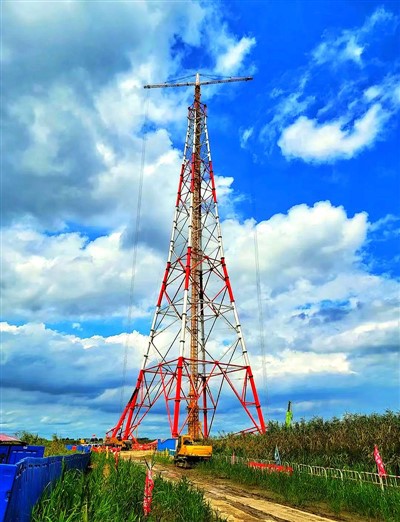
Once the foundation is installed and has cured to the required strength, the power tower can be assembled and erected. Tower assembly typically involves assembling the individual sections of the tower on the ground and then lifting and connecting them to form the complete structure.
The assembly process should be carried out in a controlled environment, following the manufacturer’s instructions. Each section of the tower should be inspected for any damage or defects before being assembled. The connections between the sections should be tightened to the specified torque to ensure a secure fit.
Tower erection is a complex and dangerous process that requires specialized equipment and trained personnel. Cranes or other lifting devices are used to lift the tower sections into place, and workers must follow strict safety protocols to prevent accidents.
During the erection process, it’s important to ensure that the tower is properly aligned and垂直度(垂直度 is verticality, here used as example to show relevance in the context). A laser level or other alignment tools can be used to check the tower’s alignment and make any necessary adjustments.
Electrical Wiring and Grounding
Power towers are used to transmit electricity, so proper electrical wiring and grounding are essential for their safe and efficient operation. The electrical wiring should be installed in accordance with the relevant electrical codes and standards.
The wiring should be sized appropriately to handle the electrical load, and it should be protected from environmental factors such as moisture, UV radiation, and mechanical damage. Conduits or cable trays can be used to route the wiring and provide additional protection.
Grounding is also a critical aspect of power tower installation. A proper grounding system helps to protect the tower and its electrical components from lightning strikes and other electrical faults. The grounding system typically consists of a series of grounding rods or plates that are buried in the ground and connected to the tower’s structure.
The grounding system should be designed to meet the specific requirements of the installation site, taking into account factors such as soil resistivity and the type of electrical system. Regular testing and maintenance of the grounding system are also necessary to ensure its effectiveness.
Safety and Maintenance Considerations
Safety should be the top priority during the entire power tower installation process. All workers involved in the installation should receive proper safety training and wear appropriate personal protective equipment (PPE).
In addition to safety during installation, regular maintenance of power towers is essential to ensure their continued safe and reliable operation. Maintenance tasks may include inspecting the tower structure for signs of corrosion, damage, or wear, checking the electrical wiring and grounding system, and lubricating moving parts.
Regular inspections should be carried out by qualified personnel, and any issues or defects should be addressed promptly. Maintenance schedules should be established based on the manufacturer’s recommendations and the specific operating conditions of the power tower.
Environmental Impact
The installation of power towers can have an impact on the environment, so it’s important to consider environmental factors during the planning and installation process. This may include minimizing the disturbance to natural habitats, protecting water resources, and reducing noise and visual impacts.
Environmental impact assessments should be conducted prior to installation to identify any potential environmental issues and develop mitigation measures. For example, if the installation site is located near a wetland or other sensitive ecosystem, measures may be taken to protect the area from construction activities.
Conclusion
Installing power towers is a complex and challenging process that requires careful planning, proper execution, and strict adherence to installation requirements. By following the guidelines outlined in this blog post, you can ensure that your power tower is installed safely, efficiently, and in compliance with all relevant standards and regulations.
Power Towers As a power tower supplier, I’m committed to providing high-quality products and comprehensive support to ensure the success of your power tower installation project. If you’re considering purchasing power towers or need more information about installation requirements, I encourage you to contact me for a consultation. I’ll be happy to discuss your specific needs and provide you with the guidance and expertise you need to make informed decisions.
References
- Electrical Safety Standards Handbook
- Structural Design Codes for Power Towers
- Geotechnical Engineering Manual for Foundation Design
Hebei Yifeng Steel Structure Co., Ltd.
As one of the most professional power towers manufacturers and suppliers in China, we offer a wide range of products with superior quality. Please feel free to buy cost-efficient power towers for sale here from our factory. Contact us for more details.
Address: Guangchuan Town Industrial Zone, Jing County, Hengshui City, Hebei Province
E-mail: hbyfgjg@163.com
WebSite: https://www.yf-powertowers.com/
