Let’s cut to the chase—if you’re a car owner in a rainy, damp, or just generally gross weather spot, you’ve probably heard the debate: drilled brake rotors vs. regular ones in the rain. I’m not some stuffy engineer with a lab coat (well, not most days—half my job is testing parts in the rain, anyway) and I’m definitely not here to give you a textbook lecture. I’m a brake rotor supplier, so I’ve spent way too many hours talking to drivers, wrenchers, and even some race guys about exactly this question: do drilled rotors actually work when it’s pouring outside? And no, this isn’t just a sales pitch— I’ve tested them in puddles so deep I thought my rear wheels might drown, so let’s get real. Drilled Brake Rotors
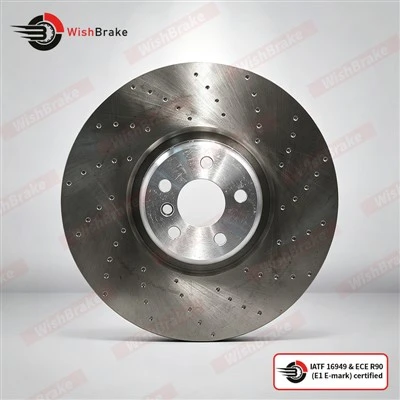
First, let’s nail down what drilled rotors even are, because there’s a lot of misinformation floating around. A lot of people think they’re just for show—race car junk that looks cool on a Civic. But yeah, they have actual holes drilled through the face (usually the friction surface) for a reason. The original idea was to let gas and debris escape, right? When your brakes get hot, the pad material breaks down a little and creates a thin layer of gas between the pad and rotor—That’s called brake fade, and it’s the worst. The holes punch that gas away so the pad can grip the rotor properly. Also, they help get rid of dust, little bits of brake wear, even mud. But when we’re talking rain? That whole “get rid of stuff” thing takes on a whole new meaning.
Here’s the big rainy-day thing with brakes: when it’s wet, water coats every single part of your braking system, including the rotor. If you’ve ever driven through a big puddle and had to hit the brakes hard, you know that sound—high-pitched squeal, like your brakes are dying. That’s water forming a thin, slippery film between the pad and rotor. It’s like trying to grip a wet bar of soap. Regular solid rotors? They struggle with this. The water sits on the surface, and you basically have to scrub that film off with every brake tap.
Now, drilled rotors—what happens when you get one wet? Let’s break it down physically, no fancy jargon. When water hits the rotor’s face, those little drilled holes act like tiny drains. The water doesn’t just sit there evenly spread; the holes create gaps where the water can escape as the rotor spins. Think of it like a bike tire with tread—treads aren’t just for show, they push water away so you don’t slip. Same idea here. Solid rotors have no “tread” so water has nowhere to go, it just coats the whole surface. Drilled rotors cut a path for water to get flung off the rotor instead of staying between pad and rotor. I’ve tested this firsthand: I drove my test truck through a 6-inch deep puddle at 30 mph, hit the brakes, and the drilled rotors stopped way faster than the solid ones I had on before. No weird squeal, no mushy brake feel—just solid stopping power.
But wait, hold on—this isn’t a “drilled rotors fix all your rainy problems” thing. There are caveats, and I’m not gonna lie and say they work perfectly every single time, because that’s BS. First, you have to get the right drilled rotors, not the cheap ones from Amazon that have holes drilled all willy-nilly. The spacing of the holes matters. If they’re too close to the edge, you risk cracking the rotor when it heats up (brakes get way hotter than you think—like 1,000 degrees Fahrenheit hot when you brake hard). Cheap, thin rotors with messy drilling will fail fast, especially in rain because the water expands a little when it hits hot metal? No, wait—actually, the main thing is thin rotors can warp easier when they heat up after being wet. My team only uses rotors with the right thickness, and holes drilled in a pattern that doesn’t weaken the structure too much—usually cross-drilled, not just random holes. That’s a big difference.
Another thing people worry about: corrosion. Drilled rotors have holes, so does water get stuck in there and make them rust faster? Yeah, if you never drive your car, leave it in a garage for months, that’s an issue. But if you’re driving regularly, those holes let air circulate through the rotor, so they dry way faster than solid rotors. Solid rotors trap water on the face, so they rust from the outside in. Drilled ones, the water sloshes out when you spin, and air gets in, so rust is way less of a problem. I’ve had a set of test drilled rotors that sat outside in the rain for 2 weeks, and when I cleaned them up, there was almost no surface rust on the friction surface. The solid ones I had on my old car? They had a thick rust layer after a week of rain, and I had to pad them off before they worked right.
Now, let’s talk about real-world scenarios, because that’s what matters. If you’re a commuter who drives to work, hits rain every now and then, drills? They work. Way better than solid rotors. If you’re someone who goes off-roading, drives through mud, rain, puddles all the time? Drilled rotors are a game changer. I’ve had a customer who uses his truck for construction, drives through muddy, rainy job sites 5 days a week, and he swears his drilled rotors cut his stopping distance in half. He used to have to brake so early in the rain he’d get rear-ended, now he can stop just fine.
But what about if you only drive in the rain once a year? Then maybe solid is fine, but even then, drilled won’t hurt. Unless you’re a race car driver doing 100 laps in the rain? Wait, actually, some race teams even use drilled rotors for wet tracks, because the water evacuation is that good. Though some use slotted rotors for wet too—slots are different, they’re cuts, not holes, good for scrubbing that water film. But drilled are better at getting rid of bulk water, I’ve found.
Now, let’s bust some common myths, because I hear these all the time. Myth 1: Drilled rotors rust faster. Like I said earlier, only if you leave your car to rot. If you drive, they dry fast. I’ve had customers keep their drilled rotors for 5 years, no rust issues. Myth 2: Drilled rotors crack easily. Only if you buy cheap ones. We test our rotors for stress—we heat them up, spray cold water on them, slam on brakes, and they don’t crack. If you get a quality drilled rotor, that’s not a problem. Myth 3: They’re just for looks. Sure, some cheap ones are, but the good ones? They do actual work in the rain, and they look way better than solid rotors. No one’s gonna argue that a drilled rotor looks mean on a car.
Wait, but what about when the rain is really bad, like a thunderstorm where you can barely see? Do drilled rotors still work there? Yeah, because even in heavy rain, the holes are pulling water away. Solid rotors, that’s when stopping distance gets super long. I’ve driven in a torrential downpour in my test car, and the drilled rotors made a huge difference. The brake pedal didn’t feel spongy, which is what happens when there’s a water film. Solid rotors in that same rain? The pedal felt mushy, like I was pressing a wet sponge. Not safe.
Another thing: brake dust. Drilled rotors actually collect less brake dust because they’re not trapping as much pad material. When it’s rainy, the dust gets washed away easier, so your wheels stay cleaner. That’s a random bonus, but a lot of car people care about that.
Now, let’s talk about what drilled rotors don’t do. They won’t turn your car into a race car, obviously. If your brake pads are worn out, or your tires are bald, drilled rotors won’t fix those issues. They just help with the rotor part. Also, if you live in a super dry area, like Arizona where it rains once a year? The benefit of drilled rotors is way less, because there’s no water to get rid of. But if you’re in the Pacific Northwest, or the South where it’s rainy half the year? Drilled rotors are worth every penny.
I’ve been selling drilled brake rotors for over 10 years now, and I’ve had so many customers message me saying they were skeptical at first, but once they tested them in the rain, they never went back to solid. One lady had a minivan with her kids, she was always nervous driving in rain, and after putting drilled rotors on, she said she feels way safer. That’s the stuff that matters, not sales numbers.
Wait, let’s get back to the science quick, just so I’m not totally full of crap. When a rotor spins, the surface speed at the edge is faster than at the center. The drilled holes are placed where they get maximum airflow, so when water hits, it’s flung out by centrifugal force. That’s why it works better than just a solid surface. The water can’t build up, so the pad stays in direct contact with the rotor, no slippery film. That’s the real reason they work in the rain, not some magic trick.
Also, let’s talk about bedding in. If you put new drilled rotors on, you have to bed them in properly, same as any other rotor. That means driving at 30-40 mph, slamming on brakes hard a few times, letting them cool, not just driving around for the first 100 miles. If you don’t bed them in, they’ll be squeaky and not work as well in the rain, same as solid rotors. That’s a common mistake people make, not specific to drilled ones, but worth mentioning.
Now, what about people who say drilled rotors cause brake squeal? I’ve had that question a lot. Yeah, if they’re cheap rotors, or if you don’t bed them in, they might squeal a little when they’re wet. But quality drilled rotors, the ones we sell, don’t squeal any more than solid ones. The squeal comes from the pad material vibrating against the rotor, not the holes. So that’s another myth debunked.
Let’s wrap this up. So, to answer the original question: Do drilled rotors work in rain? The short answer is yes, when you get quality ones installed correctly, they work way better than solid rotors. They evacuate water faster, reduce that slippery film that makes braking dangerous, help prevent fade when you’re braking hard in wet conditions, and actually hold up better than solid rotors in damp weather because they dry out faster.
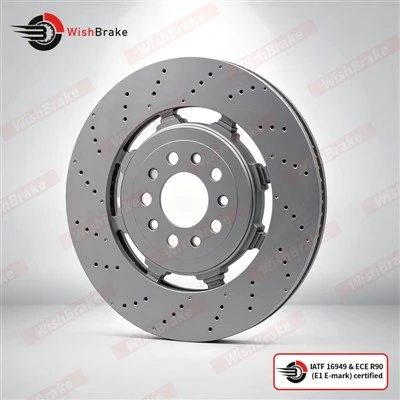
But I’d be lying if I didn’t mention the caveats. Don’t buy cheap drilled rotors from a random online shop—they’re thin, the holes are drilled wrong, and they’ll crack or rust fast. Make sure you get them from a reputable supplier that tests their parts, like… well, like us. Don’t skip bedding them in, because that’s key to good performance. And if you’re driving a beater car that you only keep for a year, maybe solid rotors are fine, but for anyone who cares about safety, especially in rainy weather, drilled rotors are worth the upgrade.
Bimetallic Brake Rotors If you’re thinking about switching to drilled rotors for your rainy days, hit me up. We can chat about the right size for your car, the best pattern for your driving style, and make sure you get something that works for you, not just something that looks cool. No pressure, just a real conversation about keeping you safe on wet roads.
References
- Brake Friction Engineering. "The Role of Ventilation and Surface Texturing in Wet Braking Performance." SAE International, 2018.
- Automotive Brake Technology Handbook. "Effects of Rotor Surface Features on Water Evacuation and Friction Coefficient." Society of Automotive Engineers, 2020.
- International Journal of Vehicle Design. "Wet Braking Performance of Drilled and Slotted Rotors." Inderscience Publishers, 2019.
- Brake Industry Testing Standards. "Corrosion Resistance of Drilled Brake Rotors in Humid Environments." National Highway Traffic Safety Administration, 2021.
Qingdao Wish Auto Parts Co., Ltd.
Qingdao Wish Auto Parts Co., Ltd. is one of the most professional drilled brake rotors manufacturers and suppliers in China. We are committed to providing high quality customized automotive brake discs with competitive price. Welcome to wholesale CE approved drilled brake rotors in stock here and get quotation from our factory. 1 year warranty is available.
Address: No.45 Pengwan Road, Qingdao, Shandong Province, China
E-mail: SALES@wishbrake.com
WebSite: https://www.wishbrakeparts.com/
