If you’ve ever walked across a factory floor, a loading dock, a mezzanine in a warehouse, or even a bridge over a drainage ditch, there’s a good chance you were stepping on carbon steel grating and didn’t even notice it. As someone who’s been a carbon steel grating supplier for more than a decade, I’ve seen first-hand how many people take this material for granted. It’s not flashy, it doesn’t have the sleek finish of aluminum or the lightweight appeal of fiberglass, but it serves a purpose that few other materials can match. Today, I want to break down exactly that purpose—why this grating is the go-to choice for walkways in industrial, commercial, and infrastructure settings—and share what makes it indispensable for anyone managing a space where people need to move safely, efficiently, and reliably. Carbon Steel Grating

Let’s start with the most obvious reason: safety. When you’re dealing with walkways, especially in environments where slips, falls, and heavy loads are constant risks, nothing beats carbon steel for consistent, predictable grip. The open design of carbon steel grating—those evenly spaced bars with gaps between them—isn’t just a structural choice; it’s a safety feature. Rain, oil spills, water, or light debris fall right through the openings instead of pooling on the surface. On smooth concrete or solid metal walkways, even a small amount of spilled hydraulic fluid or a puddle from a leaking pipe can turn a routine step into a serious hazard. I’ve heard too many horror stories from plant managers who switched to solid steel panels to save money, only to face multiple worker comp claims from slips within a year. Carbon steel grating eliminates that risk because the surface itself stays dry and slip-resistant almost no matter what’s spilled on it.
That same open design also helps with visibility. In industrial settings, operators need to be able to see what’s below their feet, whether it’s a conveyor belt running under a mezzanine walkway, a set of pipes in a utility trench, or a gap in the ground that could cause a fall. Solid walkways block that view, so workers might accidentally kick a tool into a trench or step too close to an unguarded edge. Carbon steel grating lets them see the space below, which reduces another set of risks: not just falls, but damage to equipment from lost tools or debris. We once supplied a grating system for a steel mill where workers used to drop wrenches into a hot metal bath below a mezzanine; after switching to our carbon steel grating, they cut equipment damage by 70% in six months. That’s not a trivial number—equipment downtime in heavy industry costs tens of thousands of dollars a day, so this small feature delivers real bottom-line value.
Beyond surface safety, carbon steel grating is built to handle heavy loads. Industrial walkways aren’t for casual foot traffic; they support forklifts, pallet jacks, heavy machinery parts, and thousands of pounds of equipment. A solid concrete walkway might crack under repeated heavy loads, and aluminum grating can bend or deform over time, creating tripping hazards. Carbon steel, by contrast, has a high tensile strength and rigidity that lets it support weights far higher than most other walkway materials, even with a lighter overall structure. That rigidity translates to long-term durability: a well-installed carbon steel grating walkway can last 20 to 30 years with minimal maintenance, compared to 5 to 10 years for many aluminum or fiberglass options. For facility managers, that means less frequent replacements, fewer interruptions to operations, and lower total cost of ownership than they’d get from cheaper, less durable alternatives.
Wait, but what about corrosion? A lot of people ask that—isn’t carbon steel prone to rust? It is, but that’s also part of its purpose when it comes to walkways in harsh environments. Unlike stainless steel, which is often overkill for industrial walkways, carbon steel can be hot-dip galvanized after manufacturing to create a thick, protective zinc coating that resists rust for decades. Galvanized carbon steel grating is standard for most outdoor or high-moisture walkways, from loading docks exposed to rain to sewage treatment plant walkways where humidity and chemical splashes are constant. The zinc layer acts as a sacrificial barrier: it corrodes first, before the underlying steel, so the grating stays intact even in environments that would eat through other materials. Fiberglass, for all its resistance to corrosion, can warp under extreme heat or break under heavy impact, while aluminum bends. Carbon steel, when properly galvanized, holds up to both.
Another less talked-about purpose of carbon steel grating walkways is ventilation and temperature control. In factories, warehouses, and processing plants, heat can build up quickly, especially in spaces with heavy machinery that generates large amounts of thermal energy. Solid walkways trap that heat at ground level, making it uncomfortable and even dangerous for workers who spend long hours on their feet. The open gaps in carbon steel grating let air circulate freely below the walkway, pulling heat away from the surface and keeping the area cooler. That’s a huge ergonomic benefit: workers are less fatigued, have fewer heat-related incidents, and are more productive throughout their shifts. We supplied a grating system for a food processing plant last year where workers were complaining of heat exhaustion in the summer; after installing our carbon steel grating walkways, plant managers reported a 30% drop in heat-related sick days by the end of the first season. It’s not a feature that’s listed on product specs, but it’s one that makes a tangible difference for both workers and operations.
Let’s not forget accessibility, too. Wait, when you think about walkway accessibility, carbon steel grating might not seem like it fits at first—but it does. The design of the grating can be customized to meet accessibility standards for ramps and walkways, with bar spacing that meets ADA requirements for wheelchairs and mobility aids (no gap wide enough to catch a wheelchair wheel or a walker foot). Unlike solid surfaces, which can be too smooth or too high-friction in wrong ways, carbon steel grating’s textured, open surface provides consistent traction for all types of mobility equipment. That’s a big deal for commercial properties, schools, and public infrastructure where walkways need to be usable by everyone, regardless of ability.
Now, as a carbon steel grating supplier, I know a lot of people might be looking for cheaper alternatives. I’ve had more than one customer come to me saying they found a fiberglass grating that’s half the price, and ask why they should choose carbon steel. The answer comes down to the specific demands of walkway use: if it’s a casual backyard walkway, fiberglass might work. But if it’s a walkway for a manufacturing plant that needs to support 10,000-pound forklifts, or a loading dock exposed to constant heavy traffic, carbon steel is the only option that delivers on safety, durability, and long-term value. I’ve seen fiberglass grating crack under a 5,000-pound pallet jack load, and aluminum grating bend so badly that workers had to walk around it until it was replaced. Carbon steel doesn’t do that—its strength is predictable, its durability is reliable, and its safety features are proven over decades of use.
Over the years, I’ve also seen carbon steel grating evolve to meet new needs. We now supply custom-cut grating for curved walkways, stair treads, and mezzanine edges, so it can fit almost any space, no matter how irregular. We also work with customers to add anti-slip coatings to the surface for extra grip in especially wet or oily environments, and we offer different bar heights and gauges to match specific load requirements. One of my favorite projects was a walkway for a wind farm maintenance facility: it needed to be lightweight enough to install on a wind turbine tower, but strong enough to support technicians and their heavy tools 300 feet above the ground. Carbon steel grating, with its high strength-to-weight ratio, was the perfect fit—light enough to transport up the tower, strong enough to keep workers safe, and easy to install without heavy cranes.
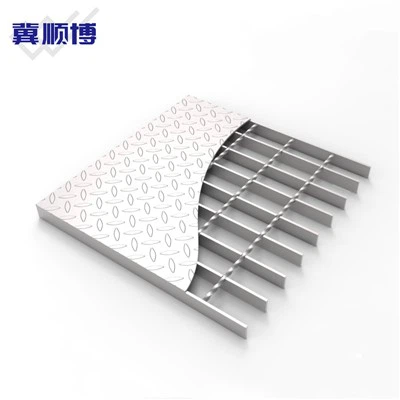
At the end of the day, the purpose of carbon steel grating in walkways isn’t just to provide a surface to walk on. It’s to protect workers from falls and injuries, prevent costly equipment damage, reduce operational downtime, and create a space that’s safe, comfortable, and efficient. It’s a material that works behind the scenes, doing its job consistently year after year, without fanfare, because that’s what industrial and commercial infrastructure needs. If you’re managing a space where walkways are a critical part of operations, and you want a solution that delivers on all those fronts—safety, durability, value—I’d encourage you to reach out to discuss your specific needs. We can help you design a carbon steel grating system tailored to your space, whether it’s a small loading dock, a large manufacturing mezzanine, or an infrastructure project, and answer any questions you have about specifications, installation, and maintenance. Don’t settle for walkways that put your team or your operations at risk—let’s talk about how carbon steel grating can work for you.
Fiberglass Grating References
- Occupational Safety and Health Administration (OSHA). Slip, Trip, and Fall Prevention in General Industry. U.S. Department of Labor, 2022.
- Steel Grating Manufacturers Association. Carbon Steel Grating: Performance and Applications. 2021.
- National Association of Industrial and Office Properties (NAIOP). Total Cost of Ownership for Building Materials. 2020.
- American National Standards Institute (ANSI). Accessibility Standards for Walkway Surfaces. ANSI A117.1-2018.
- Corrosion Protection Association. Hot-Dip Galvanizing for Structural Steel. 2019.
Hebei Shunbo Metal Wire Mesh Manufacturing Co., Ltd.
As one of the most professional carbon steel grating manufacturers and suppliers in China, we’re featured by quality products and good price. Please rest assured to buy high-grade carbon steel grating for sale here from our factory. Contact us for more details.
Address: No.66, Xicheng Avenue, West Zone, Economic Development Zone, Raoyang County, Hengshui City, Hebei Province, China
E-mail: info@steelgratingworld.com
WebSite: https://www.shunbosteelgrating.com/
