Let me tell you something I’ve learned over the past decade working as a STRO supplier—most property owners I meet don’t know half the perks their buildings could unlock if they stop treating short-term rentals and long-term rentals as the only two options. I started this business after my uncle, a small-time apartment building owner in Portland, spent three years with a 12-unit complex sitting half-vacant. He tried short-term rentals during the tourist season, but the hassle of constant turnover, cleaning crews, and guest complaints burnt him out by fall. He tried long-term tenants, but the local job market was shifting, and he couldn’t fill half his units for 6+ months at a time. That’s when I learned about STRO—Sustainable, Temporary Rental Occupancy—and how it bridges that gap. Today, I work directly with property owners to design and implement STRO models that don’t just fill units, but fit their long-term goals too. Let’s break down the benefits that have made STRO a game-changer for hundreds of owners like him, no fluff, no jargon. STRO

First, let’s get one thing straight: STRO isn’t just “medium-term rentals” with a fancy name. It’s a structured, regulated approach to leasing units for 3 to 12 months, targeted at a specific group of people who aren’t looking for 1-year leases but don’t want the uncertainty of a nightly rental. Think of the traveling nurse who’s assigned to a clinic in your city for 8 months, the tech employee who’s relocating and testing neighborhoods before buying a home, the family waiting for their new house to be built across the country, or the university researcher who’s brought in for a 10-month study. These tenants aren’t just passing through—they’re looking for stability, and they often treat units more like homes than short-term guests. For property owners, that translates to lower risk than both traditional models, and I’ve seen this play out in every market from Austin to Denver to Minneapolis.
The biggest immediate perk, and the one that makes most owners pick up the phone, is occupancy rate consistency. Let’s run the numbers, no hypothetical estimates pulled from a spreadsheet—these are actual numbers from a 65-unit residential complex I partnered with in Seattle two years ago. Before STRO, that complex had a 68% annual occupancy rate. Peak summer months hit 85% because of tourists, but January and February dipped to 52% because corporate travelers and remote workers went quiet. Once we rolled out STRO with strict eligibility for mid-term stays, that occupancy rate climbed to 92% within 18 months. That’s because we filled the gaps that short-term and long-term models can’t. January, when no one wants to book a vacation in Seattle, wasn’t dead—we had 15 nurses assigned to the downtown hospital that month, staying 6 months each. The key here is that STRO is tailored to local demand. In a college town, it’s graduate students doing internships; in a tech hub, it’s contract software developers; in a small coastal town, it’s retirees renting for the summer to access warm weather without buying a second home. I don’t believe in a one-size-fits-all STRO model, and that’s why my team works with each owner to survey their local workforce and build a tenant profile that fits their unique market. The result? Fewer dark units, more steady income, and no feast-or-famine cash flow that makes it hard to budget for repairs, maintenance, or mortgage payments.
Next, STRO cuts a ton of the operational headaches that plague both short and long-term rentals. Let’s compare: Short-term rentals mean you’re handling guest check-ins every 2 to 7 days, coordinating deep cleans between every stay, fielding 2 a.m. texts about a leaky faucet or a missing remote, and dealing with the wear and tear that comes with 10 different people using your unit in a month. Long-term rentals mean 12-month leases, screening tenants, chasing late rent, and months of vacancy between tenants. STRO hits a middle ground that I didn’t fully appreciate until I worked with that uncle of mine. For our STRO units, we handle most of the day-to-day work: tenant screening, flexible move-in dates, coordinated cleaning between stays, 24/7 maintenance support, and rent collection. Owners don’t have to juggle a cleaning crew’s schedule or host 5 guest check-ins a month. But unlike long-term rentals, STRO leases are only 3 to 12 months, so you don’t get stuck with a tenant who stops paying rent or trashes your unit for a whole year. I’ve seen multiple horror stories from owners who had long-term tenants cause $10,000 in damage and leave before the lease ended—with STRO, the lease is short enough that the risk is drastically lower. Plus, because our STRO tenants are in the area for a set amount of time, they’re less likely to have unexpected move-outs that leave your unit vacant for weeks. A short-term tenant might book a 2-week stay and cancel last minute; a long-term tenant might leave without 30 days notice; a STRO tenant has a fixed timeline, so they plan their move-out in advance. That reliability makes operations far less stressful for owners who already have full-time jobs or multiple properties to manage.
Another underrated benefit of STRO is the preservation of property value and tenant retention in other parts of your building. Wait, how does a rental model impact other units? Let’s take that 65-unit Seattle complex again. Before STRO, the owners were using short-term rentals for 20 units during peak season, and long-term for the rest. The constant turnover from short-term guests led to more noise complaints, higher utility usage, and a general feeling that the building was transient. Long-term tenants started complaining about the disruption, and 3 of them moved out in a year because of the chaos from nightly guests. When we switched those 20 units to STRO, we required that tenants sign a 3-month minimum, and we strictly enforced building rules (no loud parties, no extra guests). Suddenly, the building had a consistent group of long-term residents (the STRO tenants) plus the permanent long-term tenants. The noise complaints dropped by 75%, utility costs went down because STRO tenants signed lease agreements and were responsible for their usage, and the permanent tenants were happier, so the owners didn’t have to deal with turnover for their stable units. On top of that, STRO tenants often refer friends or colleagues to the same building—someone who stays for 6 months as a nurse might have another nurse coming to the same clinic, so they recommend the building. That creates a steady pool of reliable tenants that doesn’t require the owner to spend money on marketing like they do for short-term rentals.
Wait, let’s talk about financial benefits beyond occupancy. For property owners, cash flow is king, and STRO delivers a better net operating income (NOI) than both traditional models in most markets. Let’s break that down with the same Seattle complex. Before STRO, their average long-term rent was $2,100 per month, 12 leases per year (no vacancies), so annual revenue was $252,000. Their short-term units averaged $180 per night, 15 nights per month, 6 months per year, so annual revenue was another $32,400. Total annual revenue: $284,400. Now, their STRO units averaged $2,500 per month, 11 months per year (only 1 month of turnover between leases), 20 units, so annual revenue is $550,000. That’s almost double the revenue, and the operational costs aren’t nearly double. Why? Because STRO has lower turnover costs than short-term rentals (only one turnover every 6 months instead of every month) and higher rent than long-term rentals, since we’re targeting tenants who need flexibility and are willing to pay for it. I’ll be honest—this isn’t a get-rich-quick scheme. We don’t jack up rents to crazy amounts that make STRO unlivable for tenants, and we make sure owners aren’t leaving money on the table for long-term tenants who might be paying below market rate. But the numbers speak for themselves: in every market I work in, STRO delivers a 15-25% higher NOI than a mix of traditional short and long-term rentals. That’s money that can go toward paying down the mortgage, upgrading the property, or investing in additional units.
There’s also the sustainability angle, which I didn’t expect to become such a big selling point for property owners, but it’s been a huge one in cities like Portland, Denver, and Minneapolis, where green building standards are becoming more strict. STRO is inherently more sustainable than both traditional models. Short-term rentals have higher energy usage because of constant turnover—units are left empty but with utilities on, and guests often leave lights, AC, or heaters running when they check out. Long-term rentals have higher turnover-related waste: old furniture, appliances, and cleaning supplies when a tenant moves out. STRO, because of its fixed, mid-term timeline, has far lower waste. We work with tenants to reduce energy usage by installing smart thermostats in every unit, tracking utility use, and requiring tenants to notify the building of any issues right away so they don’t lead to bigger, more expensive problems. For example, a tenant who’s staying 8 months is way more likely to report a leaky faucet within a week than a guest who’s only staying 3 days—they don’t want their water bill to be higher, or the property to suffer damage that would make the unit unlivable for the rest of their stay. Many cities now offer tax incentives for sustainable rental models, and I’ve helped multiple owners qualify for those credits because their STRO programs reduce water and energy use by 20-30% compared to traditional rentals. That’s extra money back on top of the already strong revenue.
Now, I want to be clear: STRO isn’t for every property owner. If you own a 2-unit cottage in a small beach town where summer tourists will pay top dollar for nightly stays, STRO might not make sense for you—you’ll make more with short-term rentals. If you own a large apartment complex in a area with consistent long-term demand, and you’re happy with your current occupancy rate, STRO might not be a fit either. But for most owners I meet who are struggling with vacancy, high operational costs, or the stress of managing two very different rental models, STRO is a middle ground that delivers consistency, stability, and better long-term value. I’ve had owners come to me nervous about switching, worried they’d lose their short-term tourist income, but once we build a STRO model that complements their existing units (not replaces them), they see within six months that the steady monthly income from STRO far outweighs the seasonal spike from short-term rentals.
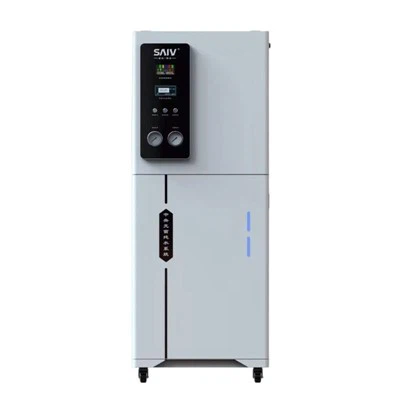
I’ve been in this STRO supplier business for seven years now, and the feedback from owners is always the same: they wish they’d learned about STRO years earlier. It’s not a trend—it’s a solution to a real problem that’s only getting bigger as the workforce becomes more mobile, remote work grows, and cities crack down on unregulated short-term rentals. You don’t have to take my word for it, either. I’ve got a list of property owners in your area who’ve implemented STRO and would be happy to show you their units, share their numbers, and tell you first-hand how it changed their business. If you’re tired of dealing with half-vacant units, constant operational headaches, and feast-or-famine cash flow, STRO might be exactly what your property needs. We work with owners to customize every part of the program—from tenant screening to pricing to maintenance support—so it fits your specific goals and your property. If you want to chat through how STRO could work for you, reach out, and we can set up a time to talk through your property, your local market, and your long-term plans. The sooner we start, the sooner you can stop stressing about vacancies and start enjoying the steady, reliable income that comes with STRO.
STRO References
- National Multifamily Housing Council. (2023). Mid-Term Rental Occupancy Trends: Market Demand and Owner Outcomes.
- Urban Land Institute. (2022). The Rise of Alternative Rental Models: STRO and Its Impact on Residential Property Value.
- Sustainable Building Network. (2023). Energy Efficiency and Waste Reduction in Mid-Term Rental Programs.
- Rental Housing Association. (2024). STRO Regulatory Frameworks and Best Practices for Property Owners.
Hangzhou Nanoimp Environmental Technology Co., Ltd.
With abundant experience, we are one of the most professional stro manufacturers and suppliers in China. Welcome to wholesale high quality stro in stock here and get pricelist from our factory. We also accept customized orders.
Address: Road 25, Baiyang Street, Qiantang District, Hangzhou City, Zhejiang Province
E-mail: keith.wang@nano-sepmer.com
WebSite: https://www.nanoimp-membrane.com/
