Let me start by being real: every single day, I get at least three calls from people who just bought a silent generator set, panicking because they stare at the control panel and think, “Did I sign up to mess with industrial equipment alone?” I’m not just a silent generator set supplier—for 12 years, I’ve been the guy who drives out to rural job sites, suburban home garages, and small business parking lots to fix, tweak, or walk someone through their generator. So when you ask, “Can I operate a silent generator set myself?” my answer isn’t a yes or no—it’s a “let’s break this down, no jargon, no scares.” Silent Generator Set
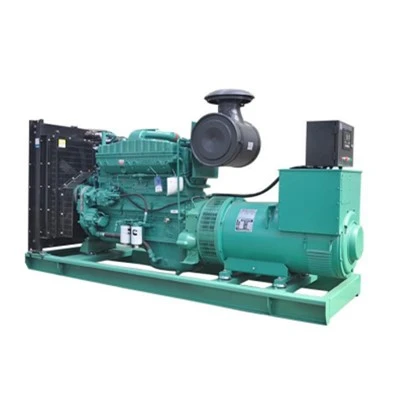
First, let’s set the baseline: most modern silent generator sets (the ones we sell) aren’t the clunky, old-school ones your dad stored in the backyard for storms. We engineer them to be user-friendly, but “user-friendly” doesn’t mean “no training.” Let’s split this into two parts: can you safely run it to power your home, campsite, or small shop? And when should you call in someone with more experience?
The short answer for day-to-day operation? Absolutely, if you follow the basic steps. Last month, I visited a family in northern Ohio who bought a 12kW silent generator from us after a tornado took out power for five days the year before. They told me they were scared to turn it on at first, but walked through the pre-start checklist I left with them and never had an issue during the next winter ice storm. Let’s walk through that checklist—the same one we give every customer—because this is the part most people skip when they Google “how to start a silent generator”:
First, location matters more than most people realize. A silent generator is called “silent” for a reason, but that doesn’t mean it’s harmless when running. Carbon monoxide is still a killer. Every year, I see posts on local Facebook groups from people who tried running their generator in a garage, next to an open window, or even on a covered porch. That’s a death sentence. Our product manuals (and every reputable silent generator brand’s) are crystal clear: you must operate it at least 20 feet from any building, with the exhaust pointed away from doors, windows, and vents. Even in “silent mode,” the exhaust fumes are odorless and deadly in minutes. I once had a customer who ran his generator next to his basement window to keep his sump pump going—by the time I got there, his wife was asleep on the couch, dizzy. We got them outside, and they were fine, but it was a wake-up call. Never skip the location rule.
Next, pre-start checks. This isn’t the time to rush. We always tell customers to do three things before even turning the key: check the oil level, check the fuel level, and inspect the air filter. For oil: most modern silent generator sets use synthetic oil, but you have to make sure it’s at the right level—too little and you’ll blow the engine, too much and it’ll clog the exhaust or cause it to smoke loudly. Fuel: only use clean, fresh gasoline (or diesel, if you have a diesel model). Old gas goes bad in 30 days, and it will gum up the carburetor, which is a nightmare to fix. I see this all the time: someone stores their generator for three months, fills it with gas from last summer, and calls me when it won’t start. For small, portable silent sets, we recommend adding a fuel stabilizer if you’re going to store it for more than a month. For larger standby models (the ones that auto-start when power goes out), they have built-in stabilizers, but you should still check fuel levels quarterly. Air filter: a dirty air filter will make the generator run inefficiently, use more fuel, and even overheat. You don’t need to be a mechanic to pull it out and look at it—if it’s dusty or greasy, wipe it off (or replace it, if it’s really bad) before starting.
Once you’ve done those checks, you can start it. The control panel on our silent generator sets has three basic buttons: start, stop, and reset. No complicated dials, no computer codes you need a degree to decode. For manual start models (the ones you run when you need power on the go, like at a job site or tailgate), you turn the fuel valve to “on,” set the choke (if it’s cold), press the start button for 3-5 seconds, then let it warm up for 2 minutes before plugging anything in. For standby models, most have an auto-switch that connects to your home’s electrical panel—you just set it to “auto” and it kicks on when power drops below a certain level. That’s the easy part.
But here’s the thing: operating it is only half the battle. Knowing how to connect it safely is where most people mess up. Never plug your generator directly into your home’s wall outlet. That’s a fire hazard, and it can send electricity back into the power lines, which can kill a lineman working to fix the outage. If you need to power your whole home, buy a transfer switch—we sell pre-wired ones for our standby models, and they take 30 minutes to install if you’re handy (or we can send a technician to do it for you). For smaller loads, use heavy-duty, outdoor-rated extension cords. Not the cheap ones you buy at the grocery store for Christmas lights—those can overheat and start a fire. We recommend cords rated for at least 10 gauge for most appliances, and make sure they’re not frayed or damaged. Last summer, a customer used a worn-out extension cord to power his fridge and AC, and the cord melted before I got there. No fire, but he had to replace the fridge, and it was all avoidable.
Now, let’s talk about when you should not operate it yourself. This isn’t about being “not good enough”—this is about safety and avoiding costly mistakes. First, if you’ve never done any basic electrical work, don’t install a transfer switch or connect a standby generator to your panel. Even if you’ve watched a YouTube video, electrical work is dangerous. A wrong wire connection can fry your entire home’s wiring, or worse, give you a deadly shock. I’ve seen people try to install a transfer switch and accidentally wire the generator backwards, which burned out their whole HVAC system and left them without power for three days. That $200 “DIY” job cost them $3,000 in repairs. Second, if you smell gas when you go to start it, don’t press the start button. Turn off the fuel valve, wait 5 minutes, and check for leaks. If you still smell gas, call a professional. Third, if your generator is making strange noises—grinding, knocking, or smoking black smoke that doesn’t go away after a few minutes—turn it off and don’t try to fix it yourself. Those are signs of a serious issue, like a broken piston or a clogged fuel injector, and messing with that can make it worse, or even cause it to catch fire.
I also get a lot of questions about maintenance. Can you do basic maintenance on your silent generator yourself? Yes. Changing the oil, replacing the air filter, checking the spark plug—all of that is something most people can do with basic tools. We give our customers free step-by-step guides for every maintenance task, and if you get stuck, our team is just a phone call away. The key is to do maintenance on schedule, not when something breaks. Most silent generator sets need an oil change every 100 hours of use, or once a year, whichever comes first. If you run it a lot during storm season, mark it on your calendar. If you only run it a few times a year, change the oil every spring before you use it.
Let’s also address the “silent” part, because that’s why you bought it, right? You don’t want a generator that sounds like a jet engine taking off in your backyard. Our silent generator sets are insulated with sound-dampening foam, and we test every unit before it leaves our warehouse to make sure it’s under 65 decibels—about as loud as a normal conversation. That doesn’t mean you can ignore basic safety, though. Even a silent generator vibrating a lot can loosen parts over time, so make sure it’s on a flat, level surface. If it’s sitting on uneven ground, it can tip over, which is a huge hazard. I once had a customer who put his generator on a sloped driveway, and it slid into his fence when he started it. No one got hurt, but the fence was destroyed and the generator’s exhaust pipe was bent, which made it loud. So level ground is non-negotiable.
Another common misconception: can you run your silent generator 24/7? The short answer is no, not without giving it a break. Most models can run for 8-12 hours straight at full load, then you need to shut it down and let it cool for at least an hour. If you run it nonstop, you’ll overheat the engine, and that’s a very expensive repair. During the 2022 winter storm in Texas, I had a customer who ran his generator for three days straight without turning it off, and he had to replace the engine. He told me he thought “silent” meant it could run forever, which it doesn’t. It’s a machine, not a battery, and it needs rest.
So circling back to the original question: Can I operate a silent generator set myself? The honest answer is yes, but only if you approach it with respect, not overconfidence. You don’t need to be a licensed mechanic, but you do need to follow the rules: keep it away from doors and windows, do pre-start checks, use the right cords, don’t plug it directly into your home, and know when to call for help.
I’ve been in this business long enough to know that most people who buy a silent generator set aren’t looking for a complicated hobby. They’re looking for peace of mind: power when the grid goes out, power for their job site when they’re in a remote area, power for their family at a campsite. That’s exactly why we design our generators to be easy to use, but we also emphasize safety over everything else. We never want a customer to get hurt or lose money because they tried to do something on their own that they weren’t ready for.
If you’re thinking about buying a silent generator set, or you already have one and have questions about operating it, our team is here to help. We don’t just sell generators—we help you understand how to use them safely and effectively. Whether you need a quick walkthrough over the phone, help choosing the right size for your needs, or a technician to install your transfer switch, we’re just a contact away.

Don’t let fear of the unknown stop you from getting the backup power you need. Operating a silent generator set is manageable, as long as you take the time to learn the basics and respect the machine. If you take it step by step, follow the guidelines, and don’t hesitate to reach out when something feels off, you’ll be just fine.
Silent Generator Set Reference:
- Occupational Safety and Health Administration (OSHA). (2023). Carbon Monoxide Hazards from Portable Generators. U.S. Department of Labor.
- International Fuel Gas Code (IFGC). (2021). Requirements for Portable Generator Installation and Operation. International Code Council.
- Generator Safety Association. (2022). Best Practices for Standby and Portable Silent Generator Use. GSA Publications.
- Environmental Protection Agency (EPA). (2021). Emissions and Noise Standards for Portable Generator Sets. U.S. Environmental Protection Agency.
China Modo Investment Co., Ltd.
As one of the most professional silent generator set manufacturers and suppliers in China, our products have good reputation in the market. We warmly welcome you to wholesale advanced silent generator set in stock here from our factory. If you have any enquiry about cooperation, please feel free to email us.
Address: Boye Industrial Park,Baoding city,Hebei Province,China.
E-mail: sales@mstengine.com
WebSite: https://www.mst-engine.com/
