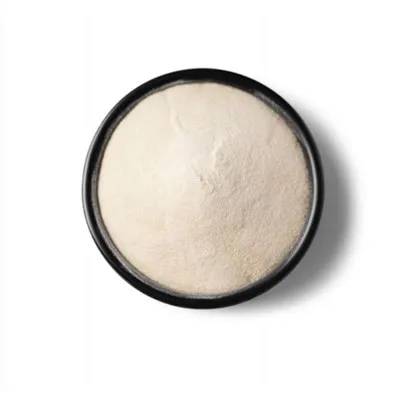
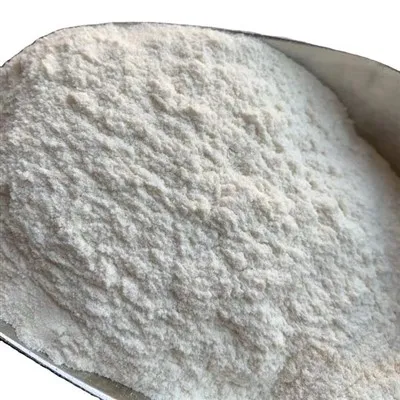
Hey guys, let’s talk about one of the unsung heroes of the food and industrial worlds—xanthan gum. I’ve been working as a xanthan gum supplier for almost 8 years now, and every single day I get questions like, “What even is this stuff, and why is it in everything from my salad dressing to my bike’s tire sealant?” Fair question! It’s not the flashiest ingredient out there, but trust me, its uses are way broader than you’d guess. Today, I’m breaking down exactly what xanthan gum does, across tons of industries, and why it’s such a game-changer for both small brands and big corporations alike. First off, let’s keep it real—no stuffy, textbook definitions here. Xanthan gum is a polysaccharide, right? It’s made when you ferment sugar with a bacteria called Xanthomonas campestris. Think of it like making yogurt or sourdough, but the “good bacteria” produces this gel-like substance that we dry and grind into a fine powder. The crazy part? You barely need a tiny amount to do huge things—like, 1/10th of a percent in a recipe can turn a watery mess into something smooth and stable. That’s my favorite part about working with it: it’s efficient, versatile, and totally scalable for any order size, whether you’re a home baker ordering a small pouch or a large food manufacturer needing a 25-ton shipment. Now let’s dive into the uses, starting with the one everyone’s most familiar with: food and beverages. If you’ve ever grabbed a bottle of gluten-free salad dressing, tried a vegan ice cream that didn’t melt in 2 minutes, or even sipped a sports drink that didn’t separate in the fridge, you’ve encountered xanthan gum. Gluten-free products are a huge market right now, and that’s where xanthan gum shines. Gluten is what gives bread its chewy texture and helps sauces stick together, but since it’s missing in GF foods, brands need a reliable thickener. Xanthan gum is perfect because it works in cold, hot, acidic, or even frozen conditions—unlike a lot of other thickeners that break down when you heat them or mix with vinegar. I’ve had so many GF bakery clients tell me they switched to xanthan gum because their old thickener would make their bread crumbly or their frosting turn runny. With xanthan, they can get that same elasticity and structure wheat gluten gives, no wheat required. Then there’s beverages. Ever notice how your favorite sports drink has that smooth, consistent texture, not like a gritty watered-down powder? That’s xanthan gum keeping all the electrolytes and flavors suspended so they don’t settle at the bottom. It’s also in things like fruit juices, even some craft beers—brewers use it to stabilize the foam and prevent haze, so their beer stays clear and bubbly instead of getting cloudy after a few days on the shelf. And let’s not forget vegan and plant-based foods. A lot of plant-based milks, like oat or almond, separate super easily because they don’t have dairy’s natural fats to hold everything together. Xanthan gum mixes right in and keeps the milk uniform, so every pour has the same taste and texture. Same with vegan yogurt—no more watery whey separating on top! That’s a huge win for plant-based brands who are tired of customers complaining about “curdled” plant milks. Moving beyond food, xanthan gum is a total rockstar in personal care and cosmetics. I know, it’s not something people usually talk about when they think of this ingredient, but it’s everywhere in your shower and medicine cabinet. If you’ve got a face wash that’s not runny, a body lotion that spreads evenly without being greasy, or a hair gel that holds your style all day, xanthan gum is likely the one making that happen. It’s especially popular in natural and organic cosmetics because it’s derived from fermentation, not harsh chemicals. A lot of my personal care clients swear by xanthan gum because it works with sensitive skin too—no funky irritants, just a gentle, effective thickener. I even supply it to small-batch skincare brands that make things like aloe vera gels and sugar scrubs; without xanthan, their scrubs would have all the sugar sink to the bottom, and their gels would be watery messes. And here’s a surprising one: pharmaceuticals. Xanthan gum is used in all kinds of meds, from liquid antibiotics to topical creams to even some pills that release medication slowly over time. For liquid meds, it keeps the active ingredients mixed so you don’t have to shake the bottle 10 times before every dose (though pharmacists still tell you to do that, but hey, it’s more effective when you don’t have to!). For slow-release pills, it acts like a matrix that controls how the medication dissolves in your body, so you don’t have to take multiple doses a day. That’s a big deal for people with conditions that need consistent medication levels, like diabetes or hypertension. I’ve worked with a few pharma suppliers over the years, and they love that xanthan gum is stable in all the conditions meds go through—storage, shipping, even sitting on a pharmacy shelf for months. Now let’s get to the industrial side, which is a huge part of my business that not a lot of people talk about. Xanthan gum is used in oil and gas drilling, of all things! When they drill for oil deep underground, they need something called a “drilling mud” to cool the drill bit, carry rock cuttings to the surface, and keep the well stable. Xanthan gum is added to that mud because it’s thick enough to hold the cuttings when the drilling stops, but thin enough to flow easily when the drill is moving. It works in super hot, high-pressure environments that other thickeners can’t handle, which is why it’s become a staple for modern drilling operations. That’s wild, right? The same stuff that makes your salad dressing smooth helps drill for oil. Another industrial use? Paint and coatings. A lot of water-based paints use xanthan gum to thicken them so they don’t run off the wall when you’re painting. It also keeps the pigments suspended, so the paint doesn’t settle into a thick layer at the bottom of the can. No more shaking a paint can for 5 minutes just to get the color mixed right! I’ve had a couple of local paint manufacturers as clients, and they say switching to xanthan gum cut down on their waste because less paint was settling in storage. Even in agriculture, some farmers use xanthan gum in pesticide sprays. It helps the spray stick to plants instead of dripping off, so the pesticide is more effective and less gets wasted. That’s a big deal for sustainable farming, right? Using less chemicals means less impact on the environment. Now, let’s talk about why xanthan gum is such a reliable ingredient compared to other thickeners. A lot of people ask me why not use something like cornstarch or gelatin instead. First off, cornstarch breaks down when you heat it, so if you’re making something that needs to be cooked and then frozen, cornstarch will turn mushy. Gelatin is animal-based, so it’s not vegan or kosher/halal for some people. Xanthan gum is vegan, kosher, halal, and works in a huge pH range—so it’s great for acidic foods like tomato sauce or salad dressings that would break down other thickeners. It’s also more stable in high-fiber or high-sugar mixtures, which is super common in processed foods. Another thing I love about xanthan gum is that it’s easy to formulate with. A lot of new product developers get overwhelmed by ingredients, but xanthan gum doesn’t require fancy equipment to mix. Just add a tiny amount to your liquid, stir, and it thickens up fast. I always tell new clients to start with a small amount—like 0.1% of your total batch—then adjust. Too much and you’ll get a slimy texture, too little and it won’t thicken. It’s all about finding that sweet spot, and once you do, it’s hard to go back to other thickeners. Of course, like any ingredient, there are a few things to keep in mind when using xanthan gum. It doesn’t work well in very high concentrations (over like 1% usually) because it can get rubbery or stringy. And it’s important to mix it properly—if you just dump a bunch in a liquid, it will clump up and be hard to disperse. The trick is to mix it with a dry ingredient first, like sugar or flour, before adding it to liquid, or use a high-shear mixer to get it smooth. That’s a tip I give to every new client, whether they’re a home baker ordering a small bag or a big manufacturer placing a large order. Now, I should also be transparent about how I work as a supplier. I don’t do generic, low-quality xanthan gum that’s full of fillers. I source from facilities that follow strict food safety standards (like GMP and FDA regulations) because I know how important it is for my clients—whether you’re making a baby food, a pharmaceutical product, or a paint— to have a consistent, reliable ingredient. I offer flexible order sizes too, because I know small startups don’t need 25-ton shipments, and big brands need bulk quantities to keep up with demand. If you’re a brand developer, a manufacturer, or even a home baker who needs a consistent supply, hit me up to chat about your needs. I’m here to help you find the right amount and grade of xanthan gum for your specific project, no matter how big or small it is. Let’s wrap this up, because I could talk about xanthan gum all day, but I’ll keep it simple. Xanthan gum isn’t the flashiest ingredient out there, but it’s one of the most versatile and useful ones on the market today. From making gluten-free bread taste like the real thing to stabilizing paint and helping drill for oil, it’s a workhorse that powers so many products we use every day. As a supplier, I’ve seen firsthand how it can make or break a product—bad texture will turn customers away, but the right amount of xanthan gum will make a product stand out. If you’re working on a new product, or looking to switch thickeners because your current one isn’t cutting it, don’t sleep on xanthan gum. It’s efficient, versatile, and reliable, and I’m here to help you get exactly what you need. If you want to talk more about uses, pricing, order sizes, or anything else related to xanthan gum, reach out to discuss your specific requirements. I’m always happy to answer questions and help you find the right solution for your project. Xanthan Gum
Potassium Sorbate References:
- BeMiller, J. N. (2018). Polysaccharide Gums: Structure, Functionality, and Applications. Annual Review of Food Science and Technology, 9, 149-172.
- Garcia-Ochoa, F., Santos, V. E., Casas, J. A., & Gomez, E. (2000). Xanthan Gum: Production, Properties, and Applications. Biotechnology Advances, 18(3), 249-279.
- Schmid, M., & Sieber, V. (2016). Microbial Exopolysaccharides in Industrial Applications. Applied Microbiology and Biotechnology, 100(10), 4379-4393.
Fudijia (Tianjin) Supply Chain Co., Ltd.
With abundant experience, we re one of the most professional xanthan gum manufacturers and suppliers in China. We warmly welcome you to wholesale bulk high quality xanthan gum made in China here from our factory. For more information, contact us now.
Address: 301-2-1C,Jin Bin Jie Zuo,No.98, Huanghai Road,TEDA, Tianjin, China
E-mail: foodchem@hjlfoods.com
WebSite: https://www.ifoodchem.com/
