Maintaining the cutting blade of a courier bag making machine is crucial for the efficiency and quality of your production process. As a supplier of courier bag making machines, I understand the importance of keeping these blades in top – notch condition. In this blog, I’ll share some practical tips on how to maintain the cutting blades effectively. Courier Bag Making Machine

Understanding the Cutting Blades
Before diving into maintenance, it’s essential to understand the types of blades commonly used in courier bag making machines. There are generally two main types: circular blades and straight blades.
Circular blades are often used for continuous cutting operations. They rotate at high speeds to slice through the material, creating the desired shape of the courier bags. These blades need to be sharp and balanced to ensure a smooth cutting process.
Straight blades, on the other hand, are used for cutting along straight lines. They are typically made of high – quality steel and are designed to withstand high – pressure cutting. The edges of straight blades are very precise and should be protected from damage.
Regular Cleaning
One of the most basic yet important maintenance tasks is regular cleaning of the cutting blades. During the cutting process, debris such as plastic particles, dust, and adhesive residues can accumulate on the blade’s surface. This buildup not only affects the cutting performance but can also cause premature wear.
To clean the blades, first, make sure the machine is turned off and unplugged for safety. Use a soft brush to gently remove any loose debris from the blade. For stubborn residues, you can use a mild solvent that is compatible with the blade material. However, be careful not to soak the blade in the solvent for too long, as this may damage the blade’s coating or temper.
After cleaning, dry the blade thoroughly with a clean, lint – free cloth. This helps prevent rust and corrosion, especially if the blades are made of steel.
Inspection for Wear and Damage
Regular inspection is key to identifying potential problems with the cutting blades early on. Check the blade edges for signs of wear, such as dullness, chipping, or unevenness. A dull blade will require more force to cut through the material, which can put additional stress on the machine and lead to inconsistent cutting results.
You can use a magnifying glass to inspect the blade in detail. Look for any small cracks or chips that may not be visible to the naked eye. If you notice any significant damage, it’s important to replace the blade immediately. Continuing to use a damaged blade can not only affect the quality of the courier bags but also pose a safety risk to the operators.
In addition to inspecting the edges, also check the mounting holes and other connection points of the blade. Make sure they are clean and free of any debris or damage that could affect the blade’s installation or performance.
Sharpening the Blades
Sharpening the cutting blades at the right time is essential for maintaining their cutting efficiency. The frequency of sharpening depends on several factors, such as the type of material being cut, the cutting speed, and the volume of production.
There are two main methods of sharpening blades: in – house sharpening and professional sharpening.
For in – house sharpening, you need to have the right tools, such as a sharpening stone or a blade sharpener specifically designed for the type of blade you are using. Make sure to follow the manufacturer’s instructions carefully when sharpening the blade. The angle of sharpening is crucial; an incorrect angle can lead to a poorly sharpened blade that may not cut effectively.
Professional sharpening services, on the other hand, can provide a more precise and consistent result. They have the expertise and specialized equipment to ensure that the blade is sharpened to the optimal level. If you don’t have the knowledge or equipment for in – house sharpening, it’s recommended to send the blades to a professional service regularly.
Proper Storage
When the courier bag making machine is not in use, proper storage of the cutting blades is essential. Blades should be stored in a dry, clean environment to prevent rust and corrosion. You can use blade covers or protective cases to keep the blades safe from accidental damage.
It’s also important to store the blades in an organized manner. Label the blades clearly to avoid confusion and ensure that they are stored in the correct order. This makes it easier to find and use the right blade when needed.
Lubrication
Lubrication plays a vital role in the maintenance of cutting blades. Applying a suitable lubricant to the blade can reduce friction during the cutting process, which in turn helps to extend the blade’s lifespan.
Choose a lubricant that is compatible with the blade material and the type of material being cut. For example, if you are cutting plastic materials, a lubricant that does not leave a sticky residue is preferred.
Apply the lubricant evenly to the blade surface according to the manufacturer’s recommendations. Be careful not to over – lubricate, as this can attract more debris and cause problems.
Training the Operators
Proper training of the machine operators is another important aspect of blade maintenance. Operators should be educated about the correct operation of the machine, including how to handle the cutting blades safely.
They should be trained to recognize the signs of blade wear and damage and know when it’s time to perform maintenance tasks such as cleaning, inspection, and sharpening. Operators should also follow the safety procedures strictly when working with the blades to prevent any accidents.
Adjusting the Cutting Parameters
The cutting parameters of the courier bag making machine, such as cutting speed, pressure, and depth, can also affect the lifespan of the cutting blades. It’s important to set the cutting parameters correctly according to the type and thickness of the material being cut.
If the cutting speed is too high or the pressure is too great, it can cause excessive wear on the blades. On the other hand, if the cutting parameters are set too low, the machine may not cut through the material effectively, resulting in poor – quality courier bags.
Regularly review and adjust the cutting parameters based on the production requirements and the performance of the blades. This can help optimize the cutting process and extend the life of the blades.
In conclusion, maintaining the cutting blades of a courier bag making machine is a multi – faceted task that requires regular cleaning, inspection, sharpening, proper storage, lubrication, operator training, and adjustment of cutting parameters. By following these guidelines, you can ensure that your cutting blades are in good condition, which will not only improve the quality of your courier bags but also increase the efficiency of your production process.
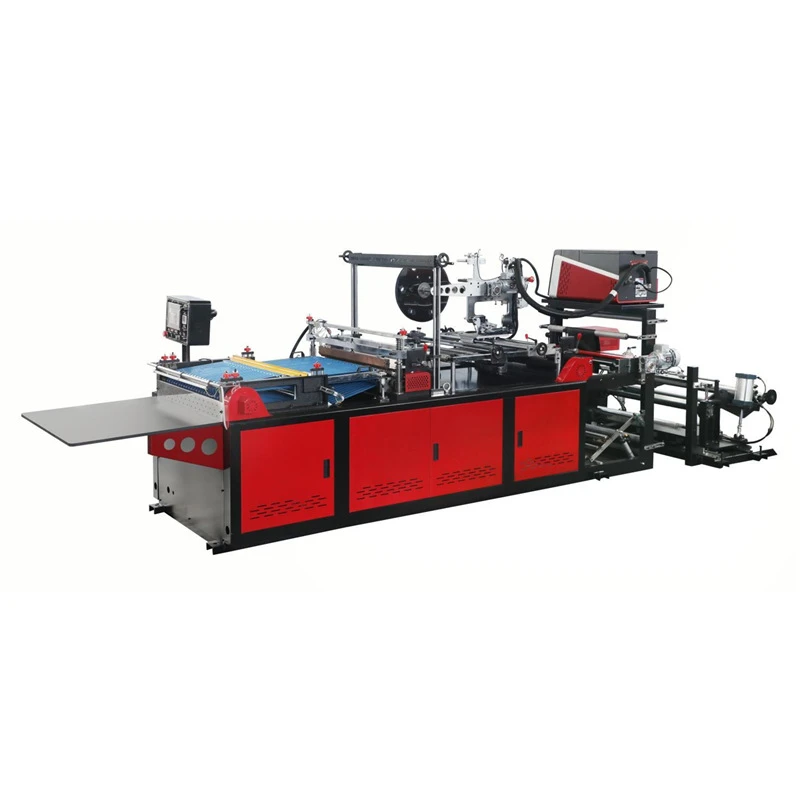
If you are interested in our courier bag making machines or need more detailed information about blade maintenance, feel free to contact us. We are always ready to assist you in making the right choice for your business needs and providing the best solutions for your production.
Courier Bag Making Machine References
- "Industrial Blade Maintenance Handbook"
- "Plastic Processing Machinery Operation and Maintenance Guide"
- Technical manuals of various courier bag making machines.
Zhejiang Ruitai Packaging Machinery Co., Ltd.
Zhejiang Ruitai Packaging Machinery Co., Ltd. is one of the most professional courier bag making machine manufacturers and suppliers in China, featured by quality products and good service. Please rest assured to wholesale advanced courier bag making machine from our factory. Customized orders are welcome.
Address: D6 Building, No.66 Tingchao Road, Shangwang Town, Ruian, Zhejiang, China.
E-mail: ruiandavid2020@gmail.com
WebSite: https://www.rtbagmachine.com/
