As a seasoned supplier of stainless steel motors, I often interact with customers who are eager to understand how to maintain these high – performance components properly. Stainless steel motors are prized for their durability, corrosion resistance, and reliability, making them a staple in various industries. In this blog, I’ll share my insights on how to maintain a stainless steel motor to ensure its long – term functionality and efficiency. Stainless Steel Motor

Understanding the Basics of Stainless Steel Motors
Before diving into maintenance, it’s essential to understand what makes stainless steel motors unique. Stainless steel is an alloy composed mainly of iron, chromium, and sometimes nickel and other elements. The chromium in stainless steel forms a thin, invisible layer of chromium oxide on the surface, which provides protection against corrosion. This is particularly important for motors used in harsh environments, such as food processing plants, marine applications, and chemical industries.
The design of a stainless steel motor is generally more robust compared to motors made from other materials. They are often sealed to prevent the ingress of dust, water, and other contaminants. However, this does not mean that they are maintenance – free. Regular maintenance is still crucial to keep them running smoothly.
Regular Inspection
One of the most fundamental aspects of maintaining a stainless steel motor is regular inspection. This should be done at least once a month, depending on the usage frequency and operating environment.
External Inspection: Start by visually inspecting the motor’s exterior. Look for any signs of corrosion, scratches, or dents on the stainless steel casing. Even minor scratches can compromise the protective chromium oxide layer and lead to corrosion over time. If you notice any scratches, it’s advisable to use a mild abrasive to polish the area and restore the protective layer.
Check the mounting bolts and connections to ensure they are tight. Loose bolts can cause vibrations, which can damage the motor’s internal components and reduce its efficiency. Also, inspect the cable connections for any signs of wear, fraying, or loose terminals.
Internal Inspection: At least once a year, or more frequently if the motor is operating in a dirty or humid environment, you should perform an internal inspection. This involves disassembling the motor (if possible) and visually inspecting the internal components, such as the windings, bearings, and commutator (in the case of DC motors).
The windings should be checked for any signs of overheating, such as discoloration or melting. Overheating can be caused by various factors, including overloading, poor ventilation, or a faulty power supply. Bearings should be inspected for wear and tear. Worn bearings can cause excessive noise, vibration, and even motor failure.
Cleaning
Cleaning is another critical aspect of stainless steel motor maintenance. Regular cleaning not only keeps the motor looking good but also helps prevent the build – up of dirt, dust, and other contaminants that can affect its performance.
External Cleaning: Use a soft, clean cloth and a mild detergent to clean the exterior of the motor. Avoid using abrasive cleaners or steel wool, as these can scratch the stainless steel surface. After cleaning, rinse the motor thoroughly with clean water and dry it with a soft cloth.
If the motor is exposed to harsh chemicals or corrosive substances, it may require more frequent cleaning. In such cases, use a specialized stainless steel cleaner that is designed to remove stubborn stains and contaminants without damaging the protective layer.
Internal Cleaning: When performing an internal inspection, you can also clean the internal components. Use compressed air to blow out any dust or debris from the windings and other hard – to – reach areas. Be careful not to use too much pressure, as this can damage the delicate components.
Lubrication
Proper lubrication is essential for the smooth operation of a stainless steel motor. The bearings in the motor need to be lubricated regularly to reduce friction and prevent wear.
Selecting the Right Lubricant: Choose a lubricant that is compatible with the motor’s operating conditions and the materials used in the bearings. For most stainless steel motors, a high – quality synthetic lubricant is recommended. Synthetic lubricants offer better performance at high and low temperatures, better resistance to oxidation and corrosion, and longer service life compared to traditional mineral – based lubricants.
Lubrication Frequency: The frequency of lubrication depends on factors such as the motor’s speed, load, and operating environment. In general, for motors operating under normal conditions, lubrication should be done every six to twelve months. However, if the motor is operating in a dirty or high – temperature environment, more frequent lubrication may be required.
Temperature and Ventilation Management
Stainless steel motors generate heat during operation, and proper temperature management is crucial to prevent overheating and premature failure.
Ventilation: Ensure that the motor has adequate ventilation. Blocked ventilation openings can cause heat to build up inside the motor, leading to overheating. Regularly check the ventilation openings and clean them if necessary. If the motor is installed in an enclosed space, consider installing additional ventilation fans or cooling systems to maintain a suitable operating temperature.
Temperature Monitoring: Use a temperature sensor to monitor the motor’s temperature. Most modern stainless steel motors are equipped with built – in temperature sensors that can provide real – time temperature readings. If the temperature exceeds the recommended operating range, take immediate action to identify and address the cause, such as reducing the load or improving ventilation.
Electrical Maintenance
The electrical components of a stainless steel motor are also critical for its proper operation. Regular electrical maintenance can help prevent electrical faults and ensure the motor runs efficiently.
Insulation Resistance Testing: Periodically test the insulation resistance of the motor’s windings. Low insulation resistance can indicate a problem with the winding insulation, such as moisture ingress or damage. If the insulation resistance is below the recommended value, further investigation is required to identify and fix the issue.
Power Supply Checking: Check the power supply to the motor regularly to ensure it is within the specified voltage and frequency range. Voltage fluctuations or incorrect frequency can cause the motor to operate inefficiently or even damage its components.
Training and Operator Awareness
Finally, it’s important to ensure that the operators of the stainless steel motors are properly trained. They should be aware of the basic maintenance requirements and how to recognize the signs of potential problems.
Training programs can cover topics such as inspection procedures, cleaning methods, lubrication techniques, and safety precautions. By empowering operators with the right knowledge, you can reduce the likelihood of motor failures and ensure the long – term reliability of your equipment.
Conclusion
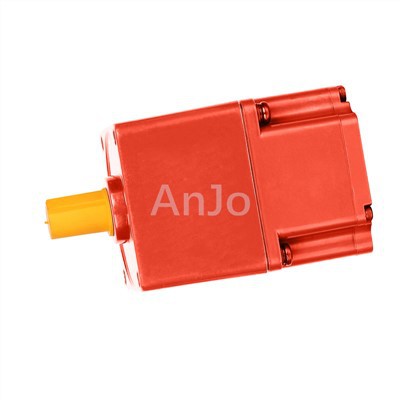
Maintaining a stainless steel motor is not overly complicated, but it does require a systematic approach and regular attention. By following the steps outlined in this blog, you can extend the lifespan of your stainless steel motor, improve its performance, and reduce the risk of costly breakdowns.
DC Brush Square Gear Motor If you are in the market for high – quality stainless steel motors or need further advice on motor maintenance, I encourage you to reach out to us. We are committed to providing our customers with the best products and support. Our team of experts is always ready to assist you in making the right choice for your specific needs. Contact us today to start a conversation about your motor requirements and how we can help you achieve optimal performance and reliability.
References
- ASM Handbook Volume 13A: Corrosion: Fundamentals, Testing, and Protection
- Electrical Engineering Handbook by Richard C. Dorf
Hangzhou ANG Drive Co., Ltd.
We’re well-known as one of the leading stainless steel motor manufacturers and suppliers in China, also support custom service. Please feel free to wholesale high quality stainless steel motor made in China here from our factory. Contact us for more details.
Address: No.185, Jincheng Rd., Hangzhou 311202, China
E-mail: export6@angdrive.com
WebSite: https://www.angdrive.com/
