Hey there! I’m a supplier of multilayer labels, and today I wanna chat about how these nifty labels support data collection and analysis. Multilayer Labels
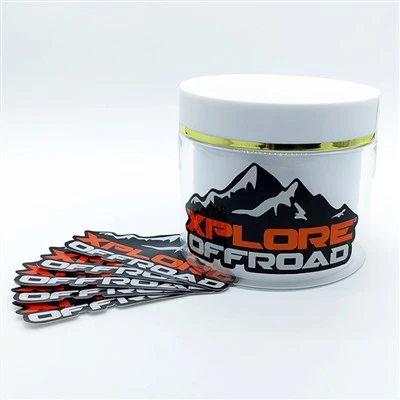
Let’s start with what multilayer labels are. They’re basically labels made up of multiple layers. Each layer can serve a different purpose, like having a top layer for branding and basic info, and then underneath layers for more detailed data. It’s like a little data sandwich!
Data Collection with Multilayer Labels
Product Identification and Tracking
One of the most common ways multilayer labels support data collection is through product identification. When a product leaves the factory, it’s tagged with a multilayer label. The top layer might have the product name, brand logo, and a simple barcode. This barcode can be scanned at various points in the supply chain, from the warehouse to the retail store. Every time it’s scanned, data about the product’s location and movement is collected.
For example, let’s say a shipment of smartphones is being sent from a manufacturing plant to a distributor. Each phone has a multilayer label. As the phones are loaded onto trucks at the plant, the barcodes are scanned. This records the time of departure and the quantity of phones in the shipment. When the trucks arrive at the distributor’s warehouse, the barcodes are scanned again. This tells the distributor exactly when the shipment arrived and if any phones are missing.
This data collection is crucial for inventory management. Retailers can use the data to know when to reorder products, and manufacturers can track the performance of their supply chain. If a particular route is consistently causing delays, they can look into it and make improvements.
Customer Interaction Data
Multilayer labels can also be used to collect data from customers. Some labels have a peel – off layer with a short survey or a code to access an online questionnaire. When customers take the time to fill out these surveys, companies can gather valuable data about their preferences, usage habits, and satisfaction levels.
For instance, a food company might put a peel – off label on their snack packages. The label could ask customers about their favorite flavors, how often they buy the product, and if they would recommend it to others. This data helps the company understand its target market better. They can then use this information to develop new products, improve existing ones, or adjust their marketing strategies.
Environmental and Usage Data
In some cases, multilayer labels can be equipped with sensors to collect environmental or usage data. For example, in the pharmaceutical industry, labels can have temperature sensors. These sensors record the temperature the medicine is exposed to during transportation and storage. If the temperature goes outside the recommended range, it can affect the effectiveness of the medicine.
The data collected by these sensors can be used to ensure product quality. If a batch of medicine has been exposed to improper temperatures, the company can take steps to prevent it from reaching the market. This not only protects the consumers but also saves the company from potential legal issues.
Data Analysis with Multilayer Labels
Supply Chain Optimization
Once the data is collected from the multilayer labels, it’s time for analysis. In the supply chain context, the data can be used to optimize routes, reduce costs, and improve delivery times. By analyzing the movement data of products, companies can identify bottlenecks in the supply chain.
For example, if a particular distribution center is consistently causing delays, the company can look into the reasons. Maybe it’s understaffed, or the layout is inefficient. Once the problem is identified, solutions can be implemented. This could involve hiring more workers, reorganizing the warehouse, or changing the delivery schedules.
Product Improvement
The data collected from customer surveys on multilayer labels can also be analyzed to improve products. Companies can use statistical analysis to identify trends in customer preferences. For example, if a large number of customers say they prefer a certain flavor of a snack, the company can increase the production of that flavor or develop new products based on it.
They can also analyze customer satisfaction data. If customers are consistently complaining about a particular aspect of a product, like the packaging being difficult to open, the company can work on improving it. This not only leads to happier customers but also increases brand loyalty.
Quality Control
The environmental and usage data collected by sensors on multilayer labels is essential for quality control. By analyzing this data, companies can ensure that their products are meeting the required standards. For example, in the electronics industry, labels can have sensors to monitor the humidity and vibration levels during transportation. If the data shows that a product has been exposed to high levels of vibration, it can be inspected more closely to check for any damage.
Real – World Examples
The Beverage Industry
In the beverage industry, multilayer labels are widely used for data collection and analysis. Bottles of soda or beer often have labels with barcodes. These barcodes are scanned at every step of the supply chain, from the bottling plant to the retail store. The data collected helps the manufacturers manage their inventory, track the popularity of different products, and optimize their distribution networks.
Some beverage companies also use peel – off labels with surveys. They ask customers about their drinking habits, favorite brands, and what they think of the packaging. This data is analyzed to develop new flavors, improve the packaging design, and target their marketing campaigns more effectively.
The Automotive Industry
In the automotive industry, multilayer labels play a crucial role in quality control. Each car part has a label with a unique identifier. This identifier allows manufacturers to track the part from the production line to the assembly of the car. If a defect is found in a particular part, the manufacturer can quickly trace back where it came from and which cars it was used in.
The labels can also have sensors to monitor the performance of the parts during use. For example, sensors on engine components can collect data on temperature, pressure, and vibration. This data is analyzed to detect any potential problems early on and schedule maintenance before a major breakdown occurs.
Why You Should Choose Our Multilayer Labels
If you’re in need of a reliable way to collect and analyze data for your business, our multilayer labels are the answer. We offer high – quality labels that are customizable to meet your specific needs. Whether you need labels for product identification, customer surveys, or sensor – based data collection, we’ve got you covered.
Our labels are designed to be durable and easy to use. They can withstand harsh environmental conditions, ensuring that the data they carry is protected throughout the supply chain. And with our state – of – the – art printing technology, the labels are clear and easy to scan.
We also provide excellent customer support. Our team of experts is always ready to help you with any questions or concerns you might have about our labels. We can assist you in choosing the right type of label for your application and provide guidance on how to use them effectively.
Pet Labels If you’re interested in learning more about our multilayer labels and how they can support your data collection and analysis needs, we’d love to hear from you. Just reach out to us, and we’ll start a conversation about how we can help your business grow.
References
- Anderson, D. M. (2015). Data – Driven Supply Chain Management: How Analytics Improve Performance. Wiley.
- Kotler, P., & Armstrong, G. (2018). Principles of Marketing. Pearson.
- Wilson, R. M. S., & Collier, D. A. (2016). Service Quality: Theory and Practice in Service Industries. Routledge.
SpeedPrint Era (Xiamen) Digital Co., Ltd.
SpeedPrint Era (Xiamen) Digital Co., Ltd. is one of the most professional multilayer labels manufacturers and suppliers in China, featured by quality products and low price. Please rest assured to wholesale advanced multilayer labels made in China here and get quotation from our factory. We also accept customized orders.
Address: Floor 1, No. 27, Xianghong Road, Xiang’an District, 361101, Xiamen, Fujian, China
E-mail: hxmacka@gmail.com
WebSite: https://www.lumolabels.com/
