Hey there! I’m a guy running a cable supplier business, and I know how important flexibility is when it comes to cables. In this post, I’m gonna share some tips on how to improve the flexibility of a cable. Cable
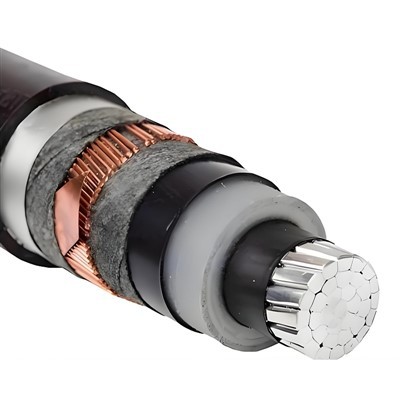
First off, let’s talk about why cable flexibility matters. Flexible cables are a whole lot easier to install. You can bend ’em around corners, tuck ’em into tight spaces, and generally work with ’em without too much hassle. And in applications where the cable needs to move around, like in robotics or some industrial equipment, flexibility is an absolute must. Otherwise, the cable might break or fail over time.
One of the key factors in cable flexibility is the conductor material. Copper is a widely used conductor, and it’s got some decent flexibility. But if you want even better results, you might consider using annealed copper. Annealed copper has been heat – treated, which softens the metal and makes it bendy. It’s like making a metal more like a piece of putty that you can mold around. It’s more malleable compared to regular copper, so it can handle more bending without breaking. Some high – end cables use extra – flexible copper strands, which are really thin. The thinner the strands, the easier it is for the cable to flex. You can think of it like a bundle of spaghetti. A single thick strand of spaghetti is tough to bend without breaking, but a bunch of thin ones can be twisted and bent all over the place.
The insulation material also plays a huge role. Some insulation materials are just too stiff. PVC (polyvinyl chloride) is a common insulation material, but standard PVC can be a bit rigid. There are, however, flexible PVC options out there. These are formulated to be more pliable. They have additives that make the plastic softer and less brittle. Another great option is TPU (thermoplastic polyurethane). TPU is known for its excellent flexibility and durability. It can withstand a lot of bending and stretching without cracking or losing its shape. It’s like a rubber – like material that can bounce back after being bent.
When it comes to the cable’s construction, the way the conductors and insulation are put together is crucial. A loose – tube design can improve flexibility. In a loose – tube cable, the conductors are placed inside a tube with some extra space. This allows the conductors to move around a bit when the cable is bent, reducing stress on the wires. It’s like giving the conductors a little room to breathe and adjust. Another construction technique is stranding the conductors. Instead of having one big solid conductor, you have multiple small wires twisted together. This stranded design makes the cable more flexible because the individual wires can move relative to each other when the cable bends.
Now, let’s talk about the outer jacket. The outer jacket is the first line of defense for the cable, and it can also affect flexibility. Just like with insulation, you want a jacket material that’s flexible. Neoprene is a popular choice. It’s soft and stretchy, and it can protect the cable from things like abrasion and moisture. It’s kind of like a tough but flexible skin for the cable. Another option is silicone. Silicone jackets are very flexible and can handle high temperatures. They’re great for applications where the cable might be exposed to heat while still needing to be flexible.
Environmental factors can also impact cable flexibility. Cold temperatures can make cables stiffer. If you’re using cables in a cold environment, you need to choose materials that can withstand the cold without losing their flexibility. Some cables are designed with cold – resistant insulation and jackets. These materials can stay flexible even in freezing conditions. On the other hand, if the cable is in a hot environment, you need to make sure the materials won’t melt or become too soft. High – temperature – resistant materials are the way to go in these situations.
Testing is super important. You can’t just assume that a cable is flexible enough. You need to test it. One common test is the bend test. You bend the cable back and forth a certain number of times and see if it breaks or if the electrical performance is affected. Another test is the torsion test, where you twist the cable. By doing these tests, you can figure out if the cable meets your flexibility requirements. And based on the test results, you can make adjustments to the cable’s design, like changing the conductor material or the insulation thickness.
In addition to the technical aspects, proper handling and storage also play a part in maintaining cable flexibility. When you’re storing cables, don’t coil them too tightly. Tight coiling can cause the cable to lose its flexibility over time. It’s better to store them in a loose, circular shape. And when you’re installing the cable, be careful not to kink it. A kink can damage the internal structure of the cable and reduce its flexibility.
So, if you’re in the market for flexible cables, or if you’re looking to improve the flexibility of the cables you’re currently using, these are some things to keep in mind. As a cable supplier, I’ve seen firsthand how important flexibility can be in different applications. Whether it’s for a small DIY project at home or a large – scale industrial installation, having flexible cables can save you a lot of time and headaches.
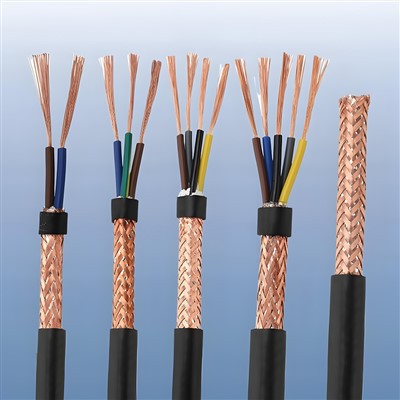
If you’re interested in learning more about our cables or want to discuss your specific requirements, don’t hesitate to reach out. We’re always ready to have a chat about how we can provide you with the best – fitting, most flexible cables for your needs. Let’s talk and see how we can work together to make your projects a success!
Cable References:
- Electrical Wiring Handbook
- Cable Engineering and Installation Manual
Hebei Liangyu Cable Co., Ltd.
We’re well-known as one of the leading cable manufacturers and suppliers in China, specialized in providing high quality customized service. We warmly welcome you to buy durable cable made in China here and get pricelist from our factory. For price consultation, contact us.
Address: Yanbai Industrial Zone, Jiajiakou Town, Ningjin County, Xingtai City, Hebei Province
E-mail: 18932990441@163.com
WebSite: https://www.liangyucable.com/
