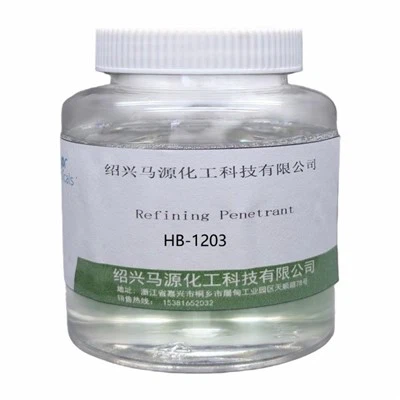
Hey everyone! I’m a supplier of finishing agents, and I’ve seen my fair share of problems that customers run into when using these products. In this blog post, I’m gonna share some tips on how to troubleshoot those issues. Finishing Agent
1. Uneven Application
One of the most common problems is uneven application of finishing agents. You might notice that some areas of your material look different from others. Maybe there are streaks, blotches, or some parts seem to have more or less of the finishing agent than they should.
Possible causes:
- Improper mixing: If you don’t mix the finishing agent well, the different components might not be evenly distributed. For example, some additives could settle at the bottom of the container, and if you don’t stir it up properly, you’ll end up with inconsistent application.
- Incorrect application method: Using the wrong tool or technique can also lead to unevenness. For instance, if you’re using a brush that’s too hard or too soft for the job, it might not spread the agent evenly.
Solutions:
- Mix thoroughly: Before you start applying the finishing agent, make sure you mix it really well. Use a stirrer or a mixer if necessary. Keep stirring for a few minutes to ensure that all the components are evenly combined.
- Choose the right application tool: Depending on the type of material and the finishing agent, select the appropriate applicator. A soft brush might work well for some fabrics, while a spray gun could be better for larger surfaces like wood panels.
2. Poor Adhesion
Another headache is when the finishing agent doesn’t stick well to the material. You might find that it starts to peel off, flake, or just doesn’t seem to bond properly.
Possible causes:
- Surface contamination: If the material’s surface has dirt, oil, or dust on it, the finishing agent won’t adhere properly. For example, if you’re applying a finishing agent to a metal surface that hasn’t been cleaned properly, the agent might not stick.
- Incompatible materials: Sometimes, the finishing agent and the material it’s being applied to just don’t get along. Different materials have different chemical properties, and if they’re not compatible, the adhesion will be poor.
Solutions:
- Clean the surface: Before applying the finishing agent, clean the material thoroughly. Use a suitable cleaner for the type of material. For example, for a plastic surface, you might use a mild detergent and water. Make sure to dry the surface completely before applying the agent.
- Test compatibility: If you’re not sure if the finishing agent is compatible with the material, do a small test on a hidden area first. Wait for a while to see if there are any signs of poor adhesion, like peeling or cracking.
3. Drying or Curing Issues
Drying or curing problems can be really frustrating. Maybe the finishing agent takes too long to dry, or it doesn’t cure properly, leaving a sticky or soft surface.
Possible causes:
- Wrong environmental conditions: Temperature and humidity play a big role in the drying and curing process. If it’s too cold or too humid, the agent might not dry or cure as quickly as it should.
- Incorrect product ratio: If you add too much or too little of certain components in the finishing agent, it can affect the drying and curing time.
Solutions:
- Control the environment: Try to apply the finishing agent in an environment with the right temperature and humidity. Check the product instructions for the recommended conditions. If it’s too cold, you might use a heater to warm up the area. If it’s too humid, use a de – humidifier.
- Follow the product ratio: Make sure you follow the instructions exactly when mixing the components of the finishing agent. Use the right measuring tools to get the proportions correct.
4. Color Inconsistencies
Color is a big deal when it comes to finishing agents, and color inconsistencies can be a major problem. The color might not match what you expected, or there could be differences in color across the applied surface.
Possible causes:
- Product variation: There can be slight differences in color between batches of the same finishing agent. This is more common with natural or pigment – based agents.
- Application thickness: If you apply the finishing agent too thickly in some areas and too thinly in others, it can cause color differences.
Solutions:
- Check the batch: When you’re ordering finishing agents, try to get them from the same batch if possible. If you have to use different batches, do a test on a small area first to make sure the colors match.
- Apply evenly: Use a consistent application method to ensure that the thickness of the finishing agent is the same across the entire surface. This will help to avoid color variations.
5. Foaming or Bubbling
Foaming or bubbling can occur during the application of finishing agents, which can leave an uneven and unappealing finish.
Possible causes:
- Agitation during mixing: If you mix the finishing agent too vigorously, it can introduce air bubbles into the mixture.
- Surface porosity: Some materials are more porous than others, and air can get trapped in the pores during application, causing bubbles to form.
Solutions:
- Mix gently: When you’re mixing the finishing agent, try to do it gently to avoid introducing too much air. You can also let the mixture sit for a few minutes after mixing to allow the air bubbles to rise to the surface and disappear.
- Prime the surface: For porous materials, use a primer before applying the finishing agent. The primer will fill in the pores and reduce the chances of air being trapped.
6. Chemical Reactions
In some cases, you might notice some unexpected chemical reactions when using finishing agents. This could include things like discoloration, a strange smell, or even corrosion.
Possible causes:
- Contact with other chemicals: If the finishing agent comes into contact with other chemicals on the material’s surface or in the environment, it can cause a reaction. For example, if you apply a finishing agent to a surface that has been treated with a incompatible chemical cleaner.
- Incorrect storage: Storing the finishing agent in the wrong conditions, like high temperature or in contact with certain substances, can also lead to chemical degradation.
Solutions:
- Avoid contact with other chemicals: Make sure the material’s surface is free of other chemicals before applying the finishing agent. Also, be careful about the environment where you’re working.
- Store properly: Follow the storage instructions on the product label. Keep the finishing agent in a cool, dry place away from direct sunlight and incompatible substances.
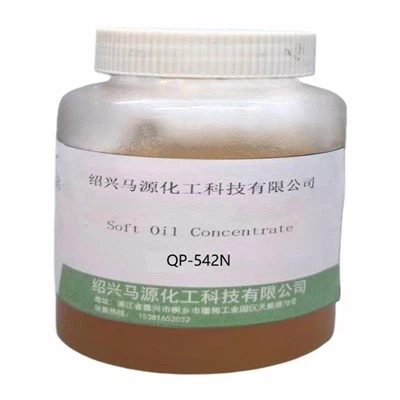
If you’re still having trouble with any of these issues or other problems when using finishing agents, don’t hesitate to reach out. I’m here to help you find the best solutions for your needs. Whether you’re looking for a different type of finishing agent or need more in – depth troubleshooting advice, I’ve got the knowledge and experience to assist you. We can work together to ensure that your projects turn out just the way you want them to. So, if you’re interested in purchasing our finishing agents or want to discuss potential solutions for your specific problems, just come and talk to me!
Functional Additives References:
- Industry knowledge and experience in supplying finishing agents
- Product manuals and technical data sheets of various finishing agents
Shaoxing Mayor Chemical & Technology Co., Ltd.
We are one of the most reliable finishing agent manufacturers and suppliers in China, specialized in providing high quality products with low price. We warmly welcome you to buy discount finishing agent for sale here from our factory. For pricelist, contact us now.
Address: No. 78, Tianshun Road, Tudian Industrial Park, Tongxiang City, Jiaxing City, Zhejiang Province, China
E-mail: 627249875@qq.com
WebSite: https://www.mayorchemicals.com/
