As a trusted carbon steel bar supplier, I often encounter inquiries regarding the impact resistance of our products. Impact resistance is a crucial mechanical property that determines a material’s ability to withstand sudden and high-force loads without fracturing or undergoing excessive deformation. In the following blog, I will delve into the concept of impact resistance of carbon steel bars, exploring its significance, influencing factors, and how we ensure our carbon steel bars excel in this regard. Carbon Steel Bar

Understanding Impact Resistance
Impact resistance refers to the capacity of a material to absorb energy during an impact event and resist fracture. When a carbon steel bar is subjected to an impact, such as a sudden blow or collision, the energy from the impact is absorbed by the material. This energy absorption process involves several mechanisms, including plastic deformation and, in extreme cases, crack initiation and propagation. A material with high impact resistance can effectively dissipate this energy, preventing catastrophic failure.
The importance of impact resistance cannot be overstated, especially in applications where the carbon steel bars are likely to experience sudden impacts. For instance, in the construction industry, carbon steel bars are widely used in building structures, bridges, and offshore platforms. These structures may be exposed to dynamic loads, such as wind gusts, seismic activity, or accidental collisions. In such scenarios, the ability of the carbon steel bars to withstand these impacts is essential for ensuring the safety and durability of the entire structure.
Factors Influencing the Impact Resistance of Carbon Steel Bars
Chemical Composition
The chemical composition of carbon steel plays a significant role in determining its impact resistance. Carbon is one of the most important elements in carbon steel, and its content affects the strength and hardness of the material. Generally, as the carbon content increases, the strength and hardness of the steel increase, but the ductility and impact resistance tend to decrease. Therefore, achieving a balance between carbon content and other alloying elements is crucial for optimizing impact resistance.
Alloying elements such as manganese, silicon, and nickel can also enhance the impact resistance of carbon steel. Manganese, for example, can improve the hardenability of the steel and reduce the formation of brittle microstructures. Silicon acts as a deoxidizer and can strengthen the steel matrix. Nickel, on the other hand, can increase the toughness and ductility of the steel, especially at low temperatures.
Microstructure
The microstructure of carbon steel has a profound influence on its impact resistance. The most common microstructures in carbon steel include ferrite, pearlite, bainite, and martensite. Ferrite is a soft and ductile phase, while pearlite is a lamellar structure composed of ferrite and cementite, providing a good balance between strength and ductility. Bainite and martensite, on the other hand, are harder and stronger but tend to be more brittle.
Controlling the microstructure during the manufacturing process is essential for optimizing impact resistance. For example, by carefully controlling the cooling rate during heat treatment, we can obtain a fine-grained microstructure, which is generally associated with better impact resistance. Fine grains can impede the propagation of cracks, allowing the material to absorb more energy before failure.
Temperature
Temperature has a significant effect on the impact resistance of carbon steel. As the temperature decreases, the ductility of the steel generally decreases, and the material becomes more brittle. This phenomenon is known as the ductile-to-brittle transition. At low temperatures, the impact resistance of carbon steel can drop significantly, increasing the risk of brittle fracture.
To ensure the reliability of carbon steel bars in low-temperature environments, we can select appropriate steel grades with low ductile-to-brittle transition temperatures. Additionally, adding alloying elements such as nickel can improve the low-temperature toughness of the steel.
How We Ensure High Impact Resistance in Our Carbon Steel Bars
Strict Quality Control
At our company, we implement strict quality control measures throughout the entire production process. From the selection of raw materials to the final product inspection, we ensure that every step meets the highest standards. We carefully source our raw materials from reputable suppliers, and conduct comprehensive chemical and physical tests to ensure their quality.
During the manufacturing process, we use advanced production techniques and equipment to ensure the consistency and uniformity of the carbon steel bars. We closely monitor key parameters such as temperature, pressure, and cooling rate to control the microstructure and mechanical properties of the bars.
Customized Solutions
We understand that different applications have different requirements for impact resistance. Therefore, we offer customized solutions to meet the specific needs of our customers. Our technical team can work closely with customers to understand their application scenarios and provide professional advice on the selection of steel grades and manufacturing processes.
For example, if a customer needs carbon steel bars for use in a high-impact environment, we can recommend steel grades with high impact resistance and optimize the manufacturing process to ensure the bars meet the required performance standards.
Continuous Research and Development
We are committed to continuous research and development to improve the impact resistance of our carbon steel bars. Our R & D team is constantly exploring new materials, processes, and technologies to enhance the performance of our products. We collaborate with universities and research institutions to stay at the forefront of the industry and bring the latest innovations to our customers.
Applications of High-Impact Resistance Carbon Steel Bars
Construction Industry
In the construction industry, high-impact resistance carbon steel bars are widely used in building structures, bridges, and other infrastructure projects. These bars can effectively withstand the dynamic loads caused by wind, earthquakes, and traffic, ensuring the safety and durability of the structures.
Automotive Industry
In the automotive industry, carbon steel bars with high impact resistance are used in the manufacturing of various components, such as chassis, suspension systems, and steering components. These components need to withstand the impacts and vibrations generated during vehicle operation, and high-impact resistance carbon steel bars can provide the necessary strength and durability.
Machinery Manufacturing
In machinery manufacturing, high-impact resistance carbon steel bars are used in the production of heavy-duty machinery and equipment. These bars can withstand the high forces and impacts generated during the operation of the machinery, ensuring the reliable performance of the equipment.
Conclusion
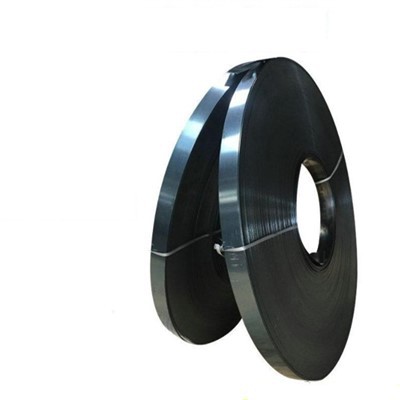
Impact resistance is a critical property of carbon steel bars, especially in applications where the bars are likely to experience sudden impacts. The chemical composition, microstructure, and temperature are the main factors influencing the impact resistance of carbon steel bars. As a carbon steel bar supplier, we take strict quality control measures, offer customized solutions, and invest in continuous research and development to ensure that our carbon steel bars have high impact resistance.
Stainless Steel Coil Our high-impact resistance carbon steel bars are widely used in the construction, automotive, and machinery manufacturing industries. If you are looking for reliable carbon steel bars with excellent impact resistance, we would be delighted to discuss your requirements. Please feel free to contact us for more information and to start a procurement negotiation.
References
- ASM Handbook Volume 1: Properties and Selection: Irons, Steels, and High-Performance Alloys
- Metals Handbook: Properties and Selection – Irons, Steels, and High-Performance Alloys
- Welding Metallurgy and Weldability of Carbon Steels by John C. Lippold and David K. Matlock
Shanxi Midas Industrial Co., Ltd.
We’re known as one of the most professional carbon steel bar manufacturers and suppliers in China. With abundant experience, we warmly welcome you to buy cheap carbon steel bar made in China here from our factory. For price consultation, contact us.
Address: 28th, Huanqiu Jinrong Zhongxin, Xieyuan Road, Changfeng Business District, Taiyuan City, Shanxi Province, China
E-mail: midassteel@163.com
WebSite: https://www.midassteel.com/
