Hey there! I’m a supplier of stage lifting slings, and I get this question a lot: "How do I select the right hardware to use with a stage lifting sling?" It’s a crucial question because using the wrong hardware can lead to all sorts of problems, from equipment damage to serious safety hazards. So, let me share some tips based on my experience in the industry. Stage Lifting Sling

Understanding Your Needs
First things first, you’ve gotta understand what you’re using the stage lifting sling for. Different events and setups have different requirements. For example, if you’re setting up a small local band’s gig in a community hall, your needs will be a lot different from those of a big arena concert.
Think about the weight of the equipment you’ll be lifting. This is super important. You need to know the exact weight of the lighting rig, sound system, or whatever else you’re hoisting up. Overestimating or underestimating the weight can be a disaster. If you use hardware that’s not strong enough, it could break, and that’s a major safety risk. On the other hand, using overly heavy – duty hardware when it’s not necessary is just a waste of money.
Another thing to consider is the type of movement. Are you just lifting the equipment straight up and down, or will there be lateral movement? If there’s lateral movement, you’ll need hardware that can handle the extra stress and forces.
Types of Hardware
There are several types of hardware that are commonly used with stage lifting slings. Let’s take a look at some of them.
Shackles
Shackles are like the workhorses of the lifting world. They’re used to connect the sling to the load or to other pieces of hardware. There are different types of shackles, such as screw – pin shackles and bolt – type shackles. Screw – pin shackles are quick and easy to use, but they’re not as secure as bolt – type shackles. Bolt – type shackles are better for applications where you need a more permanent and secure connection.
When choosing a shackle, make sure it has the right working load limit (WLL). The WLL is the maximum weight that the shackle can safely handle. You should always choose a shackle with a WLL that’s higher than the weight of the load you’re lifting.
Hooks
Hooks are another essential piece of hardware. They come in different shapes and sizes, and each type is designed for a specific purpose. For example, a grab hook is great for quickly attaching to a load, but it might not be the best choice if you need a more secure connection. A swivel hook can be useful if there’s a lot of movement involved, as it allows the load to rotate without twisting the sling.
Just like with shackles, hooks also have a WLL. Make sure you choose a hook that can handle the weight of your load. And always check the hook for any signs of damage, like cracks or bends, before using it.
Rings
Rings are often used to connect multiple slings or to provide a central point for attachment. They can be made of different materials, such as steel or alloy. When selecting a ring, consider its size and strength. A larger ring might be needed if you’re using multiple slings, and you’ll want to make sure it has a high enough WLL for your application.
Material Matters
The material of the hardware is also really important. Most hardware for stage lifting slings is made of steel or alloy. Steel is strong and durable, but it can be heavy. Alloy, on the other hand, is lighter and still very strong.
If you’re working in an environment where weight is a concern, like on a mobile stage or in a venue with limited load – bearing capacity, alloy hardware might be a better choice. However, if you need maximum strength and don’t mind the extra weight, steel is a reliable option.
Compatibility
It’s crucial to make sure that all the hardware you choose is compatible with your stage lifting sling. The sling and the hardware should be designed to work together. For example, the size of the shackle or hook should match the width of the sling. If the hardware is too small, it might not be able to hold the sling properly, and if it’s too large, it could cause the sling to slip or get damaged.
Also, consider the type of sling you’re using. Different slings, like chain slings, wire rope slings, or synthetic slings, have different requirements when it comes to hardware. Make sure you choose hardware that’s specifically designed for the type of sling you’re using.
Safety First
Safety should always be your top priority when selecting hardware for a stage lifting sling. Here are some safety tips to keep in mind:
- Inspect the hardware regularly: Before each use, check the hardware for any signs of wear, damage, or corrosion. If you find any issues, don’t use the hardware. Replace it with a new, undamaged piece.
- Follow the manufacturer’s instructions: Each piece of hardware comes with specific instructions on how to use it safely. Make sure you read and follow these instructions carefully.
- Get professional help if needed: If you’re not sure about which hardware to choose or how to use it, don’t hesitate to consult a professional. There are experts in the industry who can provide you with valuable advice and guidance.
Cost Considerations
Of course, cost is also a factor when selecting hardware. You don’t want to overspend, but you also don’t want to cut corners on safety. Look for a balance between quality and cost. Sometimes, it’s worth spending a little more on high – quality hardware that will last longer and provide better safety.
You can also look for deals and discounts. Many suppliers offer promotions or bulk discounts, so it’s a good idea to shop around and compare prices.
Conclusion
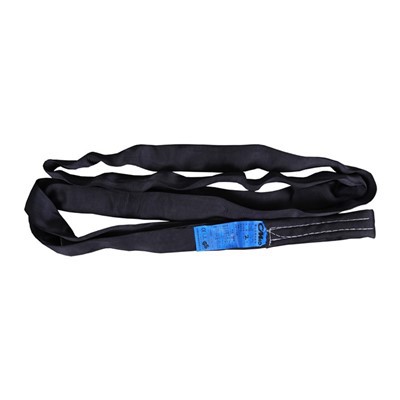
Selecting the right hardware to use with a stage lifting sling is a complex but important task. By understanding your needs, choosing the right types of hardware, considering the material, ensuring compatibility, prioritizing safety, and keeping cost in mind, you can make the best choice for your stage setup.
Stage Clamp If you’re in the market for stage lifting slings and the right hardware to go with them, I’m here to help. I’ve got a wide range of high – quality products that are designed to meet your specific needs. Whether you’re a small event organizer or a large production company, I can provide you with the solutions you need. So, if you have any questions or want to discuss your requirements, don’t hesitate to reach out. Let’s work together to make your stage setup safe and successful.
References
- "Rigging Handbook" by Crosby Group
- "Lifting and Rigging Safety Manual" by OSHA
Tianjin Kemei Machinery Manufacturing Co., Ltd.
As one of the leading stage lifting sling suppliers in China, we warmly welcome you to wholesale discount stage lifting sling made in China here from our factory. All customized products are with high quality and competitive price.
Address: Jinzhong Science and Technology Park, Dongli District, Tianjin City, China
E-mail: mandy@kemeihoist.com
WebSite: https://www.chinastagehoist.com/
