Maintaining nylon monofilament fishing nets is crucial for their longevity, performance, and overall effectiveness. As a supplier of high – quality nylon monofilament fishing nets, I’ve witnessed firsthand the impact of proper maintenance on the lifespan and functionality of these nets. In this blog, I’ll share some essential tips and best practices on how to maintain nylon monofilament fishing nets. Nylon Monofilament Fishing Net
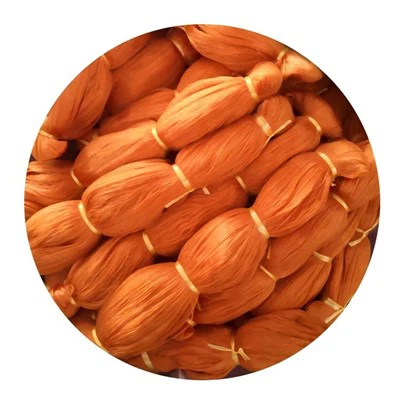
Understanding Nylon Monofilament Fishing Nets
Nylon monofilament is a popular material for fishing nets due to its strength, flexibility, and resistance to abrasion. It’s made from a single strand of nylon, which gives it a smooth surface and excellent knot – tying properties. However, like any other fishing gear, nylon monofilament nets are subject to wear and tear over time, especially when exposed to harsh environmental conditions such as saltwater, sunlight, and rough handling.
Pre – Use Inspection
Before each fishing trip, it’s essential to conduct a thorough inspection of your nylon monofilament fishing net. Start by checking for any visible signs of damage, such as cuts, holes, or frayed edges. Even small damages can compromise the integrity of the net and lead to fish escape or further damage during use.
Inspect the knots as well. Loose or damaged knots can weaken the net and cause it to break under stress. If you find any loose knots, re – tie them securely using a proper fishing knot. Additionally, check the floats and weights attached to the net. Make sure they are properly attached and in good condition.
Cleaning the Net
Cleaning your nylon monofilament fishing net after each use is one of the most important maintenance steps. Salt, dirt, and debris can accumulate on the net, which not only makes it heavier but also accelerates the deterioration of the nylon material.
To clean the net, first, rinse it thoroughly with fresh water as soon as possible after use. This will help remove most of the salt and dirt. For a more thorough cleaning, you can soak the net in a solution of mild detergent and water. Use a soft brush to gently scrub the net, paying special attention to areas with stubborn dirt or stains.
Avoid using harsh chemicals or abrasive cleaners, as they can damage the nylon. After cleaning, rinse the net again with fresh water to remove any soap residue. Then, hang the net to dry in a shaded area. Avoid direct sunlight, as prolonged exposure to UV rays can weaken the nylon and cause it to become brittle.
Storage
Proper storage is key to maintaining the quality of your nylon monofilament fishing net. When not in use, store the net in a cool, dry place. Avoid storing the net in damp or humid environments, as this can promote the growth of mold and mildew, which can damage the nylon.
You can store the net in a mesh bag or a plastic container to protect it from dust and pests. Make sure the net is completely dry before storing it to prevent mold growth. If possible, roll the net neatly to avoid tangles and kinks.
Repairing Minor Damage
Even with proper maintenance, your nylon monofilament fishing net may still sustain minor damage over time. It’s important to repair these damages as soon as possible to prevent them from getting worse.
For small cuts or holes, you can use a nylon repair kit. These kits typically include a patch and a special adhesive. Clean the area around the damage, apply the adhesive to the patch, and then carefully place the patch over the damaged area. Press firmly to ensure a good bond.
If the damage is more extensive, such as a large hole or a broken section of the net, you may need to replace the damaged part. This can be a more complex process, but with the right tools and some basic knowledge of net repair, it can be done.
Protecting the Net from UV Rays
UV rays from the sun can have a significant impact on the lifespan of nylon monofilament fishing nets. Over time, exposure to UV rays can cause the nylon to become brittle and lose its strength.
To protect your net from UV rays, you can use a UV – resistant spray. These sprays create a protective layer on the surface of the net, reducing the damage caused by UV rays. Apply the spray according to the manufacturer’s instructions, and re – apply it periodically, especially if the net is frequently exposed to sunlight.
Avoiding Abrasion
Abrasion is another common cause of damage to nylon monofilament fishing nets. When the net comes into contact with rough surfaces such as rocks, coral, or the hull of a boat, it can cause the nylon to wear down and eventually break.
To avoid abrasion, be careful when handling the net. Avoid dragging the net across rough surfaces. When setting the net, make sure it is not in contact with sharp objects. If possible, use a net – protector or a buffer between the net and any rough surfaces.
Regular Maintenance Schedule
Establishing a regular maintenance schedule is essential for keeping your nylon monofilament fishing net in top condition. Set aside time after each fishing trip to clean and inspect the net. Additionally, perform a more thorough inspection and maintenance at least once a season.
During the seasonal maintenance, check the entire net for any signs of wear and tear. Replace any damaged parts, re – tie loose knots, and clean the net more thoroughly. This will help ensure that your net is always in good condition and ready for the next fishing trip.
Importance of Quality Nets
As a supplier of nylon monofilament fishing nets, I understand the importance of providing high – quality products. High – quality nets are made from durable nylon materials and are designed to withstand the rigors of fishing. They are less likely to break or tear, and they require less maintenance over time.
When choosing a nylon monofilament fishing net, look for nets that are made from high – quality nylon, have strong knots, and are well – constructed. A good quality net will not only last longer but also perform better, increasing your chances of a successful fishing trip.
Conclusion

Maintaining nylon monofilament fishing nets is a combination of proper cleaning, storage, inspection, and repair. By following these tips and best practices, you can extend the lifespan of your net, improve its performance, and ensure that it remains in good condition for many fishing trips to come.
Life Saving If you’re in the market for high – quality nylon monofilament fishing nets, I invite you to reach out to us. We offer a wide range of nets suitable for different fishing needs. Whether you’re a professional fisherman or a recreational angler, we have the right net for you. Contact us to discuss your requirements and explore our product range. We’re committed to providing the best products and services to our customers.
References
- "Fishing Net Maintenance Guide" by Fishing Gear Magazine
- "Nylon Monofilament: Properties and Applications" by Textile Research Journal
- "Best Practices for Fishing Net Care" by National Fishing Association
Nantong Xuanfei Fishing Co., Ltd.
We’re well-known as one of the leading nylon monofilament fishing net manufacturers and suppliers in China. Please rest assured to wholesale high quality nylon monofilament fishing net for sale here from our factory. Contact us for more details.
Address: No.61-19 Jianghai West Road, Haian High-tech Zone, Jiangsu Province, China
E-mail: candicezhang@xuanfeitextile.com
WebSite: https://www.fishing-xfnet.com/
