Passenger lifts, also known as elevators, are a common sight in many buildings, from commercial complexes to residential towers. But can they be used in hospitals? As a supplier of passenger lifts, I’ve often been asked this question. In this blog, I’ll explore the feasibility, advantages, and considerations of using passenger lifts in hospitals. Passenger Lifts

Feasibility of Using Passenger Lifts in Hospitals
Hospitals are unique environments with specific requirements. At first glance, passenger lifts seem like a natural fit. They are designed to transport people efficiently between different floors, which is a crucial function in a multi – storey hospital. The basic mechanism of a passenger lift, with its ability to move up and down smoothly, can be adapted to meet the needs of a hospital setting.
Modern passenger lifts are equipped with advanced safety features such as emergency brakes, fire – resistant doors, and backup power systems. These features are essential in a hospital, where patient safety is of utmost importance. For example, in case of a power outage, the backup power system ensures that the lift can reach the nearest floor and open its doors, preventing patients and staff from being trapped inside.
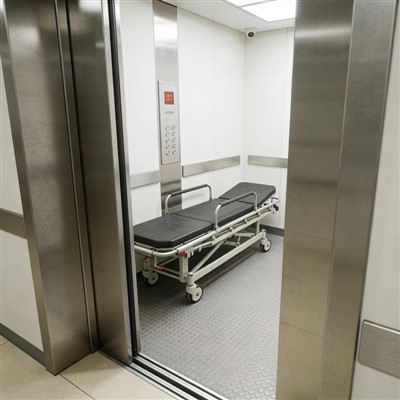
Moreover, passenger lifts can be customized to accommodate the special needs of hospitals. They can be designed with larger cabins to fit stretchers, wheelchairs, and medical equipment. The interior of the lift can be made easy to clean and disinfect, which is vital in a healthcare environment to prevent the spread of infections.
Advantages of Using Passenger Lifts in Hospitals
1. Improved Patient Mobility
One of the primary advantages of using passenger lifts in hospitals is the improved mobility of patients. For patients who are unable to use the stairs, such as those in wheelchairs or on stretchers, lifts provide a safe and convenient way to move between different departments. This not only enhances the patient experience but also reduces the physical strain on medical staff who would otherwise have to carry patients up and down the stairs.
2. Efficient Staff Movement
Hospitals are busy places, with medical staff constantly moving between floors to attend to patients, access medical records, or participate in meetings. Passenger lifts enable staff to move quickly and efficiently, saving time and increasing productivity. This is especially important in emergency situations, where every second counts.
3. Enhanced Accessibility
Passenger lifts make hospitals more accessible to all patients, including those with disabilities. They ensure that everyone, regardless of their physical condition, can access all areas of the hospital. This is in line with the principles of universal design, which aims to create environments that are inclusive and accessible to people of all abilities.
4. Space Utilization
In a hospital, space is often at a premium. Passenger lifts take up less space compared to staircases, allowing for more efficient use of the building’s floor area. This extra space can be used for patient rooms, treatment areas, or other essential facilities.
Considerations When Using Passenger Lifts in Hospitals
1. Infection Control
As mentioned earlier, hospitals are highly sensitive environments when it comes to infection control. Passenger lifts need to be designed and maintained in a way that minimizes the risk of spreading infections. This includes using materials that are easy to clean and disinfect, such as stainless steel, and implementing regular cleaning schedules. Additionally, proper ventilation systems should be installed in the lift cabins to ensure good air quality.
2. Traffic Management
Hospitals experience high traffic volumes, especially during peak hours. It’s important to design the lift system in a way that can handle the flow of patients, staff, and visitors. This may involve installing multiple lifts, using intelligent control systems to optimize lift operation, and providing clear signage to guide people to the appropriate lifts.
3. Noise and Vibration
Patients in hospitals need a quiet and peaceful environment for rest and recovery. Passenger lifts should be designed to operate with minimal noise and vibration. This can be achieved through the use of advanced engineering techniques and high – quality components.
4. Emergency Preparedness
Hospitals must be prepared for emergencies such as fires, earthquakes, or power outages. Passenger lifts should be equipped with emergency features such as emergency lighting, communication systems, and the ability to operate in emergency mode. Regular drills should also be conducted to ensure that staff and patients know how to use the lifts safely in an emergency.
Customization for Hospital Needs
As a passenger lift supplier, I understand the importance of customization in meeting the specific needs of hospitals. We offer a range of options to ensure that our lifts are tailored to the unique requirements of each hospital.
1. Cabin Size and Configuration
We can design lift cabins of various sizes to accommodate stretchers, wheelchairs, and medical equipment. The cabin layout can also be customized to provide easy access and maneuverability. For example, we can install wider doors and provide additional handrails for patients and staff.
2. Interior Finishes
The interior of the lift cabin can be finished with materials that are easy to clean and disinfect. We offer a variety of options, including stainless steel, vinyl, and antibacterial coatings. These materials not only help to prevent the spread of infections but also give the lift a clean and professional look.
3. Control Systems
Our lift control systems can be customized to meet the specific traffic management needs of hospitals. We can implement features such as destination control, which allows passengers to select their destination floor before entering the lift, reducing waiting times and improving efficiency.
4. Safety Features
In addition to the standard safety features, we can provide additional safety options for hospital lifts. These may include emergency evacuation systems, remote monitoring, and real – time fault detection.
Conclusion
In conclusion, passenger lifts can be effectively used in hospitals. They offer numerous advantages in terms of patient mobility, staff efficiency, accessibility, and space utilization. However, careful consideration must be given to infection control, traffic management, noise and vibration, and emergency preparedness. As a passenger lift supplier, we are committed to providing high – quality, customized solutions that meet the unique needs of hospitals.
Moving Walkway If you are a hospital administrator or involved in the planning of a new hospital or the renovation of an existing one, I encourage you to consider our passenger lift solutions. We have the expertise and experience to design and install lifts that will enhance the functionality and safety of your hospital. Contact us to discuss your specific requirements and start a procurement conversation.
References
- Building Codes and Standards for Healthcare Facilities, National Fire Protection Association
- Guidelines for Infection Control in Healthcare Settings, Centers for Disease Control and Prevention
- Universal Design Principles for Accessible Buildings, International Organization for Standardization
Weibo Elevator Co., Ltd.
We’re well-known as one of the leading passenger lifts manufacturers and suppliers in China, specialized in providing high quality custom service for global clients. We warmly welcome you to buy high-grade passenger lifts at competitive price from our factory.
Address: Dongxiang Road, Nanxun Economic Development District, Huzhou City, Zhejiang Province, China
E-mail: zoey@webstar.net.cn
WebSite: https://www.webstar-elevators.com/
